

Why You’ll Love This Bo Kho
- Ease of preparation: This Bo Kho recipe offers a straightforward cooking process that balances traditional flavors with user-friendly steps. Though the stew simmers for a rich depth of taste, the marination and hands-on prep are manageable even for less experienced cooks. Total active prep time is around 40 minutes, while slow simmering develops complexity without demanding constant attention.
- Health benefits: Packed with nutrient-rich beef, fresh herbs, and wholesome spices like garlic, ginger, and lemongrass, Bo Kho is not only delicious but nourishing. The protein from boneless beef chuck supports muscle health, while natural ingredients provide antioxidants and vitamins. For more on the nutritional value of beef, this stew is a satisfying way to fuel your body.
- Versatility: Bo Kho’s adaptable nature lets you tailor the stew to your dietary preferences. It pairs beautifully with rice noodles, egg noodles, crusty French bread, or steamed rice. It easily accommodates substitutions for vegan or gluten-free diets, making it perfect for diverse tables or special dietary needs.
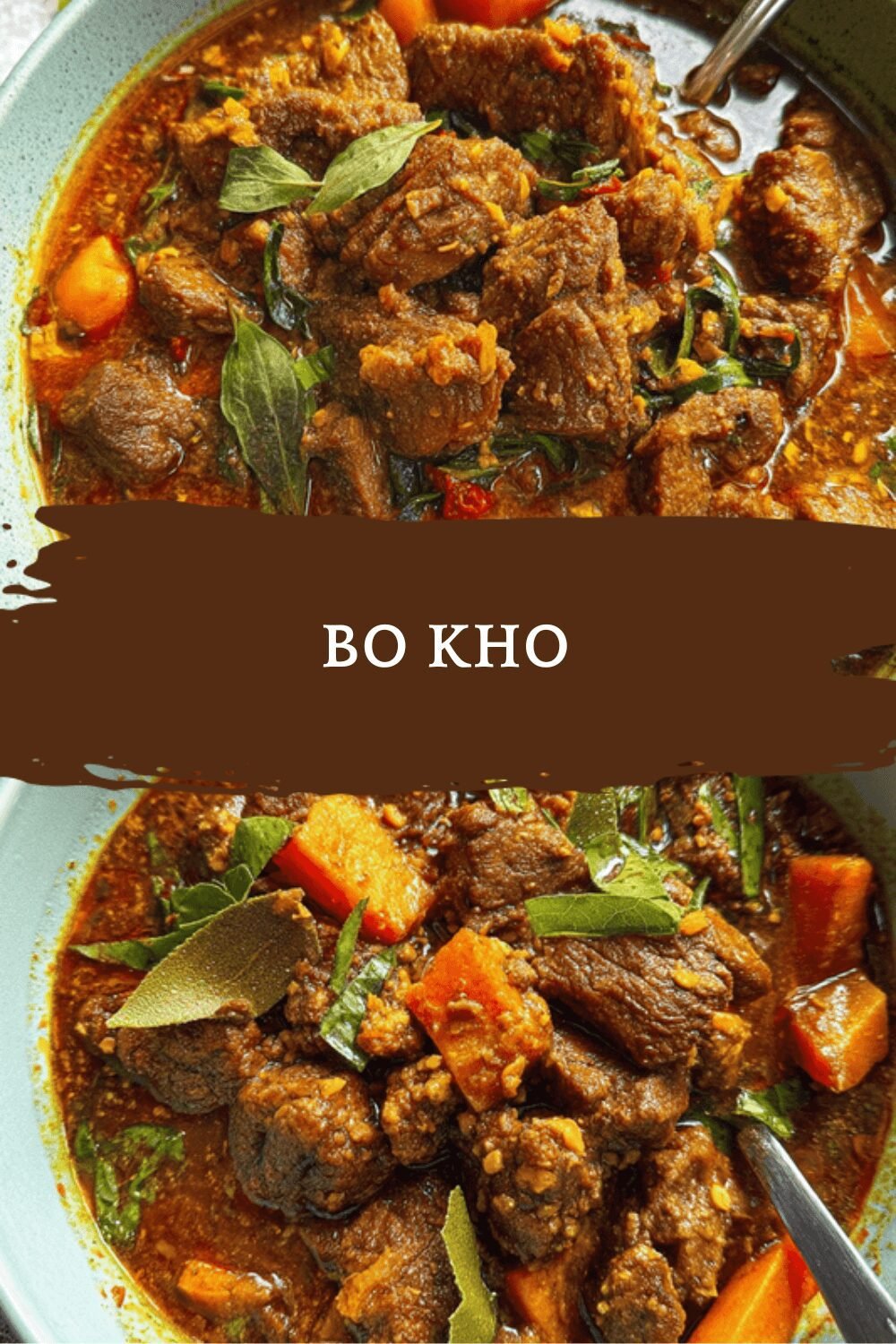
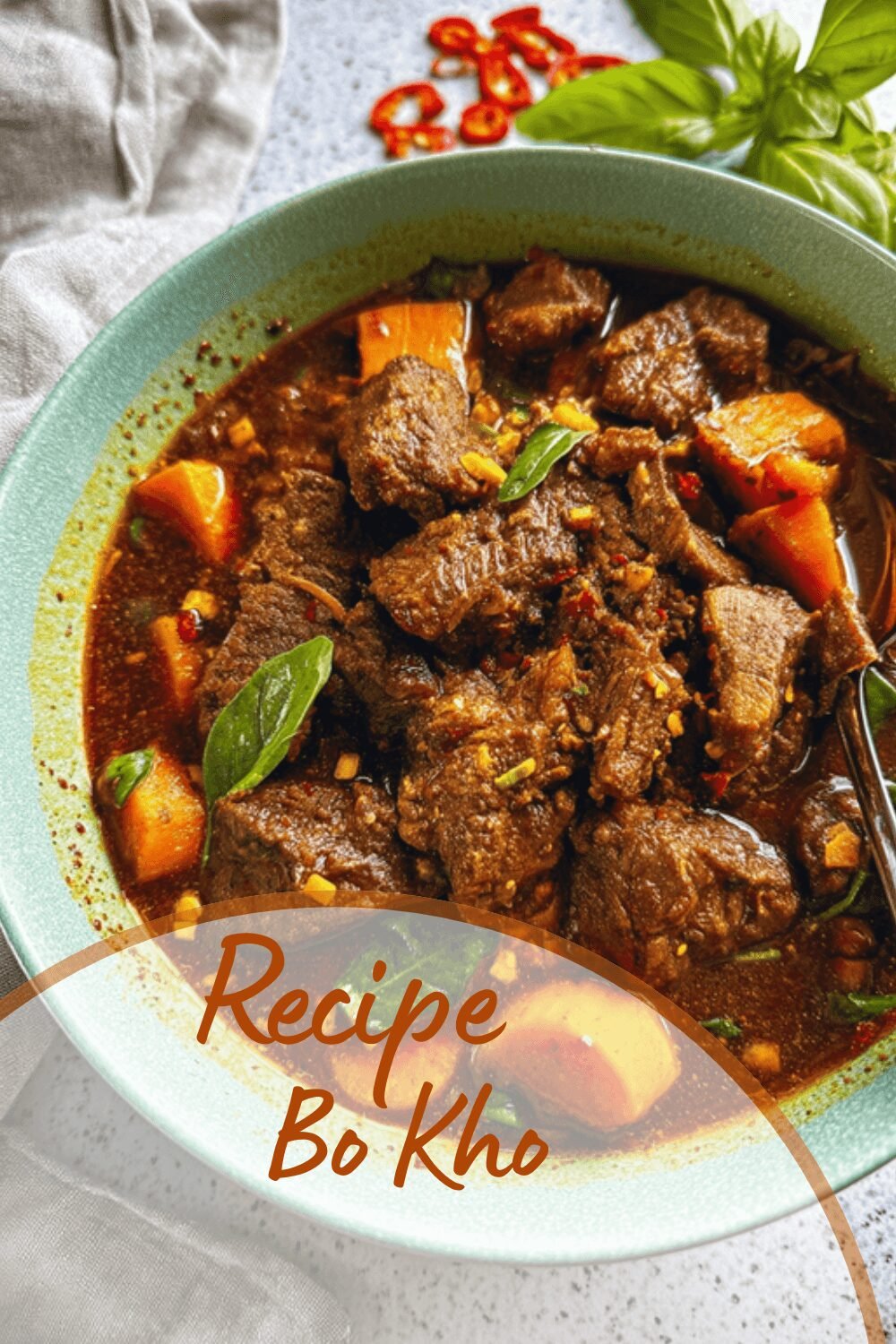
- Distinctive flavor: What sets Bo Kho apart is its vibrant red broth, enriched with the subtle sweetness from coconut water and balanced by aromatic spices like star anise, five-spice powder, and lemongrass. This stew delivers a complex, comforting experience that is both bold and deeply satisfying.
Jump to:
- Why You’ll Love This Bo Kho
- Essential Ingredients for Bo Kho
- Main Ingredients:
- Special Dietary Options:
- How to Prepare the Perfect Bo Kho: Step-by-Step Guide
- First Step: Marinate the Beef
- Second Step: Infuse Aromatics in Oil
- Third Step: Build the Flavor Base
- Fourth Step: Deepen the Sauce
- Fifth Step: Build the Broth and Simmer
- Sixth Step: Add Vegetables and Seasonings
- Final Step: Serve & Garnish
- Dietary Substitutions to Customize Your Bo Kho
- Protein and Main Component Alternatives
- Vegetable, Sauce, and Seasoning Modifications
- Mastering Bo Kho: Advanced Tips and Variations
- Pro Cooking Techniques
- Flavor Variations
- Presentation Tips
- Make-Ahead Options
- How to Store Bo Kho: Best Practices
- FAQs: Frequently Asked Questions About Bo Kho
- What is Bò Kho and what makes it unique?
- Can I make Bò Kho in an Instant Pot to save time?
- What ingredients are essential for an authentic Bò Kho recipe?
- How should I serve Bò Kho for a traditional experience?
- How long can I store leftover Bò Kho and what’s the best way to reheat it?
- Bo Kho
- Ingredients
- Instructions
- Last Step:
- Notes
- Nutrition
- Did you make this recipe?
Essential Ingredients for Bo Kho
Main Ingredients:
- 2 to 2½ pounds boneless beef chuck or brisket, cut into 1½-inch chunks – Provides tender, juicy protein essential for the stew’s hearty texture and flavor.
- 2 cloves garlic, minced – Adds pungent, savory aroma that enhances the taste of beef.
- 3 tablespoons ginger, minced – Infuses warmth and depth while aiding digestion.
- 5 tablespoons fish sauce (plus extra to taste) – Contributes umami and authentic Vietnamese depth.
- 2½ teaspoons five-spice powder – Offers a fragrant blend of star anise, cinnamon, cloves, fennel seed, and pepper for rich complexity.
- 1½ teaspoons brown sugar – Balances spices with subtle sweetness.
- 3 tablespoons vegetable or neutral cooking oil – For sautéing and building the stew base.
- 1 stalk lemongrass, cut into 3-inch lengths (woody parts removed) – Provides fresh, citrusy notes essential to Bo Kho’s signature flavor.
- 2 stalks lemongrass, minced (woody parts removed) – Adds layered aroma when cooked with garlic.
- 8 cloves garlic, minced – Strengthens the aromatic profile and savory taste.
- 1 medium onion, thinly sliced or diced – Adds sweetness and body when softened.
- 4 tablespoons tomato paste – Key for vibrant red color and acidity that balances richness.
- 8 cups water – Base cooking liquid to simmer beef and infuse flavors.
- 2 cups pure coconut water or juice – Injects natural sweetness that balances spices.
- 2 whole star anise – Distinct licorice-like aroma unique to traditional Vietnamese stews.
- 1 teaspoon ground black pepper – Adds mild heat and complexity.
- 1 teaspoon chili powder – Provides gentle spiciness.
- 1 teaspoon annatto powder (optional, for color) – Enhances the stew’s vibrant red-orange hue.
- 1 tablespoon paprika (optional for color and sweetness) – Adds warmth and moderate sweetness.
- 8 large carrots, peeled and cut on the bias into 1½-inch chunks – Supplies sweetness and texture contrast.
- 1 teaspoon salt – Essential seasoning.
- 3 tablespoons soy sauce – Balances umami and saltiness.
- 3 tablespoons chili oil (adjust to taste) – Adds heat and richness for those who prefer spice.
- Fresh herbs for garnish: roughly chopped cilantro leaves and about ¼ cup Thai basil – Adds brightness and freshness when served.
- Thinly sliced raw onion (optional) – Provides crisp, sharp contrast.
- Lime wedges for serving – Enhance the stew’s flavors with zesty acidity.
Special Dietary Options:
- Vegan: Replace beef with hearty mushrooms or young jackfruit; swap fish sauce and soy sauce with tamari or coconut aminos. Use vegetable broth instead of water for added depth.
- Gluten-free: Use tamari or coconut aminos in place of soy sauce to maintain gluten-free status. Confirm all seasonings are free from gluten traces.
- Low-calorie: Opt for leaner cuts of beef and increase the amount of carrots and herbs. Using less oil and seasoning with natural spices keeps it light yet flavorful.
How to Prepare the Perfect Bo Kho: Step-by-Step Guide
First Step: Marinate the Beef
Start by placing 2 to 2½ pounds of boneless beef chuck or brisket cut into 1½-inch chunks in a bowl. Add 2 cloves of minced garlic, 3 tablespoons minced ginger, 5 tablespoons fish sauce, 2½ teaspoons five-spice powder, and 1½ teaspoons brown sugar. Mix everything well to ensure the beef pieces are evenly coated. Let the beef marinate for at least 30 minutes to allow the flavors to penetrate deeply; marinating overnight in the fridge is even better for tender results.
Second Step: Infuse Aromatics in Oil
Heat 3 tablespoons of vegetable or neutral cooking oil in a large stockpot or Dutch oven over high heat. Add 1 stalk of lemongrass cut into 3-inch pieces with the tough parts removed. Swirl it around for about 1 minute to infuse the oil with citrus aroma. Then stir in 2 stalks of minced lemongrass and 8 cloves of minced garlic, cooking for 2 minutes until fragrant and golden.
Third Step: Build the Flavor Base
Add 1 medium sliced or diced onion to the pot. Cook until translucent, stirring occasionally to avoid burning. Then add the marinated beef chunks and brown them evenly on all sides. This step is essential to develop a deep, savory flavor foundation for the stew.
Fourth Step: Deepen the Sauce
Stir in 4 tablespoons of tomato paste to the seared beef and cook uncovered for 5 minutes. This caramelizes the tomato paste, deepening the color and richness of the stew’s base.
Fifth Step: Build the Broth and Simmer
Add 8 cups of water and 2 cups of pure coconut water or juice to the pot, followed by 2 whole star anise pods, 1 teaspoon ground black pepper, 1 teaspoon chili powder, 1 teaspoon annatto powder (optional for vibrant color), and 1 tablespoon paprika (optional for sweetness and color). Bring the liquid to a boil, then reduce heat to medium-low. Cover and simmer steadily for 1 hour, allowing the beef to become tender and absorb the aromatic flavors.
Sixth Step: Add Vegetables and Seasonings
After 1 hour, add 8 large carrots peeled and sliced on the bias into 1½-inch chunks. Season with 1 teaspoon salt, 3 tablespoons soy sauce, and 3 tablespoons chili oil, adjusting chili oil to your preferred spice level. Simmer uncovered for another 40 minutes until both beef and carrots are tender and the broth reaches a rich, balanced flavor.
Final Step: Serve & Garnish
Remove larger aromatics such as lemongrass stalks and star anise pods before serving to avoid unwanted textures. Cook noodles according to package instructions just before serving to keep them fresh and springy. Place noodles in serving bowls and ladle the boiling hot Bo Kho over them. Garnish with roughly chopped cilantro, Thai basil, thinly sliced raw onion if desired, and lime wedges on the side to add brightness. Enjoy this comforting Vietnamese beef stew traditionally served with rice noodles but also excellent with French bread or steamed rice.
For busy days, pressure cooking Bo Kho can shorten cooking time to about 45 minutes, but slow simmering builds the flavor that defines this classic stew.
To expand your recipe collection, check out this flavorful crispy beef rice bowl recipe for another savory meat dish.
Dietary Substitutions to Customize Your Bo Kho
Protein and Main Component Alternatives
- Vegan and Vegetarian: Swap beef with shredded young green jackfruit or firm mushrooms (such as portobello or shiitake) to replicate the chewy texture while keeping the rich flavors intact.
- Lean Proteins: Use chicken breast or turkey chunks for a lighter protein without sacrificing the hearty feel of the stew.
- Plant-Based Protein: Seitan can be an excellent meat substitute if you want a gluten-rich, chewy texture similar to beef.
Vegetable, Sauce, and Seasoning Modifications
- Vegetables: Replace carrots with sweet potatoes or parsnips to vary sweetness and heat tolerance seasonally or based on availability.
- Sauces: For a gluten-free Bo Kho, swap soy sauce for tamari or coconut aminos, maintaining the umami flavor while avoiding gluten.
- Broth: Substitute water with vegetable or beef broth according to dietary preferences to add depth and richness.
- Spices: Adjust the quantity of five-spice powder or chili powder to control warmth and heat intensity; include cinnamon sticks for a sweeter undertone or extra star anise for bolder aroma.
Mastering Bo Kho: Advanced Tips and Variations
Pro Cooking Techniques
Slow cook Bo Kho in a crockpot or slow cooker on low for 6 to 8 hours. This method yields ultra-tender beef and the deepest melding of aromatic flavors compared to stovetop simmering alone. For a quicker approach, use an Instant Pot pressure cooker for about 40 minutes under high pressure, releasing naturally to retain moisture.
Flavor Variations
Consider adding cinnamon sticks or star anise pods in varying amounts for personalized aroma. For a creamier texture, stir in a bit of coconut milk just before serving to complement the subtle sweetness from coconut water. Spice lovers can increase chili powder or drizzle extra chili oil at the table.
Presentation Tips
Serve Bo Kho in rustic deep bowls garnished with fresh Thai basil and cilantro, accompanied by sharply sliced raw onions and bright lime wedges. Pair with a side of crunchy French bread or fresh rice noodles for an inviting, traditional display.
Make-Ahead Options
Prepare Bo Kho a day ahead and refrigerate overnight. Reheating allows the flavors to intermingle beautifully. For meal prepping, portion into containers for easy grab-and-go lunches or dinners, perfect for busy households.
How to Store Bo Kho: Best Practices
| Storage Method | Instructions | Duration |
|---|---|---|
| Refrigeration | Cool the stew to room temperature, then transfer to airtight containers. Store in the fridge. | 3 to 4 days |
| Freezing | Portion Bo Kho into freezer-safe bags or containers, removing as much air as possible to prevent freezer burn. | Up to 3 months |
| Reheating | Thaw frozen portions overnight in the fridge. Reheat gently on the stove over low heat or in a microwave, stirring occasionally to preserve texture and flavor. | N/A |
| Meal Prep Considerations | Make large batches and divide into individual meal-sized containers for convenience. Cook noodles fresh when serving for the best texture. | N/A |
FAQs: Frequently Asked Questions About Bo Kho
What is Bò Kho and what makes it unique?
Bò Kho is a traditional Vietnamese beef stew known for its rich and aromatic flavors. It typically features tender chunks of beef simmered with spices like star anise, cinnamon, lemongrass, and ginger. The stew often includes carrots and is slow-cooked until the meat is soft and the broth is deeply flavorful. Its balance of savory, slightly sweet, and fragrant spices sets it apart from other beef stews.
Can I make Bò Kho in an Instant Pot to save time?
Yes, you can cook Bò Kho in an Instant Pot. Using this method significantly reduces the cooking time while still producing tender beef and a flavorful broth. Set the Instant Pot to the “Pressure Cook” mode and cook for about 35-45 minutes, then allow natural pressure release. This approach is convenient for busy days without sacrificing taste.
What ingredients are essential for an authentic Bò Kho recipe?
Key ingredients for authentic Bò Kho include boneless beef chuck, star anise, cinnamon sticks, lemongrass, garlic, ginger, carrots, yellow onions, beef broth, fish sauce, tomato paste, and brown sugar. These combine to create a distinctive aroma and balanced flavor profile that defines this Vietnamese stew.
How should I serve Bò Kho for a traditional experience?
Bò Kho is traditionally served with fresh crusty baguette for dipping or with cooked rice noodles or white rice. It’s commonly garnished with chopped cilantro and served alongside lime wedges to add a bright, fresh finish. This combination highlights the stew’s rich flavors and provides a satisfying meal.
How long can I store leftover Bò Kho and what’s the best way to reheat it?
Leftover Bò Kho can be refrigerated in an airtight container for up to three days. When reheating, warm it gently on the stovetop over low heat to maintain the tenderness of the beef and prevent the broth from separating. Adding a splash of water or broth can help restore the stew’s consistency if it has thickened too much.
Bo Kho
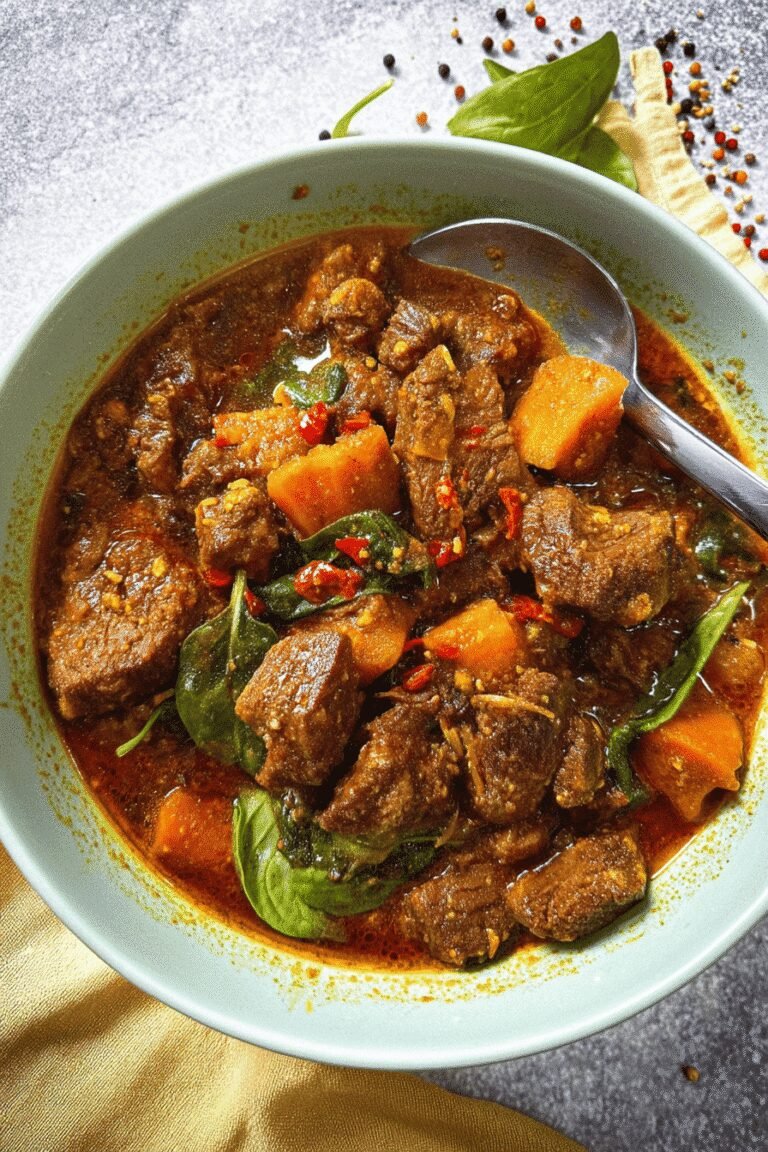
🍲 Bo Kho is a hearty Vietnamese beef stew that highlights bold flavors and a vibrant red hue. It’s perfect for a comforting meal that brings warmth and satisfaction.
🥩 Filled with tender beef and a fragrant blend of spices, this dish is ideal for those seeking a flavorful and aromatic culinary experience.
- Total Time: 3 hours
- Yield: 6 servings
Ingredients
– 2 to 2½ pounds boneless beef chuck or brisket
– 2 cloves garlic
– 3 tablespoons ginger
– 5 tablespoons fish sauce
– 2½ teaspoons five-spice powder
– 1½ teaspoons brown sugar
– 3 tablespoons vegetable or neutral cooking oil
– 1 stalk lemongrass
– 2 stalks lemongrass
– 8 cloves garlic
– 1 medium onion
– 4 tablespoons tomato paste
– 8 cups water
– 2 cups pure coconut water or juice
– 2 whole star anise
– 1 teaspoon ground black pepper
– 1 teaspoon chili powder
– 1 teaspoon annatto powder
– 1 tablespoon paprika
– 8 large carrots
– 1 teaspoon salt
– 3 tablespoons soy sauce
– 3 tablespoons chili oil
– Fresh herbs for garnish
– Thinly sliced raw onion
– Lime wedges for serving
Instructions
First Step: Marinate the Beef. Start by placing 2 to 2½ pounds of boneless beef chuck or brisket cut into 1½-inch chunks in a bowl. Add 2 cloves of minced garlic, 3 tablespoons minced ginger, 5 tablespoons fish sauce, 2½ teaspoons five-spice powder, and 1½ teaspoons brown sugar. Mix everything well to ensure the beef pieces are evenly coated. Let the beef marinate for at least 30 minutes to allow the flavors to penetrate deeply; marinating overnight in the fridge is even better for tender results.
Second Step: Infuse Aromatics in Oil. Heat 3 tablespoons of vegetable or neutral cooking oil in a large stockpot or Dutch oven over high heat. Add 1 stalk of lemongrass cut into 3-inch pieces with the tough parts removed. Swirl it around for about 1 minute to infuse the oil with citrus aroma. Then stir in 2 stalks of minced lemongrass and 8 cloves of minced garlic, cooking for 2 minutes until fragrant and golden.
Third Step: Build the Flavor Base. Add 1 medium sliced or diced onion to the pot. Cook until translucent, stirring occasionally to avoid burning. Then add the marinated beef chunks and brown them evenly on all sides. This step is essential to develop a deep, savory flavor foundation for the stew.
Fourth Step: Deepen the Sauce. Stir in 4 tablespoons of tomato paste to the seared beef and cook uncovered for 5 minutes. This caramelizes the tomato paste, deepening the color and richness of the stew’s base.
Fifth Step: Build the Broth and Simmer. Add 8 cups of water and 2 cups of pure coconut water or juice to the pot, followed by 2 whole star anise pods, 1 teaspoon ground black pepper, 1 teaspoon chili powder, 1 teaspoon annatto powder (optional for vibrant color), and 1 tablespoon paprika (optional for sweetness and color). Bring the liquid to a boil, then reduce heat to medium-low. Cover and simmer steadily for 1 hour, allowing the beef to become tender and absorb the aromatic flavors.
Sixth Step: Add Vegetables and Seasonings. After 1 hour, add 8 large carrots peeled and sliced on the bias into 1½-inch chunks. Season with 1 teaspoon salt, 3 tablespoons soy sauce, and 3 tablespoons chili oil, adjusting chili oil to your preferred spice level. Simmer uncovered for another 40 minutes until both beef and carrots are tender and the broth reaches a rich, balanced flavor.
Final Step: Serve & Garnish. Remove larger aromatics such as lemongrass stalks and star anise pods before serving to avoid unwanted textures. Cook noodles according to package instructions just before serving to keep them fresh and springy. Place noodles in serving bowls and ladle the boiling hot Bo Kho over them. Garnish with roughly chopped cilantro, Thai basil, thinly sliced raw onion if desired, and lime wedges on the side to add brightness. Enjoy this comforting Vietnamese beef stew traditionally served with rice noodles but also excellent with French bread or steamed rice.
Last Step:
Please leave a rating and comment letting us know how you liked this recipe! This helps our business to thrive and continue providing free, high-quality recipes for you.Notes
🥘 Use coconut water for a natural sweetness that balances the spices.
🕛 Marinate beef longer for extra tenderness and flavor.
🍋 Garnish with fresh herbs and lime for added brightness.
- Prep Time: 40 minutes
- Marinating time: 30 minutes
- Cook Time: 2 hours 20 minutes
- Category: Main Course
- Method: Simmering
- Cuisine: Vietnamese
- Diet: N/A
Nutrition
- Serving Size: 1 bowl
- Calories: 615
- Sugar: 8g
- Sodium: 946mg
- Fat: 26g
- Saturated Fat: 8g
- Unsaturated Fat: N/A
- Trans Fat: N/A
- Carbohydrates: 65g
- Fiber: 5g
- Protein: 30g
- Cholesterol: 88mg






Thank you for sharing this Bo Kho recipe! 😋 It reminds me of the one my grandma used to make every Sunday. I tried it last night and my family loved it. I added a bit more star anise because that’s how grandma did it too. Can’t wait to make it again!