

Why You’ll Love This Belgian Stoofvlees
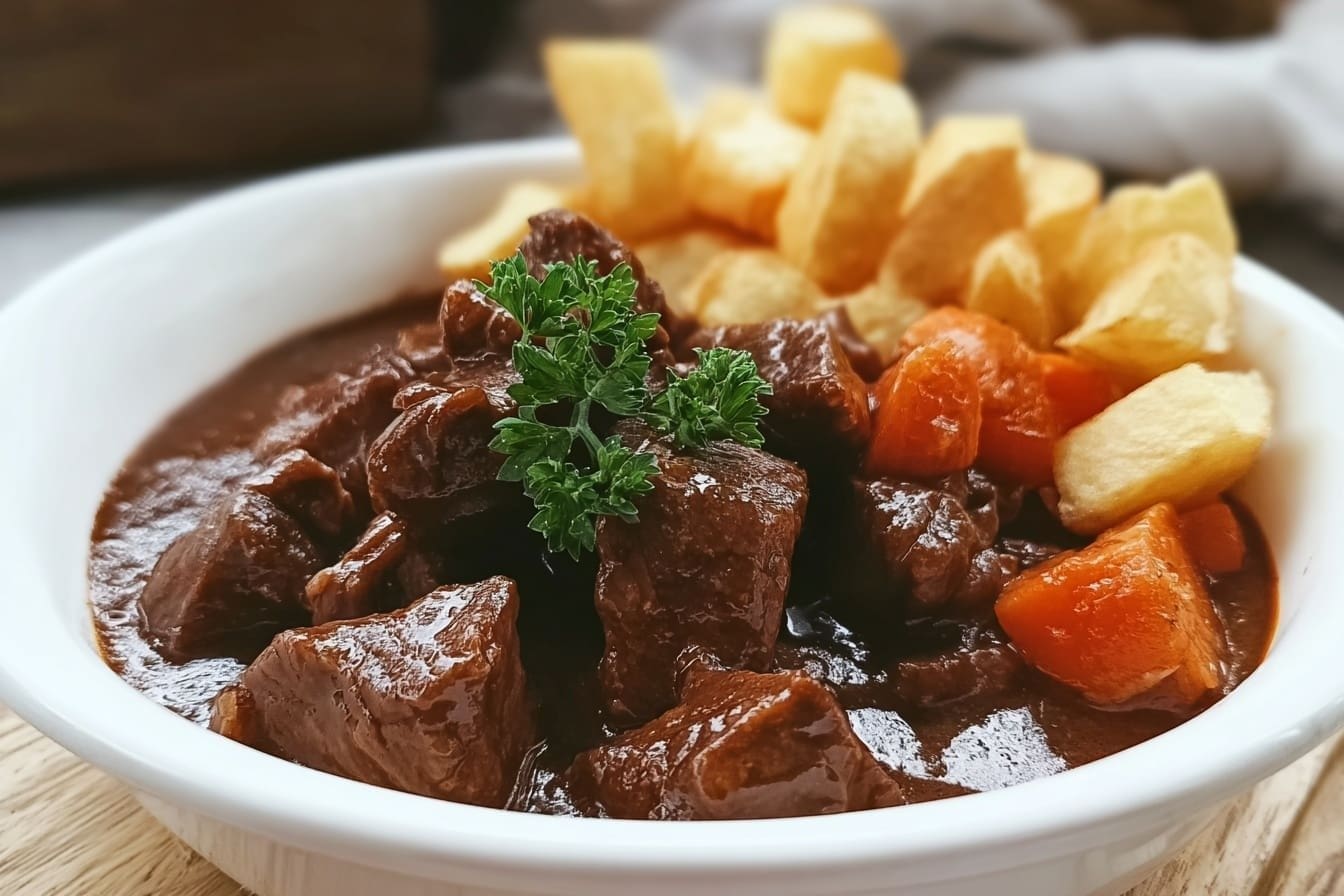
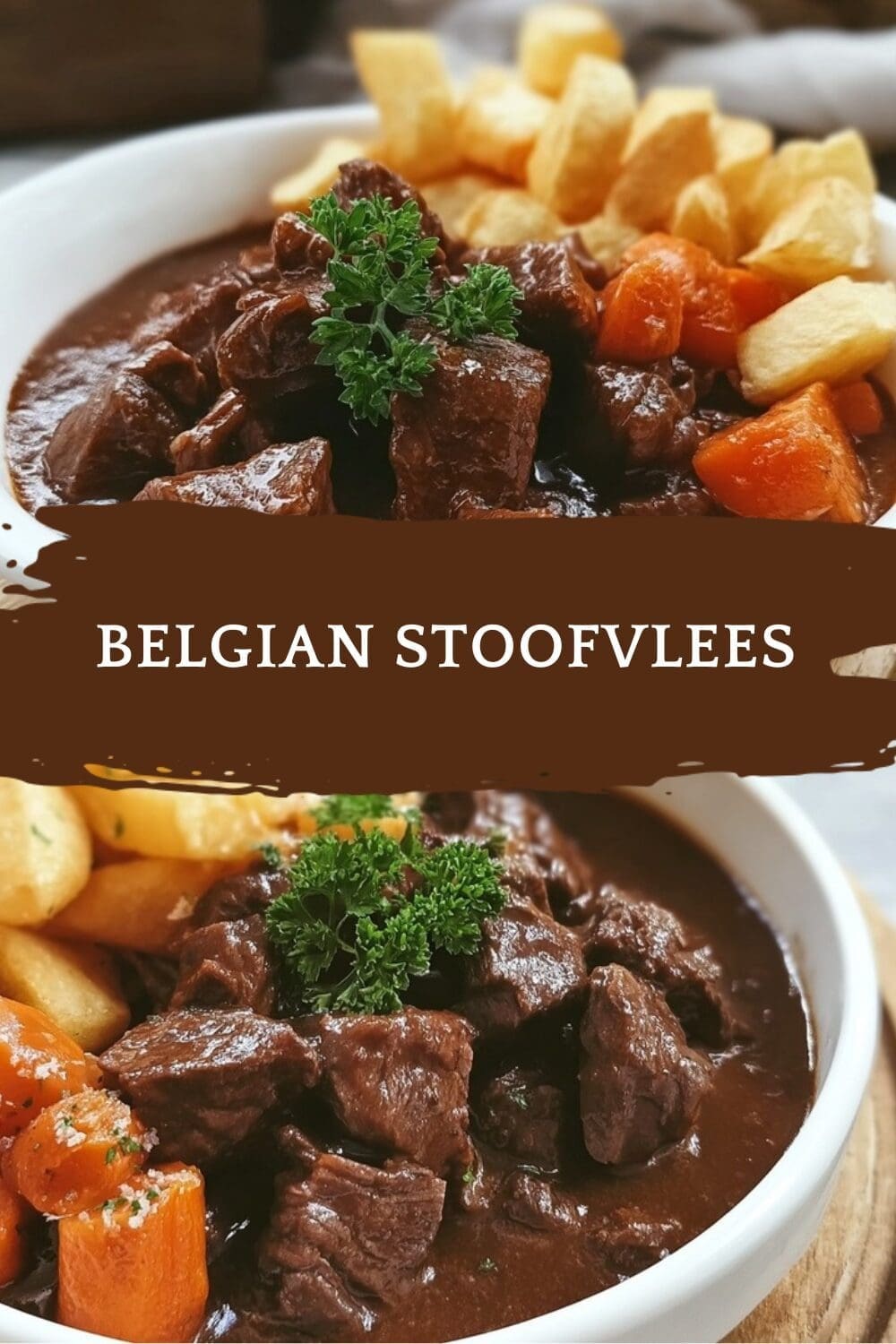
Belgian Stoofvlees is the kind of meal that turns an ordinary night into something memorable. This thick Flemish beef stew is slowly cooked in Belgian brown ale beer until the meat turns tender and the sauce becomes rich, savory, and slightly sweet. If you love a stoofvlees recipe that feels rustic, comforting, and full of deep flavor, this one fits the bill beautifully.
This is the sort of Belgian beef stew that tastes like it has been simmering for generations, because low and slow cooking really does the heavy lifting.
- Easy to prepare: The hands-on work is simple. You marinate the beef, sear it, deglaze the pot, then let the stew simmer until it becomes tender. Most of the time is inactive, which makes this flemish beef stew great for busy parents, working professionals, and anyone who likes a make-ahead dinner.
- Good for hearty appetites: Belgian Stoofvlees is protein-rich and satisfying, with moderate fat from the beef and plenty of flavor from herbs, onions, and beer. It is the kind of belgian beef stew that feels filling without needing a long list of extra sides.
- Flexible for different tables: Serve it with Belgian fries, roasted potatoes, or crusty brown bread. It also works well for potlucks, family dinners, and community gatherings because it holds heat nicely and tastes even better after resting.
- Big, distinctive flavor: The maltiness of Belgian brown ale, the mustard, the paprika, and the slow caramelization of onions create a flemish stew that stands apart from standard beef stew recipes. The flavor is deeper, richer, and a little tangy in the best way.
If you enjoy cozy comfort food like easy goulash or a hearty side such as loaded mashed potato casserole, this Belgian Stoofvlees will feel right at home on your table.
Jump to:
- Why You’ll Love This Belgian Stoofvlees
- Essential Ingredients for Belgian Stoofvlees
- For the beef and marinade
- For the stew
- For the carrots
- Special dietary options
- How to Prepare the Perfect Belgian Stoofvlees: Step-by-Step Guide
- First step: mix the marinade
- Second step: get the beef ready for cooking
- Third step: sear the beef in batches
- Fourth step: soften the onions
- Fifth step: deglaze with Belgian brown ale
- Sixth step: build the stew base
- Seventh step: simmer low and slow
- Eighth step: prepare the carrots
- Ninth step: finish the stew
- Final step: serve it the Belgian way
- Dietary Substitutions to Customize Your Belgian Stoofvlees
- Protein and main component alternatives
- Vegetable, sauce, and seasoning modifications
- Mastering Belgian Stoofvlees: Advanced Tips and Variations
- Pro cooking techniques
- Flavor variations
- Presentation tips
- Make-ahead options
- How to Store Belgian Stoofvlees: Best Practices
- Refrigeration
- Freezing
- Reheating
- Meal prep considerations
- FAQs: Frequently Asked Questions About Belgian Stoofvlees
- What is Belgian stoofvlees?
- What kind of beer is best for stoofvlees?
- How do you marinate and prepare beef for stoofvlees?
- How long do you cook stoofvlees and what are key tips?
- What should you serve with Belgian stoofvlees?
- Belgian Stoofvlees
- Ingredients
- Instructions
- Last Step:
- Notes
- Nutrition
- Did you make this recipe?
Essential Ingredients for Belgian Stoofvlees
The ingredient list for this stoofvlees recipe is straightforward, but each part matters. The beef gets a flavorful marinade, the stew base builds depth with Belgian brown ale, and the carrots are added near the end so they keep some bite. For the most authentic result, choose a brown ale with malty notes and a beef cut that can handle long, slow cooking.
For the beef and marinade
- 1 pound beef, cubed – Use a stewing cut with some fat for tenderness during the long simmer.
- 1 small onion, minced – Adds savory sweetness right in the marinade.
- 4 cloves garlic, minced – Builds a strong base of flavor.
- 1 sprig fresh rosemary – Brings a piney herbal note that works well with beef.
- 1/2 teaspoon dried thyme – Adds warmth and balance.
- 1/2 teaspoon sweet paprika – Gives gentle color and mild sweetness.
- 1/2 teaspoon smoked paprika – Adds a deeper, smoky edge.
- 1/2 teaspoon hot paprika – Lifts the stew with a little heat.
- 1 tablespoon coarse mustard (Dutch-style preferred) – Adds sharpness and helps the marinade cling to the beef.
- 2 tablespoons red or white wine vinegar – Tenderizes the meat and brightens the flavor.
For the stew
- 2 tablespoons all-purpose flour – Lightly coats the beef and helps thicken the sauce.
- 2 tablespoons flavorless cooking oil, divided – Used for searing and sautéing.
- 1 large onion, diced – Slowly softens into the stew base.
- 1 bottle (around 12 ounces) Belgian brown ale – The signature liquid for authentic Belgian Stoofvlees.
- 1 cup beef broth – Deepens the savory flavor.
- 1 cup water – Helps create the right simmering liquid.
- 2 dried bay leaves – Add a subtle aromatic finish.
- 1 tablespoon brown sugar – Balances the beer and mustard.
- 1/4 teaspoon salt – Seasons the stew base.
- 1/8 teaspoon ground black pepper – Adds mild heat.
- 1 teaspoon coarse mustard (Dutch-style preferred) – Stirred in later for more tang.
For the carrots
- 1 large carrot – Adds sweetness and texture near the end.
- 1 garlic clove, minced – Keeps the carrot topping savory.
- 1/2 sprig fresh rosemary, chopped – Echoes the herbs in the beef marinade.
- 1/4 teaspoon olive oil – Helps the carrots sauté gently.
- Pinch of salt – Brings out the carrot flavor.
- A few grinds of black pepper – Finishes the carrot mix with a little bite.
Special dietary options
- Vegan: Use seitan, king oyster mushrooms, or jackfruit in place of beef, vegetable broth instead of beef broth, and a nonalcoholic dark beer or mushroom stock instead of Belgian brown ale.
- Gluten-free: Swap the all-purpose flour for a gluten-free flour blend or cornstarch, and check that the mustard and beer are certified gluten-free.
- Low-calorie: Use a leaner beef cut, trim visible fat, reduce the oil slightly, and serve with roasted vegetables instead of fries.
| Ingredient group | Main job in the stew |
|---|---|
| Marinade | Builds flavor and softens the beef |
| Beer and broth | Create the rich, savory sauce |
| Onions and sugar | Add sweetness and depth |
| Carrots | Bring texture and gentle sweetness at the end |
How to Prepare the Perfect Belgian Stoofvlees: Step-by-Step Guide
This authentic Flemish beef stew rewards patience, but the process is simple enough for home cooks of all levels. The key is to build flavor in layers. Marinate the meat, sear it well, deglaze the pot, then let the stew cook low and slow until the beef becomes spoon-tender. If you want a stoofvlees recipe authentic enough for a special family dinner, follow these steps closely.
First step: mix the marinade
Cut the beef into roughly 1-inch cubes and place it in a bowl. Add the minced small onion, minced garlic, fresh rosemary sprig, dried thyme, sweet paprika, smoked paprika, hot paprika, coarse mustard, and red or white wine vinegar. Toss everything together until the beef is well coated. Cover the bowl and refrigerate for at least 4 hours, though overnight gives you a deeper, richer flavor.
Second step: get the beef ready for cooking
Remove the beef from the refrigerator about 20 minutes before you plan to cook. This helps it cook more evenly when it hits the hot oil. Take out the rosemary sprig from the marinade, then toss the beef with the flour so the surface is lightly coated. That little bit of flour helps thicken the stew later and gives the sauce a nicer body.
Third step: sear the beef in batches
Heat 1 tablespoon of the flavorless cooking oil in a large pot over medium-high heat. Add the beef in batches and sear each batch for about 3 minutes, just until browned on the outside. Do not crowd the pot, or the meat will steam instead of brown. Remove each batch and set it aside while you finish the rest.
Fourth step: soften the onions
Add the remaining 1 tablespoon oil to the pot. Stir in the large diced onion and cook for 2 to 3 minutes, until it softens and starts to turn translucent. The onions pick up the browned bits left in the pot, which means more flavor in the final stew. If the bottom looks dry, lower the heat a little so nothing burns.
Fifth step: deglaze with Belgian brown ale
Pour in the Belgian brown ale and scrape the bottom of the pot well. All those browned bits matter because they hold the deep, savory flavor that makes Belgian Stoofvlees so special. Lower the heat a bit while you do this so the beer does not splatter. The aroma should smell malty, rich, and slightly sweet.
Sixth step: build the stew base
Return the browned beef and any juices to the pot. Add the beef broth, water, brown sugar, salt, black pepper, and bay leaves. Stir gently, then bring everything to a boil. Once it bubbles, cover the pot and reduce the heat to low. The stew should barely simmer, not boil hard, or the meat may turn tough.
Seventh step: simmer low and slow
Let the stew cook for 4 to 5 hours, stirring every 45 minutes so nothing sticks to the bottom. If you notice the sauce getting too thick too early, add a splash of water. The goal is soft beef and a sauce that is thick, glossy, and deeply flavored. This long cooking time is what makes a true Flemish stew taste so comforting.
Eighth step: prepare the carrots
About one hour before serving, prepare the carrots. Slice the large carrot, then sauté it with the minced garlic, chopped rosemary, olive oil, pinch of salt, and a few grinds of black pepper for a few minutes. You want the carrots tender, not mushy. Adding them near the end keeps their flavor bright and their texture pleasant.
Ninth step: finish the stew
Stir the carrots and the remaining teaspoon of coarse mustard into the stew. Cook uncovered on low for one more hour, stirring and scraping the bottom as needed. This last hour lets the sauce thicken and gives the mustard time to blend into the broth. Taste and adjust if needed before serving.
Final step: serve it the Belgian way
Spoon the Belgian Stoofvlees into bowls and serve it with crusty brown bread and Belgian fries or roasted potatoes. Many people also like mayonnaise or aioli on the side for dipping the fries. The stew is even better after a short rest, so if you have time, let it sit for 10 to 15 minutes before serving.
If you are cooking for a crowd, this Belgian beef stew is a smart choice because it stays warm well and tastes great with simple sides.
Dietary Substitutions to Customize Your Belgian Stoofvlees
One reason stoofvlees recipe fans keep coming back to this dish is how easy it is to adapt. You can adjust the main protein, the sauce, or the seasonings without losing the cozy feel of the original Flemish beef stew. These swaps are handy for different diets, ingredient shortages, or just a change of pace.
Protein and main component alternatives
If you want a meat-free version, replace the beef with seitan, king oyster mushrooms, or jackfruit. Seitan gives the most meat-like texture, while mushrooms add a savory bite and jackfruit offers a softer shredded style. For a lighter take on belgian stoofvlees recipe ideas, use lean beef and trim extra fat before marinating. If beef is hard to find, chuck roast, brisket, or another stew-friendly cut works well.
Vegetable, sauce, and seasoning modifications
You can swap the Belgian brown ale for a nonalcoholic dark beer, beef broth plus a splash of balsamic, or mushroom stock if needed. For gluten-free cooking, use cornstarch instead of flour and check your mustard carefully. If you want a lower-sodium version, reduce the salt a little and choose a low-sodium broth. You can also add parsnips or celery root for a different winter vegetable note. The stew still keeps its classic Flemish stew character as long as you keep the slow simmer, onions, and mustard in the mix.
Mastering Belgian Stoofvlees: Advanced Tips and Variations
Once you have made this traditional Flemish stoofvlees once, a few small tweaks can take it from very good to truly memorable. None of these steps are difficult, but they do make a difference in the final bowl.
Pro cooking techniques
For better browning, pat the beef dry before searing. Dry surface means better crust. Also, do not rush the deglazing step. Scraping up every browned bit after adding the beer gives the stew a deeper, richer base. If the pot starts catching on the bottom during the long simmer, stir more often and add a splash of water as needed.
Flavor variations
Some cooks like a touch more sweetness, so an extra teaspoon of brown sugar can work. Others prefer a more savory profile, so they reduce the sugar slightly and add more mustard. You can also experiment with thyme and rosemary amounts, or add a pinch of cloves for a wintery edge. For a deeper Belgian beef stew flavor, use a darker brown ale with strong malt notes.
Presentation tips
Serve the stew in shallow bowls so the sauce can pool around the beef. Add a sprinkle of fresh parsley if you want a bit of color, though it is not required for the classic dish. Fries on the side, a little mayonnaise or aioli, and a piece of crusty brown bread make the plate feel complete and welcoming.
Make-ahead options
This is one of those dishes that tastes even better the next day. You can marinate the beef overnight, cook the stew in two stages, or fully make it a day ahead and reheat it gently. That slower timeline is why many home cooks love it for gatherings, meal prep, and cold-weather weekends.
How to Store Belgian Stoofvlees: Best Practices
Belgian Stoofvlees stores very well, which makes it useful for batch cooking and leftover lunches. In fact, the flavor often gets better after a night in the fridge because the beer, mustard, and herbs have more time to blend together.
Refrigeration
Let the stew cool, then move it to an airtight container. Store it in the refrigerator for up to 4 days. If you made it with fries or bread, keep those separate so they do not get soggy.
Freezing
For longer storage, freeze the cooled flemish beef stew in freezer-safe containers or heavy-duty freezer bags. It keeps well for up to 3 months. Leave a little space at the top of each container so the sauce can expand as it freezes.
Reheating
Reheat gently on the stovetop over low heat, stirring now and then. Add a splash of water or broth if the sauce looks too thick. You can also warm it in the microwave in short bursts, stirring between each one. Slow reheating helps keep the beef tender.
Meal prep considerations
If you are cooking for the week, portion the stew into single-serve containers with roasted potatoes or bread on the side. It is a practical choice for students, busy parents, and working professionals because it travels well and holds up nicely after reheating.
FAQs: Frequently Asked Questions About Belgian Stoofvlees
What is Belgian stoofvlees?
Belgian stoofvlees, also known as stoofvlees or carbonnade flamande, is a hearty beef stew slow-cooked in Belgian beer. The name “stoofvlees” means “stew meat” in Dutch, reflecting its tender chunks of beef simmered with onions, garlic, herbs, and a rich beer broth until flavors meld deeply. It’s a staple in Flemish cuisine, originating from Belgium and popular in the Netherlands too. Traditionally served with crispy Belgian fries and mayonnaise or aioli for dipping, it pairs perfectly with crusty brown bread slathered in mustard. The dish shines after hours of low-heat cooking, developing a thick, caramelized sauce from the beer’s maltiness and browned meat bits. Prep time is about 30 minutes plus marinating, with 4-5 hours cooking—ideal for cozy winter meals. (98 words)
What kind of beer is best for stoofvlees?
Use a brown Belgian ale for authentic stoofvlees flavor—its deep, malty notes add richness without overpowering bitterness. Avoid blond ales, which are lighter and less complex. Leffe Bruin is a top pick: affordable, widely available internationally, and balances caramel sweetness with subtle spice. Other great options include Chimay Red or Westmalle Dubbel for nutty depth. Pour in about 2-3 bottles (750ml total) to cover the beef in the pot. Darker beers like stouts work but may make the stew too sweet; test with what you have on hand. The beer tenderizes the meat and forms the glossy sauce—deglaze the pan well after searing to capture every bit of flavor. (112 words)
How do you marinate and prepare beef for stoofvlees?
Start with 1-2 lbs of chuck or brisket beef, cut into 1-2 inch cubes for even cooking. Marinate overnight (or at least 4 hours) in a mix of 4 minced garlic cloves, 1 minced onion, 1 tbsp each sweet, hot, and smoked paprika, 1 tsp dried thyme, 2 sprigs fresh rosemary, 2 tbsp mustard, and 3 tbsp vinegar or red wine. This infuses bold, aromatic flavors and tenderizes the meat. Pat dry before searing in hot oil until browned on all sides—about 5-7 minutes. Toss lightly in flour for thickening, but watch for sticking. Transfer to a Dutch oven, deglaze with beer, and simmer low. This step prevents tough meat and builds the stew’s base. (118 words)
How long do you cook stoofvlees and what are key tips?
Cook stoofvlees low and slow: 4-5 hours on stovetop at a gentle simmer, or 6-8 hours in a 275°F oven. Stir every 45 minutes to avoid sticking; the beef should shred easily when done. Sear meat first for crust and flavor, deglaze thoroughly with beer to lift browned bits. Add sliced onions midway. For carrots, sauté 2-3 chopped ones with garlic and rosemary, then stir in for the last 30 minutes to retain crunch and freshness—they fade if cooked all day. Break into stages: simmer 2-3 hours day one, cool overnight in the fridge, finish day two for deeper taste. Skim excess fat before serving. (114 words)
What should you serve with Belgian stoofvlees?
Pair stoofvlees with Belgian fries—thick-cut, double-fried to crispy perfection—and a generous dollop of mayonnaise or aioli for dipping. Alternatives include crusty brown bread with sharp mustard or roasted potatoes with herbs. The stew’s rich sauce soaks into fries or bread beautifully. For sides, add a simple green salad with vinaigrette to cut richness, or steamed green beans. In Belgium, it’s often enjoyed with apple sauce on the side for subtle sweetness. Serves 4-6; leftovers store in the fridge up to 4 days or freeze for 3 months—reheat gently on stovetop. This combo makes it a complete, satisfying meal straight from Flemish tradition. (108 words)

Belgian Stoofvlees
🥘🍺 Stoofvlees Recipe: Authentic Flemish Beef Stew tenderizes beef cubes in malty Belgian brown ale gravy herbs spices – rich slow-braised depth!
🍟 Marinate-sear-simmer perfection: ultimate fries mayo pair, hearty Flemish comfort family loves!
- Total Time: 10 hours 10 minutes
- Yield: 4 servings
Ingredients
– 1 pound beef, cubed
– 1 small onion, minced
– 4 cloves garlic, minced
– 1 sprig fresh rosemary
– 1/2 teaspoon dried thyme
– 1/2 teaspoon sweet paprika
– 1/2 teaspoon smoked paprika
– 1/2 teaspoon hot paprika
– 1 tablespoon coarse mustard (Dutch-style preferred)
– 2 tablespoons red or white wine vinegar
– 2 tablespoons all-purpose flour
– 2 tablespoons flavorless cooking oil, divided
– 1 large onion, diced
– 1 bottle (around 12 ounces) Belgian brown ale
– 1 cup beef broth
– 1 cup water
– 2 dried bay leaves
– 1 tablespoon brown sugar
– 1/4 teaspoon salt
– 1/8 teaspoon ground black pepper
– 1 teaspoon coarse mustard (Dutch-style preferred)
– 1 large carrot
– 1 garlic clove, minced
– 1/2 sprig fresh rosemary, chopped
– 1/4 teaspoon olive oil
– Pinch of salt
– A few grinds of black pepper
Instructions
1-First step: mix the marinade Cut the beef into roughly 1-inch cubes and place it in a bowl. Add the minced small onion, minced garlic, fresh rosemary sprig, dried thyme, sweet paprika, smoked paprika, hot paprika, coarse mustard, and red or white wine vinegar. Toss everything together until the beef is well coated. Cover the bowl and refrigerate for at least 4 hours, though overnight gives you a deeper, richer flavor.
2-Second step: get the beef ready for cooking Remove the beef from the refrigerator about 20 minutes before you plan to cook. This helps it cook more evenly when it hits the hot oil. Take out the rosemary sprig from the marinade, then toss the beef with the flour so the surface is lightly coated. That little bit of flour helps thicken the stew later and gives the sauce a nicer body.
3-Third step: sear the beef in batches Heat 1 tablespoon of the flavorless cooking oil in a large pot over medium-high heat. Add the beef in batches and sear each batch for about 3 minutes, just until browned on the outside. Do not crowd the pot, or the meat will steam instead of brown. Remove each batch and set it aside while you finish the rest.
4-Fourth step: soften the onions Add the remaining 1 tablespoon oil to the pot. Stir in the large diced onion and cook for 2 to 3 minutes, until it softens and starts to turn translucent. The onions pick up the browned bits left in the pot, which means more flavor in the final stew. If the bottom looks dry, lower the heat a little so nothing burns.
5-Fifth step: deglaze with Belgian brown ale Pour in the Belgian brown ale and scrape the bottom of the pot well. All those browned bits matter because they hold the deep, savory flavor that makes Belgian Stoofvlees so special. Lower the heat a bit while you do this so the beer does not splatter. The aroma should smell malty, rich, and slightly sweet.
6-Sixth step: build the stew base Return the browned beef and any juices to the pot. Add the beef broth, water, brown sugar, salt, black pepper, and bay leaves. Stir gently, then bring everything to a boil. Once it bubbles, cover the pot and reduce the heat to low. The stew should barely simmer, not boil hard, or the meat may turn tough.
7-Seventh step: simmer low and slow Let the stew cook for 4 to 5 hours, stirring every 45 minutes so nothing sticks to the bottom. If you notice the sauce getting too thick too early, add a splash of water. The goal is soft beef and a sauce that is thick, glossy, and deeply flavored. This long cooking time is what makes a true Flemish stew taste so comforting.
8-Eighth step: prepare the carrots About one hour before serving, prepare the carrots. Slice the large carrot, then sauté it with the minced garlic, chopped rosemary, olive oil, pinch of salt, and a few grinds of black pepper for a few minutes. You want the carrots tender, not mushy. Adding them near the end keeps their flavor bright and their texture pleasant.
9-Ninth step: finish the stew Stir the carrots and the remaining teaspoon of coarse mustard into the stew. Cook uncovered on low for one more hour, stirring and scraping the bottom as needed. This last hour lets the sauce thicken and gives the mustard time to blend into the broth. Taste and adjust if needed before serving.
10-Final step: serve it the Belgian way Spoon the Belgian Stoofvlees into bowls and serve it with crusty brown bread and Belgian fries or roasted potatoes. Many people also like mayonnaise or aioli on the side for dipping the fries. The stew is even better after a short rest, so if you have time, let it sit for 10 to 15 minutes before serving.
Last Step:
Please leave a rating and comment letting us know how you liked this recipe! This helps our business to thrive and continue providing free, high-quality recipes for you.Notes
🍺 Belgian brown ale essential – authentic malty magic!
⏳ Overnight marinate – flavor explosion!
🥕 Carrots late sauté – crisp tender bite!
- Prep Time: 10 minutes
- Marinating: 4 hours (overnight preferred)
- Cook Time: 6 hours
- Category: Main Dish
- Method: Slow Cooked
- Cuisine: Belgian
- Diet: High Protein
Nutrition
- Serving Size: 1 serving
- Calories: 500 kcal
- Sugar: 8g
- Sodium: 800mg
- Fat: 25g
- Saturated Fat: 10g
- Unsaturated Fat: 15g
- Trans Fat: 0g
- Carbohydrates: 30g
- Fiber: 3g
- Protein: 40g
- Cholesterol: 100mg


