

Why You’ll Love Belgian Croustillons
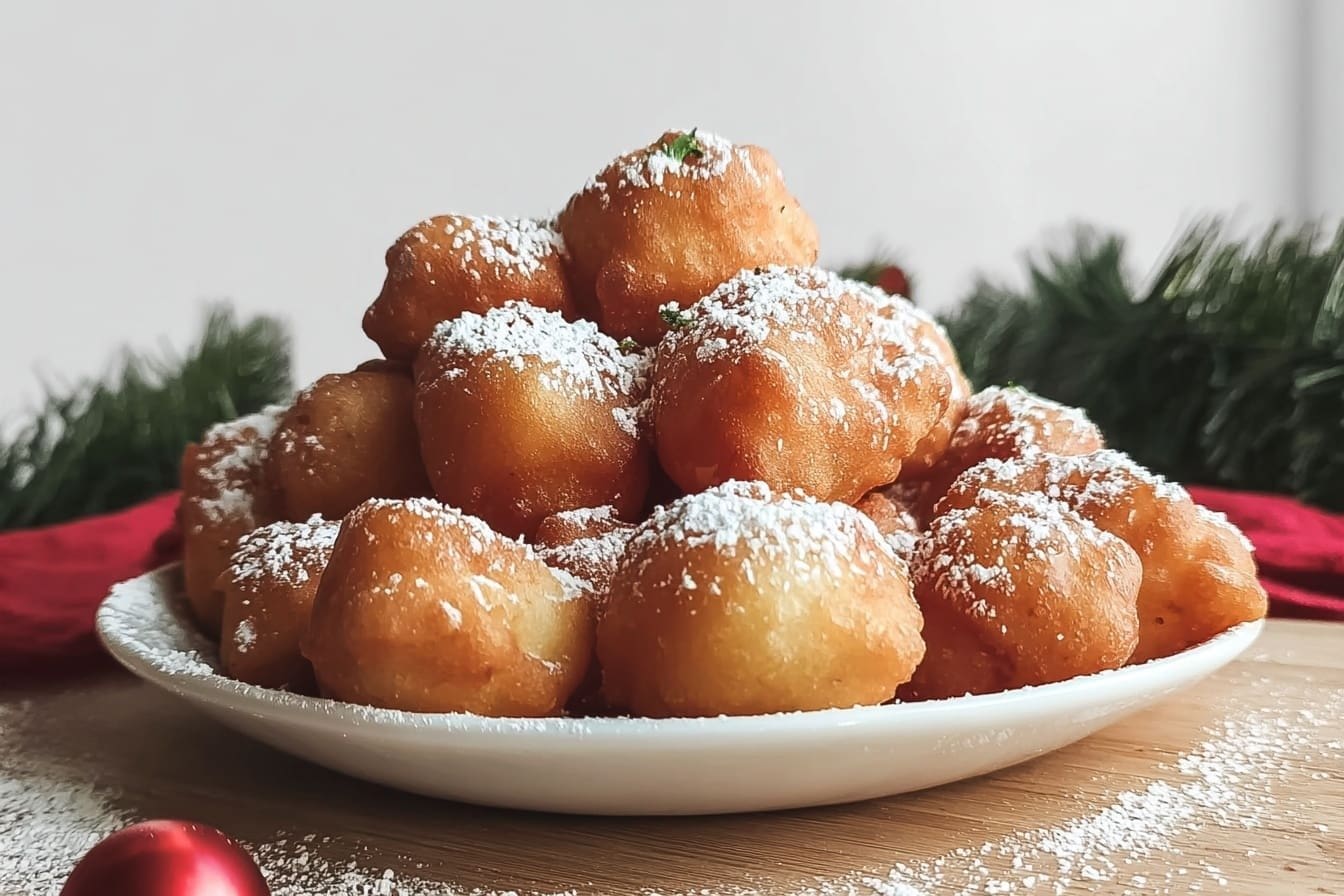
Belgian Croustillons are the kind of treat that brings people to the table fast. These small, round fritters are made from a light, yeasted batter, fried until golden brown, and finished with a sweet dusting of powdered sugar. They are crisp on the outside, soft and airy inside, and best served warm, which makes them perfect for fairs, markets, family gatherings, and cozy weekends at home.
- Easy preparation: The batter comes together with basic pantry ingredients and needs just one short rise, so the hands-on work stays simple.
- Light and satisfying: With a yeasted batter and a small portion size, Belgian Croustillons feel indulgent without being overly heavy.
- Flexible serving options: You can keep them classic with powdered sugar or serve them with chocolate sauce, caramel, whipped cream, fruit preserves, or honey.
- Distinctive flavor and texture: The combination of vanilla, warm yeast, and a crisp fried shell gives each bite a sweet, bakery-style taste that stands apart from ordinary doughnuts.
For readers who enjoy nostalgic fried treats, these fritters offer the same comfort as homemade donut holes, but with a Belgian fairground feel that makes them special for sharing.
Because they are quick to fry in batches, Belgian Croustillons also work well for busy parents, students, and anyone planning food for a crowd. They are easy to portion, simple to dust, and best served fresh, which fits the kind of warm, welcoming recipes many home cooks love to bring to gatherings.
Jump to:
- Why You’ll Love Belgian Croustillons
- Essential Ingredients for Belgian Croustillons
- Main Ingredients
- Special Dietary Options
- How to Prepare the Perfect Belgian Croustillons: Step-by-Step Guide
- First Step: Activate the yeast
- Second Step: Mix the dry ingredients
- Third Step: Combine the wet and dry ingredients
- Fourth Step: Let the batter rest
- Fifth Step: Heat the oil
- Sixth Step: Fry in small batches
- Seventh Step: Cook until golden brown
- Eighth Step: Drain and dust
- Final Step: Serve warm
- Belgian Croustillons Recipe Details
- Dietary Substitutions to Customize Your Belgian Croustillons
- Protein and Main Component Alternatives
- Vegetable, Sauce, and Seasoning Modifications
- Mastering Belgian Croustillons: Advanced Tips and Variations
- Pro cooking techniques
- Flavor variations
- Presentation tips
- Make-ahead options
- How to Store Belgian Croustillons: Best Practices
- Refrigeration
- Freezing
- Reheating
- Meal prep considerations
- Nutritional Information for Belgian Croustillons
- FAQs: Frequently Asked Questions About Belgian Croustillons
- What are Belgian croustillons?
- How do you make batter for Belgian croustillons?
- What temperature should oil be for frying Belgian croustillons?
- How long to fry Belgian croustillons?
- How should you serve Belgian croustillons?
- Belgian Croustillons
- Ingredients
- Instructions
- Last Step:
- Notes
- Nutrition
- Did you make this recipe?
Essential Ingredients for Belgian Croustillons
This recipe makes 4 servings and uses everyday ingredients to create a batter that puffs beautifully in hot oil. Each item plays a specific role in giving the fritters their light texture, mild sweetness, and golden finish.
Main Ingredients
- 250 g (2 cups) all-purpose flour: Builds the structure of the batter and helps the fritters hold their shape while frying.
- 10 g (2 teaspoons) granulated sugar: Adds a gentle sweetness and helps feed the yeast during the rise.
- 5 g (1 teaspoon) salt: Balances the sweetness and deepens the flavor.
- 7 g (2 1/4 teaspoons) active dry yeast: Creates the airy rise that makes Belgian Croustillons soft inside.
- 200 ml (3/4 cup) lukewarm milk: Activates the yeast and helps form a smooth batter.
- 1 egg: Adds richness, structure, and a tender crumb.
- 1 teaspoon vanilla extract: Gives the batter a warm, sweet aroma.
- 1 tablespoon melted butter: Adds richness and helps the fritters taste soft and bakery-like.
- Vegetable oil for frying: Provides the hot cooking medium that creates the crisp shell.
- Powdered sugar for dusting: Finishes the fritters with the classic sweet coating.
Special Dietary Options
- Vegan: Replace the egg with a flax egg, use plant-based milk, and swap the butter for melted vegan butter. The texture will still be soft and pleasant.
- Gluten-free: Use a 1:1 gluten-free flour blend designed for baking. The fritters may be a little more delicate, so handle the batter gently.
- Low-calorie: Serve smaller portions, dust lightly with powdered sugar, and drain thoroughly after frying to keep excess oil down.
| Ingredient | Amount | Purpose |
|---|---|---|
| All-purpose flour | 250 g (2 cups) | Creates the batter base |
| Active dry yeast | 7 g (2 1/4 teaspoons) | Gives lift and airiness |
| Lukewarm milk | 200 ml (3/4 cup) | Activates yeast |
| Vegetable oil | As needed | Frying medium |
| Powdered sugar | As needed | Classic finishing touch |
How to Prepare the Perfect Belgian Croustillons: Step-by-Step Guide
Belgian Croustillons are simple to make, but timing and temperature matter. Follow these steps carefully, and you will get fritters that are puffed, golden, and soft inside.
First Step: Activate the yeast
Dissolve 7 g of active dry yeast in 200 ml of lukewarm milk. Let it sit for about 5 minutes until the mixture looks foamy. That foam tells you the yeast is awake and ready to help the batter rise. The milk should feel warm, not hot, because very hot milk can damage the yeast.
Second Step: Mix the dry ingredients
In a large bowl, combine 250 g all-purpose flour, 10 g granulated sugar, and 5 g salt. Stir them together so the sweetness and salt are evenly spread through the flour. This small step helps the batter mix more smoothly later.
Third Step: Combine the wet and dry ingredients
Make a well in the center of the flour mixture. Add the foamy yeast mixture, 1 egg, 1 teaspoon vanilla extract, and 1 tablespoon melted butter. Mix until the batter looks smooth and slightly sticky. It should not be dry like bread dough, and it should not be runny like milk. A thick, spoonable batter gives the best shape in the oil.
For a batter with a little more flavor, some cooks add a splash of beer. That small addition can give the fritters a mild malty note, similar to what you may find in other traditional Belgian sweets from sources like research on yeast fermentation and fried dough texture.
Fourth Step: Let the batter rest
Cover the bowl with a kitchen towel and place it in a warm spot for 45 minutes. During this rest, the yeast begins working and the batter becomes lighter. This resting time helps the fritters puff better in the fryer, so do not rush it. If your kitchen is cool, place the bowl near a warm stove or inside an oven that is turned off but slightly warm.
Fifth Step: Heat the oil
Pour enough vegetable oil into a deep fryer or heavy-bottomed pot to allow the fritters to float. Heat the oil to 180°C, or 350°F. If you do not have a thermometer, test the oil by dropping in a small spoonful of batter. It should sizzle right away and float to the top. If it browns too fast, lower the heat a little. If it sinks and stays pale, the oil needs more time.
Sixth Step: Fry in small batches
Use a spoon or ice cream scoop to drop small portions of batter into the hot oil. Fry a few at a time so the oil stays close to the right temperature. Crowding the pot can lower the heat and make the fritters greasy instead of crisp.
Seventh Step: Cook until golden brown
Fry each batch for 3 to 4 minutes, turning occasionally so the fritters brown evenly on all sides. They should look puffed and deep golden when done. If they darken too quickly, reduce the heat slightly. If they seem pale after 4 minutes, give them a little more time.
Eighth Step: Drain and dust
Lift the fried dough balls out with a slotted spoon and place them on paper towels to drain. While they are still warm, dust them generously with powdered sugar. The sugar clings best when the fritters are fresh from the oil, giving them the classic sweet finish people expect from Belgian Croustillons.
Final Step: Serve warm
Serve immediately for the best texture. They are excellent plain, but they also taste wonderful with chocolate sauce, caramel, whipped cream, fruit preserves, or honey. For a party tray, set them on a platter and add small bowls of dips so everyone can choose their favorite.
Belgian Croustillons Recipe Details
| Category | Details |
|---|---|
| Prep time | 55 minutes |
| Cook time | 15 minutes |
| Total servings | 4 |
| Best served | Warm and fresh |
| Classic topping | Powdered sugar |
Dietary Substitutions to Customize Your Belgian Croustillons
Protein and Main Component Alternatives
Belgian Croustillons are built around flour, yeast, milk, and egg, but there are ways to adapt the batter for different needs. If you want to avoid eggs, use a flax egg or another egg replacer that works well in fried dough. If dairy is a concern, swap the milk for unsweetened oat milk or soy milk and use plant-based butter. The fritters will still rise and fry nicely, though the texture may be slightly different.
For gluten-free baking, choose a trusted gluten-free flour blend with a binder such as xanthan gum. A blend made for cakes or quick breads usually gives a softer bite than a single flour like rice flour. If you are trying to reduce fat, fry smaller portions so they cook quickly and drain more efficiently.
Vegetable, Sauce, and Seasoning Modifications
Even though Belgian Croustillons are usually sweet, they can take on different flavors depending on what you add. Apples bring a soft fruity bite, raisins add chewiness, and a splash of beer gives a deeper taste that pairs well with the yeast. You can also add a little cinnamon or grated lemon zest for a brighter note.
For serving, keep the classic powdered sugar, or add warm chocolate sauce, caramel, whipped cream, or fruit preserves. A honey drizzle works nicely for breakfast, while berry sauce gives them a fresh finish for dessert tables. These small changes make the fritters fit different seasons, events, and tastes.
Mastering Belgian Croustillons: Advanced Tips and Variations
Once you have made Belgian Croustillons once, a few small adjustments can help you get even better results. These fritters are simple, but good technique makes a clear difference in texture and taste.
Pro cooking techniques
Keep your milk lukewarm so the yeast wakes up properly. If the milk is too hot, the batter may not rise well. Let the batter rest in a warm place so it becomes airy and light. Fry in small batches to hold the oil temperature steady, and turn each fritter gently so it browns evenly.
Another useful habit is to dust the fritters with powdered sugar while they are still warm. This helps the sugar stick better and gives each piece its classic look. If you are serving a crowd, place the finished fritters on a warm tray and keep frying in batches so everything reaches the table hot.
Flavor variations
For a more rustic taste, add diced apples or raisins to the batter. If you want a richer flavor, use a splash of beer in place of part of the milk. Vanilla is traditional, but a little cinnamon, nutmeg, or citrus zest can also work well. These changes keep the spirit of Belgian Croustillons while letting you match the recipe to your family’s taste.
Presentation tips
Serve the fritters in a basket lined with parchment for a market-style look, or arrange them on a platter with dipping bowls in the center. A light shower of powdered sugar right before serving makes them look fresh and inviting. For a dessert table, pair them with other sweet favorites such as cinnamon sugar donut holes or fruit-forward treats like lemon bars for variety.
Make-ahead options
You can mix the batter earlier in the day and let it rest until you are ready to fry, but it is best served soon after cooking. If you need a head start for a gathering, measure the dry ingredients ahead of time and keep them sealed. You can also mix the batter, cover it well, and refrigerate it for a short time before frying, then bring it back toward room temperature so the yeast can work again.
How to Store Belgian Croustillons: Best Practices
Belgian Croustillons are at their best right after frying, but leftovers can still be handled well with a few simple steps. The goal is to keep them from becoming soggy or tough.
Refrigeration
Place cooled fritters in an airtight container and store them in the refrigerator for up to 1 day. Since fried dough loses crispness quickly, refrigeration is best for short storage only. Add a paper towel to the container to help absorb extra moisture.
Freezing
If you want to keep them longer, freeze the cooled fritters in a single layer on a tray first, then transfer them to a freezer-safe bag or container. This helps them keep their shape and prevents sticking. They will not taste exactly as fresh as newly fried ones, but freezing is a useful option for batch cooking.
Reheating
Reheat in a 180°C oven for about 2 minutes, just until warmed through and crisp again. Avoid microwaving, since it softens the exterior and makes the fritters chewy. A quick oven reheat works much better for bringing back some of the original texture.
Meal prep considerations
If you are making them for a gathering, fry close to serving time for the best results. You can still do useful prep ahead by measuring ingredients, making your dipping sauces, and setting up your frying station. That way, once the batter is rested, the final cooking goes smoothly and the fritters arrive hot.
Nutritional Information for Belgian Croustillons
| Nutrient | Per Serving |
|---|---|
| Calories | 317 kcal |
| Carbohydrates | 54 g |
| Protein | 10 g |
| Fat | 6 g |
| Saturated Fat | 3 g |
| Polyunsaturated Fat | 1 g |
| Monounsaturated Fat | 2 g |
| Trans Fat | 0.1 g |
| Cholesterol | 55 mg |
| Sodium | 60 mg |
| Potassium | 178 mg |
| Fiber | 2 g |
| Sugar | 5 g |
| Vitamin A | 230 IU |
| Vitamin C | 0.01 mg |
| Calcium | 80 mg |
| Iron | 3 mg |

FAQs: Frequently Asked Questions About Belgian Croustillons
What are Belgian croustillons?
Belgian croustillons are traditional fritters from Belgium, especially popular at fairs and markets in Wallonia. They’re small, round dough balls made from a yeasted batter that’s fried to create a crispy golden outside and a soft, airy inside. Typically dusted with powdered sugar, they offer a delightful contrast of textures. Originating as street food, croustillons date back centuries and are a staple during festivals. Unlike denser donuts, their lightness comes from yeast fermentation, which creates air pockets during frying. Each bite delivers a sweet, indulgent treat perfect for sharing. For authenticity, look for recipes using local Belgian beer in the batter to add subtle malt notes. They’re naturally gluten-containing but can be adapted. Pair with coffee for breakfast or as dessert after meals. (92 words)
How do you make batter for Belgian croustillons?
Start with 250g flour, 2 eggs, 50g sugar, 200ml milk, 7g yeast, and a pinch of salt. Dissolve yeast in warm milk (about 37°C), then mix with beaten eggs, sugar, and salt. Gradually add flour to form a smooth, pancake-like batter. Stir in 1 tsp vanilla extract or grated lemon zest for flavor, or substitute 50ml milk with Belgian beer for a malty twist. Cover and let rise in a warm spot for 1-2 hours until bubbly and doubled. The batter should be thick but droppable—add a splash of milk if needed. Avoid overmixing to keep it light. This simple process yields about 20-25 fritters. Prep ahead and refrigerate overnight for even better results. Test consistency by dropping a spoonful; it should hold shape slightly before spreading. (118 words)
What temperature should oil be for frying Belgian croustillons?
Heat neutral oil like vegetable or sunflower to 180°C (350°F) in a deep pot or fryer—use a thermometer for accuracy. Test readiness by dropping a small batter spoonful: it should sizzle immediately, sink briefly, then rise and puff without browning too fast. If it sinks without bubbling, oil’s too cool; if it browns instantly, it’s too hot. Maintain temperature by frying in small batches (4-5 at a time) to avoid dropping below 170°C. About 1-2 liters of oil suffices for home frying. Fry at this steady heat for even cooking, preventing greasy or raw centers. Pro tip: Place pot on medium heat and monitor every minute. Drain on paper towels post-fry to remove excess oil. This ensures crispy, golden croustillons every time. (112 words)
How long to fry Belgian croustillons?
Fry each batch for 3-4 minutes total, turning halfway with a slotted spoon for uniform golden browning. Drop batter by teaspoonfuls into hot oil; they’ll double in size as they cook. Look for puffed, deep gold color and floating steadily—internal temp should hit 75°C if checking. Don’t overcrowd; work in batches to hold oil temp. Fresh batter fries faster, so stir gently between scoops. If they darken too quick, lower heat slightly. Post-fry, drain 30 seconds on kitchen paper, then dust with powdered sugar while hot. Yields perfectly crisp exteriors without sogginess. Common mistake: undercooking leads to doughy middles—always fry till buoyant. Store uneaten ones in an airtight container up to 1 day; reheat in 180°C oven for 2 minutes to recrisp. Makes 20-25 fritters. (114 words)
How should you serve Belgian croustillons?
Serve croustillons warm right after frying for peak crispiness, generously dusted with icing sugar. Classic solo style highlights their airy texture, but elevate with dips like warm chocolate sauce, berry compote, or salted caramel. Top with whipped cream and fresh strawberries for a dessert parfait, or fill with pastry cream post-cooling for gourmet twists. In Belgium, they’re fair treats paired with hot chocolate or mulled wine. For breakfast, drizzle honey and add cinnamon. They’re vegan-adaptable with plant milk and egg replacer. Nutrition note: one fritter (30g) has about 120 calories, mostly from frying oil—enjoy moderately. Avoid microwaving; oven-reheat preserves crunch. Link these to your full recipe or variations like beer-infused for more ideas. Perfect for parties—scale up batter easily. (108 words)

Belgian Croustillons
🍩 Crispy golden Belgian Croustillons deliver a light, airy interior perfect for satisfying sweet cravings with minimal effort!
🥞 Authentic fairground treat dusted in powdered sugar – ideal for parties, snacks, or indulgent desserts the whole family loves!
- Total Time: 1 hour 10 minutes
- Yield: 4 servings
Ingredients
– 250 g (2 cups) all-purpose flour Builds the structure of the batter and helps the fritters hold their shape while frying.
– 10 g (2 teaspoons) granulated sugar Adds a gentle sweetness and helps feed the yeast during the rise.
– 5 g (1 teaspoon) salt Balances the sweetness and deepens the flavor.
– 7 g (2 1/4 teaspoons) active dry yeast Creates the airy rise that makes Belgian Croustillons soft inside.
– 200 ml (3/4 cup) lukewarm milk Activates the yeast and helps form a smooth batter.
– 1 egg Adds richness, structure, and a tender crumb.
– 1 teaspoon vanilla extract Gives the batter a warm, sweet aroma.
– 1 tablespoon melted butter Adds richness and helps the fritters taste soft and bakery-like.
– Vegetable oil for frying Provides the hot cooking medium that creates the crisp shell.
– Powdered sugar for dusting Finishes the fritters with the classic sweet coating.
Instructions
1-First Step: Activate the yeast Dissolve 7 g of active dry yeast in 200 ml of lukewarm milk. Let it sit for about 5 minutes until the mixture looks foamy. That foam tells you the yeast is awake and ready to help the batter rise. The milk should feel warm, not hot, because very hot milk can damage the yeast.
2-Second Step: Mix the dry ingredients In a large bowl, combine 250 g all-purpose flour, 10 g granulated sugar, and 5 g salt. Stir them together so the sweetness and salt are evenly spread through the flour. This small step helps the batter mix more smoothly later.
3-Third Step: Combine the wet and dry ingredients Make a well in the center of the flour mixture. Add the foamy yeast mixture, 1 egg, 1 teaspoon vanilla extract, and 1 tablespoon melted butter. Mix until the batter looks smooth and slightly sticky. It should not be dry like bread dough, and it should not be runny like milk. A thick, spoonable batter gives the best shape in the oil.
4-Fourth Step: Let the batter rest Cover the bowl with a kitchen towel and place it in a warm spot for 45 minutes. During this rest, the yeast begins working and the batter becomes lighter. This resting time helps the fritters puff better in the fryer, so do not rush it. If your kitchen is cool, place the bowl near a warm stove or inside an oven that is turned off but slightly warm.
5-Fifth Step: Heat the oil Pour enough vegetable oil into a deep fryer or heavy-bottomed pot to allow the fritters to float. Heat the oil to 180°C, or 350°F. If you do not have a thermometer, test the oil by dropping in a small spoonful of batter. It should sizzle right away and float to the top. If it browns too fast, lower the heat a little. If it sinks and stays pale, the oil needs more time.
6-Sixth Step: Fry in small batches Use a spoon or ice cream scoop to drop small portions of batter into the hot oil. Fry a few at a time so the oil stays close to the right temperature. Crowding the pot can lower the heat and make the fritters greasy instead of crisp.
7-Seventh Step: Cook until golden brown Fry each batch for 3 to 4 minutes, turning occasionally so the fritters brown evenly on all sides. They should look puffed and deep golden when done. If they darken too quickly, reduce the heat slightly. If they seem pale after 4 minutes, give them a little more time.
8-Eighth Step: Drain and dust Lift the fried dough balls out with a slotted spoon and place them on paper towels to drain. While they are still warm, dust them generously with powdered sugar. The sugar clings best when the fritters are fresh from the oil, giving them the classic sweet finish people expect from Belgian Croustillons.
9-Final Step: Serve warm Serve immediately for the best texture. They are excellent plain, but they also taste wonderful with chocolate sauce, caramel, whipped cream, fruit preserves, or honey. For a party tray, set them on a platter and add small bowls of dips so everyone can choose their favorite.
Last Step:
Please leave a rating and comment letting us know how you liked this recipe! This helps our business to thrive and continue providing free, high-quality recipes for you.Notes
🌡️ Use lukewarm milk to properly activate the yeast for maximum fluffiness.
😌 Rest the batter in a warm spot to develop that perfect light, airy texture.
🔥 Fry in small batches to keep the oil temperature steady for even crisping.
- Prep Time: 55 minutes
- Cook Time: 15 minutes
- Category: Dessert
- Method: Deep Frying
- Cuisine: Belgian
- Diet: Vegetarian
Nutrition
- Serving Size: 8-10 dough balls
- Calories: 317 kcal
- Sugar: 5g
- Sodium: 60mg
- Fat: 6g
- Saturated Fat: 3g
- Unsaturated Fat: 3g
- Trans Fat: 0g
- Carbohydrates: 54g
- Fiber: 2g
- Protein: 10g
- Cholesterol: 55mg


