

Benefits and Advantages of Beetroot Bread
Beetroot bread offers numerous benefits that make it a standout choice for health-conscious bakers and food lovers alike. One of the primary advantages of this recipe is its ease of preparation, making it accessible even for beginners. The bread’s natural sweetness and vibrant pink or red color come from fresh beetroot, providing a nutritious boost rich in antioxidants, vitamins, and fiber.
This soft, fluffy loaf is ideal for those who want a wholesome alternative to traditional bread. The beetroot enhances flavor subtly and contributes to improved cardiovascular health and digestion. Its moist, hearty texture combines the fiber and natural sugars from beets with flour and milk, creating a tender crumb that appeals to many palates.
Another important feature is its versatility. Beetroot bread can be adapted easily for various dietary needs, making it a great option for vegans, gluten-free enthusiasts, and calorie-conscious eaters. This unique combination of taste, nutritional value, and simplicity differentiates beetroot bread from other recipes, making it both a delicious and functional addition to your meals.
Learn more about the health benefits of beetroot and why it’s a powerful ingredient for nutritious baking.
Jump to:
- Benefits and Advantages of Beetroot Bread
- Essential Ingredients for Beetroot Bread
- Dietary Substitutions to Customize Your beetroot bread
- How to Prepare the Perfect beetroot bread: Step-by-Step Guide
- Mastering beetroot bread: Advanced Tips and Variations
- How to Store beetroot bread: Best Practices
- Nutritional Value of beetroot bread
- FAQs: Frequently Asked Questions About beetroot bread
- Can I use sourdough starter instead of yeast for making beetroot bread?
- How do I keep beetroot bread red after baking?
- Can I make beetroot bread in a bread machine, and do I need to adjust anything?
- What’s the best way to prepare beets before adding them to bread dough?
- Can plant-based milk be used instead of dairy milk in beetroot bread to keep its color?
- Beet Bread Recipe: How to Make Vibrant and Moist Pink Beet Bread
- Ingredients
- Instructions
- Last Step:
- Notes
- Nutrition
- Did you make this recipe?
Essential Ingredients for Beetroot Bread
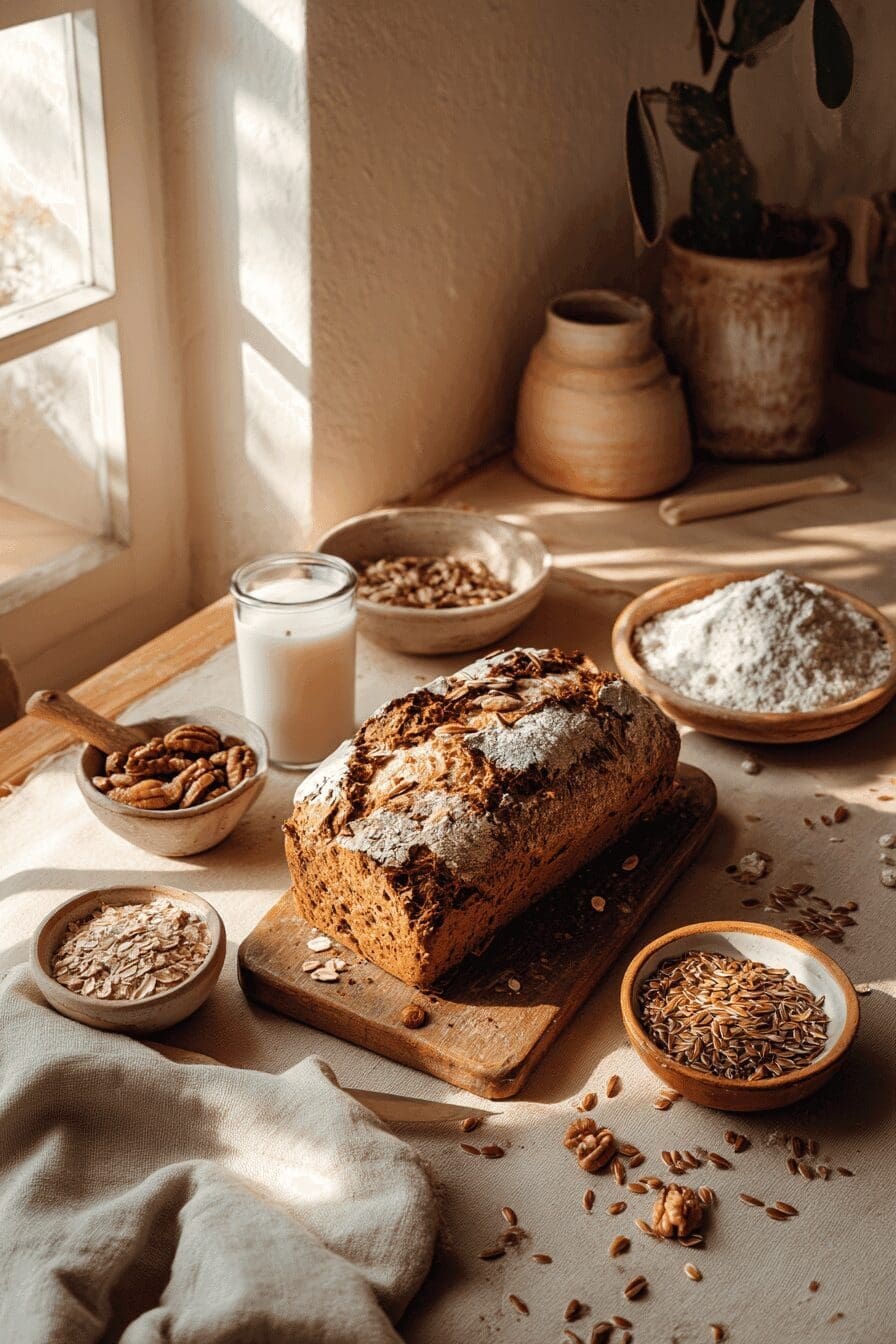
The ingredients selected for beetroot bread not only build flavor and texture but also enhance its health qualities. Below is a clear, detailed list of the essential ingredients you’ll need:
- 150 ml whole milk (plant-based milk options may be used but note they can affect color)
- 2 teaspoons instant yeast (or 2.5 teaspoons active dry yeast, or 17.5 grams fresh yeast)
- 1 teaspoon sugar (can substitute with honey or syrup)
- 350 grams bread flour or all-purpose flour (about 3 cups)
- 150 grams boiled and mashed beets (approximately 2 to 3 medium beets; roughly 1 cup mashed)
- 1.5 to 2 teaspoons salt
- Extra milk for brushing the loaf before baking
- Optional: 2 tablespoons olive oil or a drizzle (for dough or to grease baking vessel)
- Optional: 2 tablespoons orange zest (helps preserve color and adds a subtle flavor)
| Ingredient | Role in Bread |
|---|---|
| Milk | Provides moisture, tenderness; helps maintain beet color |
| Yeast | Leavens bread, creating soft and airy texture |
| Sugar | Feeds yeast and adds subtle sweetness |
| Flour | Provides structure and bulk |
| Mashed Beets | Gives natural color, moisture, fiber, and gentle sweetness |
| Salt | Balances flavor and regulates yeast activity |
| Olive Oil (optional) | Enhances texture and crust softness |
| Orange Zest (optional) | Preserves vibrant color; adds a fresh aroma |
For tips on baking with different flours, check out our guide on baking with whole wheat and gluten-free flours which offers helpful advice for adapting your recipes.
Dietary Substitutions to Customize Your beetroot bread
Customizing beetroot bread to suit various dietary needs is straightforward with several substitution options. For gluten-free baking, replace traditional wheat flour with a certified gluten-free flour blend, ensuring the bread remains fluffy and moist. Vegans can substitute eggs with flaxseed or chia seed gels, which mimic egg binding properties without compromising texture.
Those with dairy sensitivities may use plant-based milk such as almond, soy, or oat milk instead of cow’s milk. To lower calorie content, reduce or omit added sweeteners and use oil sparingly or replace with unsweetened applesauce. For additional protein, incorporate nuts or seeds like walnuts or sunflower seeds into the dough.
These modifications ensure the beetroot bread remains inclusive and adaptable, allowing everyone to enjoy its health benefits and rich flavor regardless of dietary restrictions or ingredient availability.

How to Prepare the Perfect beetroot bread: Step-by-Step Guide
First Step: Prepare the beetroot by washing, peeling, and grating it finely. This fresh beetroot will infuse the bread with moisture and natural color.
Second Step: In a large mixing bowl, combine the grated beetroot with warm plant-based milk, active dry yeast, and a touch of sweetener. Allow this mixture to activate for 5-10 minutes until frothy, indicating the yeast is alive. This step is essential for leavening and can be adjusted for vegan diets by using agave syrup as the sweetener.
Third Step: Gradually add in your choice of flour (whole wheat or gluten-free blend), salt, and olive oil. Mix thoroughly to form a sticky dough, adding more flour if needed to achieve the right consistency.
Fourth Step: Knead the dough on a floured surface for about 8-10 minutes to develop gluten or the structure of your chosen flour. For gluten-free versions, kneading time may be reduced to avoid overworking the dough.
Fifth Step: Place the dough in a lightly oiled bowl, cover it with a damp cloth, and let it rise in a warm place for about 1-2 hours, or until doubled in size. This resting period allows the yeast to ferment, crucial for texture and flavor.
Sixth Step: Punch down the dough gently to release excess air and shape it into a loaf. For dietary customizations, add nuts, seeds, or herbs at this stage.
Seventh Step: Transfer the shaped dough to a greased or lined baking pan and cover again, allowing a final proofing for 30-45 minutes.
Eighth Step: Preheat the oven to 180°C (350°F). Bake the bread for 35-45 minutes or until the crust turns golden brown and a skewer inserted comes out clean. Adjust timing slightly for dense gluten-free loaves.
Ninth Step: Remove the bread from the oven and let it cool completely on a wire rack before slicing. This final step ensures the crumb sets properly and enhances the flavor and texture.
These steps highlight the preparation of beetroot bread, incorporating tips for various dietary needs and preferences, making the recipe adaptable and approachable.
Mastering beetroot bread: Advanced Tips and Variations
To master beetroot bread, it’s important to understand a few advanced tips and explore variations. Ensure beetroot is finely grated or even pureed for a smoother texture and more uniform color distribution throughout the bread. Experiment with adding spices such as cinnamon or nutmeg to complement the natural sweetness of beetroot.
For a richer flavor, substitute some flour with rye or spelt flour, which adds depth and complexity. Incorporating nuts like walnuts or seeds such as pumpkin or sunflower seeds enhances texture and nutritional value. For savory variations, reduce sweeteners and add herbs like rosemary or thyme along with garlic powder.
To improve the bread’s shelf life, add a tablespoon of apple cider vinegar or lemon juice which helps preserve freshness. Keep in mind that using gluten-free flour blends requires a balance of starches and gums; experimenting with xanthan gum or psyllium husk can help improve crumb structure.
These subtle adjustments allow bakers to perfect the beetroot bread according to personal taste and dietary needs, ensuring a unique and satisfying result every time.
How to Store beetroot bread: Best Practices
Proper storage is key to maintaining the freshness and flavor of beetroot bread. For short-term storage, keep the bread in an airtight container or wrap it tightly in plastic wrap or aluminum foil at room temperature for up to 2 days. To extend its shelf life, refrigerate the bread wrapped well to prevent it from drying out, which can keep it fresh for about a week.
For longer storage, freeze the bread by slicing it first, then placing slices in a zip-lock bag or freezer-safe container, separated by parchment paper to avoid sticking. Frozen beetroot bread can be stored up to 3 months. When ready to eat, thaw the slices at room temperature or toast them directly from frozen for convenience.
Reheating beetroot bread in a toaster or oven helps revive the crust’s crispness and enhances flavor, ensuring enjoyable consumption long after baking.
Nutritional Value of beetroot bread
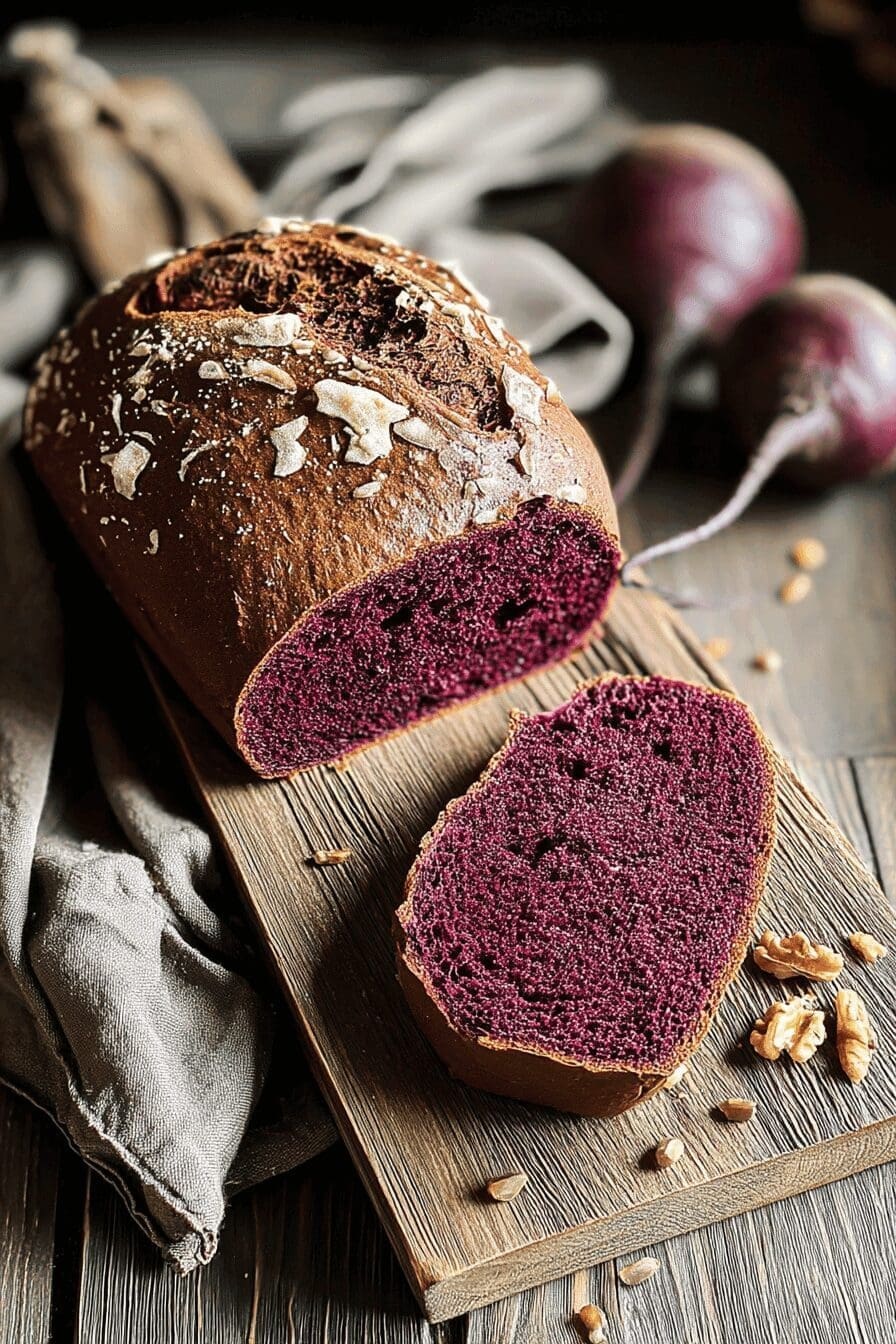
Beetroot bread is not only delicious but also packed with nutritional benefits. A typical slice provides a balanced mix of macronutrients, with moderate calories mainly derived from carbohydrates and healthy fats. The vibrant beetroot contributes essential dietary fiber, supporting digestive health and aiding in blood sugar regulation.
Rich in antioxidants like betalains, beetroot offers anti-inflammatory properties that may benefit cardiovascular health. Protein content varies depending on added ingredients such as seeds or nuts, enhancing satiety and muscle maintenance. The bread is naturally low in saturated fat and can be made gluten-free to accommodate sensitivities.
Vitamins such as folate, vitamin C, and minerals including potassium and manganese are abundant, making beetroot bread a nourishing choice. By incorporating whole or alternative flours and natural sweeteners, the bread can fit into low-calorie and clean-eating diets while providing a wholesome energy boost.
FAQs: Frequently Asked Questions About beetroot bread
Can I use sourdough starter instead of yeast for making beetroot bread?
Yes, you can substitute sourdough starter for yeast in beetroot bread recipes. Keep in mind that sourdough fermentation takes longer, so allow extra rising time—often twice as long. Since sourdough hydration levels vary, you may need to adjust the amount of flour to achieve the right dough consistency. Adding a small amount of yeast can help speed up rising if desired.
How do I keep beetroot bread red after baking?
Beetroot’s red pigment, betanin, breaks down with heat and affects the bread’s color. To keep the bread red, create a slightly acidic environment by adding ingredients like milk or citrus zest to the dough. This lowers the pH, helping preserve the vibrant color during baking. Avoid high baking temperatures that can cause color fading.
Can I make beetroot bread in a bread machine, and do I need to adjust anything?
Yes, beetroot bread can be made in a bread machine. Since it is similar to a basic white loaf with added pureed beets, no major changes are needed. Make sure your machine can handle a 1.5 to 2-pound loaf. Add the beet puree as you would any wet ingredient and select a basic or whole wheat program to bake.
What’s the best way to prepare beets before adding them to bread dough?
The best method is to boil small whole beets until tender, about 30-40 minutes depending on size. Let them cool, then peel off the skins easily by rubbing. Mash the cooked beets into a smooth puree to ensure even color and moisture distribution in the dough.
Can plant-based milk be used instead of dairy milk in beetroot bread to keep its color?
Plant-based milks like almond or soy generally have a higher pH than dairy milk and do not preserve beetroot’s color as well. Dairy milk’s mild acidity helps maintain the red color during baking, so for best color retention, dairy milk is preferred. If using plant-based milk, consider adding an acid like lemon juice or vinegar to compensate.
Beet Bread Recipe: How to Make Vibrant and Moist Pink Beet Bread
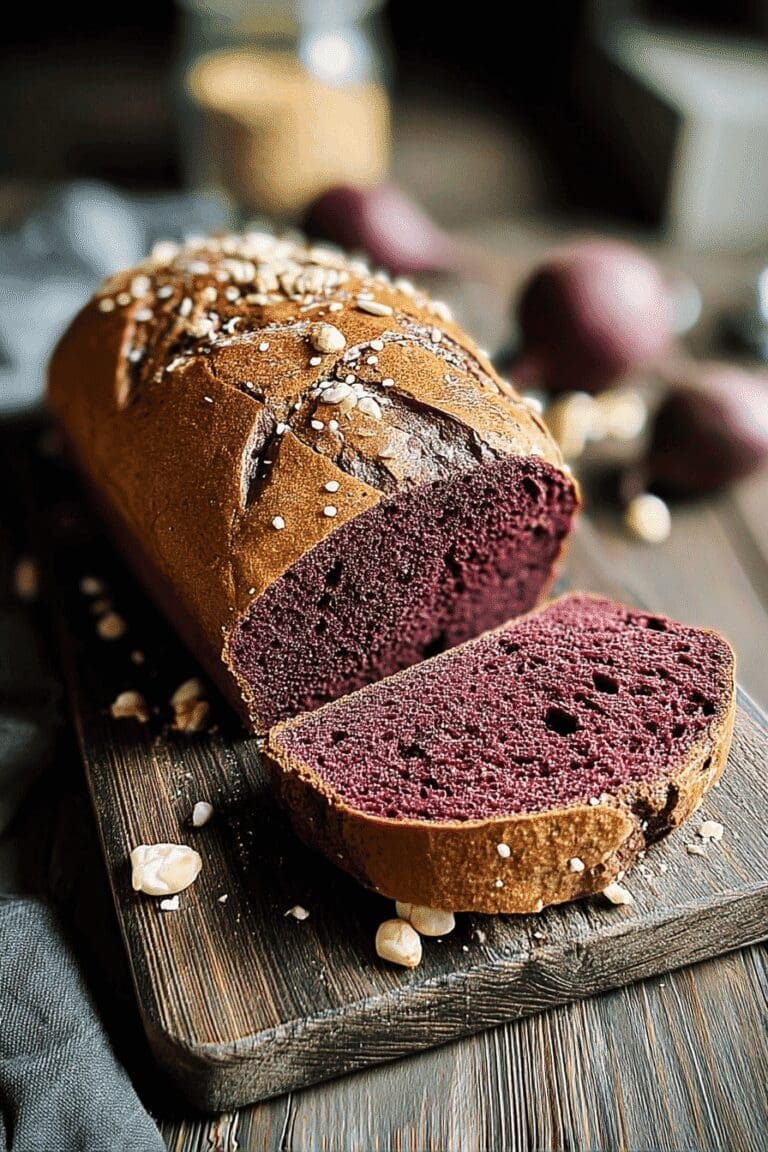
🍞 Experience vivid color in every slice with this Beet Bread recipe. Perfect for adding a splash of color to any meal!
🌿 Naturally sweet and moist, it transforms your standard loaf into a culinary delight fit for sweet or savory creations.
- Total Time: 2 hours 45 minutes
- Yield: 1 loaf 1x
Ingredients
150 ml milk (whole milk recommended; plant-based milk may be used but can affect color)
2 teaspoons instant yeast (or 2.5 teaspoons active dry yeast / 17.5 grams fresh yeast)
1 teaspoon sugar (or honey/syrup substitute)
350 grams bread flour or all-purpose flour (about 3 cups)
150 grams boiled and mashed beets (roughly 2 to 3 medium beets; about 1 cup mashed)
1.5 to 2 teaspoons salt
Extra milk for brushing the loaf before baking
Optional: 2 tablespoons olive oil or a drizzle of oil (for dough or baking vessel)
Optional: 2 tablespoons orange zest (to preserve color and add flavor)
Instructions
1. Prepare beets by washing, trimming, and boiling whole or chopped in cold water for about 20 minutes until tender. Cool, peel by rubbing with a paper towel, and mash to a smooth consistency. Set aside to cool fully.
2. Warm the milk to finger temperature. Mix in sugar and yeast (skip if using instant yeast), and let it rest until frothy, about 5 to 10 minutes.
3. In a large mixing bowl or stand mixer, combine flour, salt, and mashed beets. Add in the yeast mixture and gently mix until incorporated. Knead the dough by hand or with a stand mixer fitted with a dough hook for 10 minutes until smooth and elastic, adding small amounts of flour or water if needed to achieve the right dough consistency.
4. Place dough in a lightly oiled bowl, cover, and let rise in a warm spot for about 45 minutes or until doubled in size.
5. Prepare a loaf pan by oiling or lining with parchment paper. Shape the dough into a tight rectangle, roll along the short side, pinch the seam closed, and place seam down into the pan. Cover and allow to rise again for 45 minutes until doubled.
6. Preheat the oven to 350°F (176°C). Brush the loaf with milk or a bit of oil for a golden crust.
7. Bake the bread for roughly 30 to 35 minutes until golden and hollow-sounding when tapped. If desired, use a Dutch oven for baking with the lid on for the first 30 minutes for a soft crust.
8. Cool the bread on a rack for at least 30 minutes before slicing to ensure even crumb and avoid a dense center.
Last Step:
Please leave a rating and comment letting us know how you liked this recipe! This helps our business to thrive and continue providing free, high-quality recipes for you.Notes
📏 Use a digital scale for precise ingredient measurement to get consistent texture and baking times.
🧤 The beet juice can stain hands and surfaces, so gloves and prompt clean-up are recommended.
🍊 The pigment betanin, which gives the beet its color, is sensitive to heat and alkaline conditions. Using milk instead of water and adding acidifiers like orange zest can help preserve the vivid color.
- Prep Time: 40 minutes
- Rising/Resting: 1 hour 30 minutes
- Cook Time: 30 to 35 minutes
- Category: Bread
- Method: Baking
- Cuisine: American
- Diet: Vegetarian
Nutrition
- Serving Size: 1 slice
- Calories: 150
- Sugar: 3g
- Sodium: 230mg
- Fat: 3g
- Saturated Fat: 1g
- Unsaturated Fat: 2g
- Trans Fat: 0g
- Carbohydrates: 27g
- Fiber: 2g
- Protein: 5g
- Cholesterol: 5mg


