

Why You’ll Love This Beef Stew
- Ease of preparation: This beef stew recipe is designed with simplicity in mind, featuring straightforward steps and a moderate cooking time. Whether you’re a beginner or seasoned cook, you can easily bring this hearty meal together without spending endless hours in the kitchen.
- Health benefits: Made with nutrient-dense ingredients like lean beef chuck, fresh vegetables, and aromatic herbs, this beef stew delivers a well-balanced mix of protein, vitamins, and minerals. It supports a wholesome diet and can be tailored for heart-healthy or low-fat options.
- Versatility: This recipe adapts to various dietary requirements and preferences. Gluten-free, low-calorie, or even vegan versions can be crafted with simple substitutions, allowing the traditional hearty flavors of beef stew to suit multiple lifestyles and cooking methods.
- Distinctive flavor: Combining slow-cooked, tender beef with fragrant herbs, spices, and the perfect blend of vegetables, this beef stew offers a depth of flavor that is both comforting and memorable. The rich, savory broth infused with rosemary, bay leaf, and Worcestershire sauce distinguishes it from other stews.
Jump to:
- Why You’ll Love This Beef Stew
- Essential Ingredients for Beef Stew
- Special Dietary Options
- How to Prepare the Perfect Beef Stew: Step-by-Step Guide
- First Step: Prepare Your Ingredients
- Second Step: Coat and Brown the Beef
- Third Step: Sauté the Vegetables
- Fourth Step: Deglaze and Simmer
- Fifth Step: Add Root Vegetables and Cook Further
- Sixth Step: Thicken the Stew
- Final Step: Finish and Serve
- Dietary Substitutions to Customize Your Beef Stew
- Protein and Main Component Alternatives
- Vegetable, Sauce, and Seasoning Modifications
- Mastering Beef Stew: Advanced Tips and Variations
- How to Store Beef Stew: Best Practices
- FAQs: Frequently Asked Questions About Beef Stew
- What is the best way to thicken beef stew if it’s too watery?
- Can I freeze leftover beef stew and how should I reheat it?
- What are the best cuts of beef to use in stew for tender meat?
- Is it necessary to sear the beef before adding it to the stew?
- Can I add peas or other vegetables at the start of cooking beef stew?
- Beef Stew
- Ingredients
- Instructions
- Last Step:
- Notes
- Nutrition
- Did you make this recipe?
Essential Ingredients for Beef Stew
- 2 to 3 pounds stewing beef or beef chuck, trimmed and cut into 1- to 1½-inch cubes – provides tender, flavorful protein.
- 3 tablespoons all-purpose flour – coats the beef to help thicken the stew.
- ½ teaspoon garlic powder (or 4 cloves garlic, minced) – adds aromatic depth.
- ½ teaspoon salt (adjust to taste) – essential seasoning.
- ½ teaspoon black pepper (or to taste) – enhances overall flavor.
- 3 to 6 tablespoons olive oil, divided – for browning beef and sautéing vegetables.
- 1 to 2 medium onions, chopped or cut into 1-inch chunks – adds sweetness and savoriness.
- 6 cups beef broth (plus optional bouillon cubes for added flavor) – forms the flavorful base.
- ½ to 1 cup dry red wine (optional; can substitute with beef broth and red grape juice plus 2 tablespoons red wine vinegar) – enhances richness.
- 1 pound potatoes, peeled and cubed or halved (baby Yukon gold or small white potatoes preferred) – provides hearty texture.
- 4 to 5 large carrots, cut into 1-inch pieces – adds natural sweetness and color.
- 4 ribs celery, cut into 1-inch pieces (optional) – contributes aromatic flavor.
- 3 tablespoons tomato paste – deepens acidity and richness.
- 1 bay leaf – imparts subtle earthy notes.
- 1 teaspoon dried rosemary (or 1 sprig fresh rosemary) – offers herbal brightness (alternative: dried thyme or oregano).
- 1½ teaspoons sugar (optional) – balances acidity.
- ¾ to 1 cup peas (frozen or fresh), added near the end – adds color and sweetness.
- 2 tablespoons Worcestershire sauce (optional) – adds depth and umami.
- 2 tablespoons cornstarch – for thickening.
- 2 to 3 tablespoons water (for cornstarch slurry) – assists in thickening.
- 2 to 3 tablespoons cold butter (optional) – finishing richness.
- Fresh parsley, chopped (optional) – garnish for freshness and presentation.
Special Dietary Options
- Vegan: Swap beef with hearty vegetables like mushrooms or use plant-based meat substitutes, and replace beef broth with vegetable broth.
- Gluten-free: Use gluten-free flour or cornstarch to thicken the stew and confirm broth and seasonings are gluten-free.
- Low-calorie: Use lean cuts of beef or turkey, reduce oil usage, and increase the vegetable ratio for a lighter stew.
How to Prepare the Perfect Beef Stew: Step-by-Step Guide
First Step: Prepare Your Ingredients
Start by trimming and cutting 2 to 3 pounds of stewing beef into cubes about 1 to 1½ inches in size. Chop onions, celery, carrots, and potatoes into uniform pieces for even cooking. Measure out spices, broth, and liquids so everything is ready to go.
Second Step: Coat and Brown the Beef
Mix 3 tablespoons of all-purpose flour with garlic powder, salt, and black pepper in a large bowl. Toss the beef cubes well to coat. Heat 1 to 3 tablespoons of olive oil in a heavy pot or Dutch oven on medium-high heat. Brown the beef in batches, about 4-5 minutes per batch, removing excess flour before searing. Set browned beef aside.
Third Step: Sauté the Vegetables
In the same pot, add olive oil if needed. Sauté chopped onions and celery (if using) over medium heat until softened, about 3-5 minutes. Add minced fresh garlic and cook another minute. Stir in 3 tablespoons of tomato paste and cook briefly to deepen flavors.
Fourth Step: Deglaze and Simmer
Deglaze the pot with ½ to 1 cup of dry red wine or substitute with beef broth and red grape juice plus red wine vinegar, scraping up browned bits from the bottom. Add 6 cups of beef broth (and water if using), Worcestershire sauce, bay leaf, dried rosemary, and sugar. Return browned beef and juices to the pot. Bring to a simmer, cover, and cook gently on low heat on the stovetop or in a 325°F oven for 2 to 3 hours until beef is tender.
Fifth Step: Add Root Vegetables and Cook Further
Add cubed potatoes and carrot pieces to the stew. Cover and cook for another 1 to 1½ hours until the vegetables and beef are fork-tender.
Sixth Step: Thicken the Stew
Remove the bay leaf and rosemary stems. Mix 2 tablespoons cornstarch with 2 to 3 tablespoons cold water to form a slurry. Slowly stir this into the boiling stew, cooking for 1-2 minutes until thickened and glossy.
Final Step: Finish and Serve
Stir in peas and simmer 5-10 minutes until heated through. Optionally, swirl in cold butter for extra richness before tasting and adjusting seasoning with salt and pepper. Garnish with chopped fresh parsley and serve hot with crusty bread or crackers.
Dietary Substitutions to Customize Your Beef Stew
Protein and Main Component Alternatives
- Replace beef with plant-based meat substitutes or mushrooms for a vegan version.
- Use turkey or chicken breast for a leaner protein option.
- For pescatarian variations, substitute shrimp or fish towards the end of cooking.
Vegetable, Sauce, and Seasoning Modifications
- Swap potatoes with sweet potatoes, turnips, or parsnips for seasonal variety.
- Replace tomato paste with roasted red pepper puree for a milder, sweeter flavor.
- Adjust herbs by experimenting with thyme, oregano, or bay leaves to match personal preference.
- Use smoked paprika or cayenne pepper to add smoky depth or heat.
- In gluten-free cooking, use cornstarch or arrowroot instead of flour for thickening.
Mastering Beef Stew: Advanced Tips and Variations
- Pro cooking techniques: Brown the meat in batches for optimal caramelization; use a heavy-bottomed pot or Dutch oven for even heat distribution. Slow cook or pressure cook to save time while achieving tender meat.
- Flavor variations: Try incorporating mushrooms or parsnips to add earthiness. Fresh rosemary, bay leaves, or smoked paprika can customize your stew’s character.
- Presentation tips: Serve in rustic bowls with a garnish of fresh parsley and a drizzle of good olive oil. Pair with crusty bread or creamy mashed potatoes for a hearty meal.
- Make-ahead options: Prepare the stew a day ahead to allow flavors to meld. Reheat gently for a comforting, ready-to-go meal. Freeze in portions for future convenience.
How to Store Beef Stew: Best Practices
- Refrigeration: Let stew cool to room temperature, then store in airtight containers in the fridge for 3-4 days.
- Freezing: Portion into freezer-safe bags or containers with room to expand. Freeze for up to 3 months.
- Reheating: Thaw overnight in the refrigerator. Reheat on the stovetop over low heat, stirring frequently to avoid scorching.
- Meal prep considerations: Batch cook and freeze in single servings for quick meals. Label containers with preparation dates to track freshness.
FAQs: Frequently Asked Questions About Beef Stew
What is the best way to thicken beef stew if it’s too watery?
To thicken beef stew, you can mash some cooked vegetables like potatoes or carrots directly into the stew for a natural thickening effect. Another common method is to stir in a cornstarch slurry made by mixing equal parts cornstarch and cold water, then gradually adding it to the simmering stew while stirring until it reaches your preferred thickness. Let the stew simmer for 1–2 minutes after adding the slurry to remove any starchy taste.
Can I freeze leftover beef stew and how should I reheat it?
Yes, beef stew freezes well. Portion it into airtight containers or freezer bags, removing as much air as possible. Freeze for up to 3 months. When ready to eat, thaw overnight in the refrigerator. Reheat gently on the stovetop over medium-low heat, stirring occasionally until heated through. Avoid reheating multiple times to maintain texture and flavor.
What are the best cuts of beef to use in stew for tender meat?
Chuck roast is the top choice for beef stew because the marbling and connective tissue break down during slow cooking, resulting in tender, flavorful meat. Other good options include rump roast and bottom round. Avoid lean cuts, as they tend to dry out and become tough when simmered for long periods.
Is it necessary to sear the beef before adding it to the stew?
Searing beef before stewing is recommended as it adds a rich, browned flavor and enhances the stew’s overall taste. Browning the meat also helps develop a flavorful base when you sauté onions and garlic with the beef drippings. However, if short on time, you can add the raw, floured beef directly to a slow cooker; the stew will still turn out tasty though slightly less rich.
Can I add peas or other vegetables at the start of cooking beef stew?
Peas and delicate vegetables should be added in the last 5–10 minutes of cooking to preserve their bright color and texture. Hardier vegetables like carrots, potatoes, and celery can be added at the beginning to cook thoroughly. Including a variety of vegetables allows you to customize the stew to your taste while maintaining good texture throughout.
Beef Stew
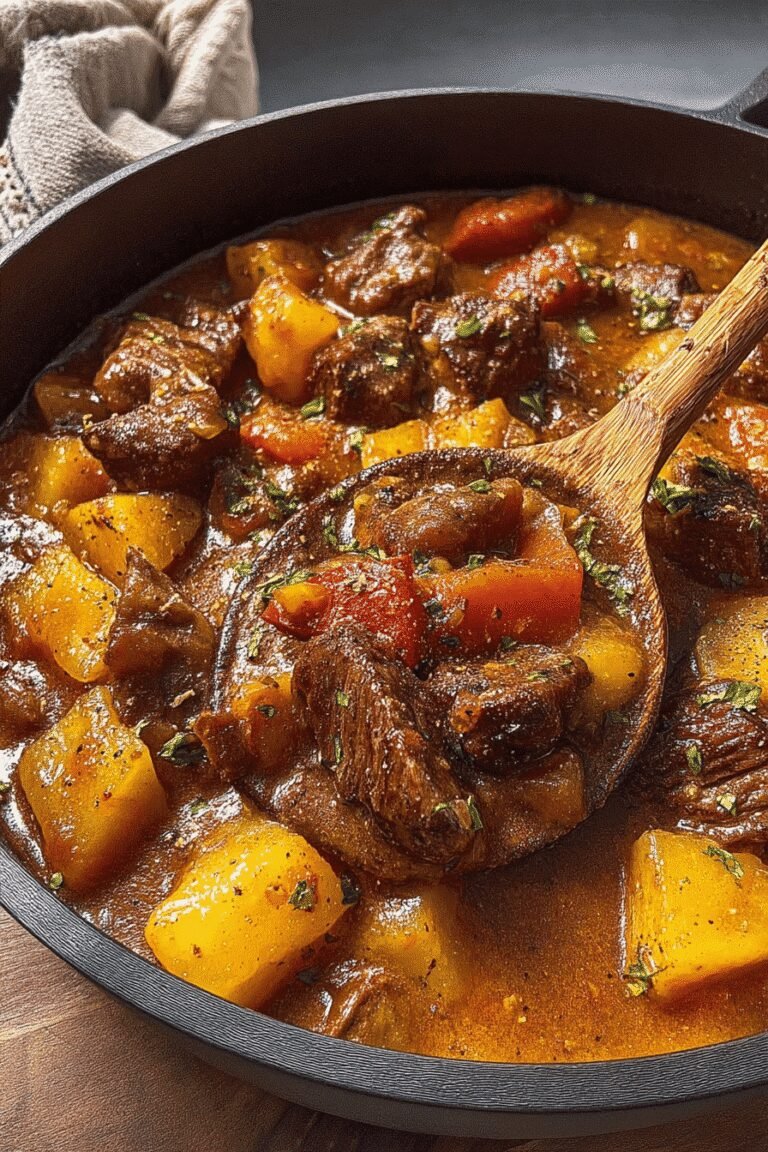
🍲 Enjoy the comforting warmth of homemade Beef Stew, perfect for cozy evenings and family gatherings.
🥖 Packed with hearty vegetables and tender beef, it’s a satisfying meal that pairs beautifully with crusty bread or biscuits.
- Total Time: 3 hours
- Yield: 6 to 8 servings 1x
Ingredients
2 to 3 pounds stewing beef or beef chuck for tender, flavorful protein
3 tablespoons all-purpose flour for thickening
½ teaspoon garlic powder for aromatic depth
½ teaspoon salt
½ teaspoon black pepper
3 to 6 tablespoons olive oil for browning beef and sautéing vegetables
1 to 2 medium onions adds sweetness and savoriness
6 cups beef broth
½ to 1 cup dry red wine for richness
1 pound potatoes provides hearty texture
4 to 5 large carrots adds natural sweetness and color
4 ribs celery contributes aromatic flavor
3 tablespoons tomato paste deepens acidity and richness
1 bay leaf
1 teaspoon dried rosemary offers herbal brightness
1½ teaspoons sugar balances acidity
¾ to 1 cup peas adds color and sweetness
2 tablespoons Worcestershire sauce for depth and umami
2 tablespoons cornstarch for thickening
2 to 3 tablespoons water for thickening
2 to 3 tablespoons cold butter for finishing richness
Fresh parsley
Instructions
First Step: Prepare Your Ingredients
Start by trimming and cutting 2 to 3 pounds of stewing beef into cubes about 1 to 1½ inches in size. Chop onions, celery, carrots, and potatoes into uniform pieces for even cooking. Measure out spices, broth, and liquids so everything is ready to go.
Second Step: Coat and Brown the Beef
Mix 3 tablespoons of all-purpose flour with garlic powder, salt, and black pepper in a large bowl. Toss the beef cubes well to coat. Heat 1 to 3 tablespoons of olive oil in a heavy pot or Dutch oven on medium-high heat. Brown the beef in batches, about 4-5 minutes per batch, removing excess flour before searing. Set browned beef aside.
Third Step: Sauté the Vegetables
In the same pot, add olive oil if needed. Sauté chopped onions and celery (if using) over medium heat until softened, about 3-5 minutes. Add minced fresh garlic and cook another minute. Stir in 3 tablespoons of tomato paste and cook briefly to deepen flavors.
Fourth Step: Deglaze and Simmer
Deglaze the pot with ½ to 1 cup of dry red wine or substitute with beef broth and red grape juice plus red wine vinegar, scraping up browned bits from the bottom. Add 6 cups of beef broth (and water if using), Worcestershire sauce, bay leaf, dried rosemary, and sugar. Return browned beef and juices to the pot. Bring to a simmer, cover, and cook gently on low heat on the stovetop or in a 325°F oven for 2 to 3 hours until beef is tender.
Fifth Step: Add Root Vegetables and Cook Further
Add cubed potatoes and carrot pieces to the stew. Cover and cook for another 1 to 1½ hours until the vegetables and beef are fork-tender.
Sixth Step: Thicken the Stew
Remove the bay leaf and rosemary stems. Mix 2 tablespoons cornstarch with 2 to 3 tablespoons cold water to form a slurry. Slowly stir this into the boiling stew, cooking for 1-2 minutes until thickened and glossy.
Final Step: Finish and Serve
Stir in peas and simmer 5-10 minutes until heated through. Optionally, swirl in cold butter for extra richness before tasting and adjusting seasoning with salt and pepper. Garnish with chopped fresh parsley and serve hot with crusty bread or crackers.
Last Step:
Please leave a rating and comment letting us know how you liked this recipe! This helps our business to thrive and continue providing free, high-quality recipes for you.Notes
🕰️ Use well-marbled beef chuck for tenderness and flavor; avoid lean stew meat.
🍷 Browning meat in batches develops rich caramelized flavor.
🥣 Adding balsamic vinegar or Worcestershire sauce can enhance depth, but use sparingly to avoid overpowering.
- Prep Time: 20 minutes
- Simmering Time: 90 minutes
- Cook Time: 2 hours
- Category: Main Course
- Method: Braising
- Cuisine: American
- Diet: Gluten-Free Option
Nutrition
- Serving Size: 1 bowl
- Calories: 450
- Sugar: 5g
- Sodium: 800mg
- Fat: 23g
- Saturated Fat: 8g
- Unsaturated Fat: 13g
- Trans Fat: 0g
- Carbohydrates: 28g
- Fiber: 4g
- Protein: 42g
- Cholesterol: 105mg






This stew was perfect for the chilly weather we’ve been having! 🌧️ I added a splash of red wine to the broth, and it turned out delicious. Definitely a keeper!