

Why You’ll Love This Beef Rendang
- Ease of preparation: This beef rendang recipe simplifies the traditional cooking process by reducing preparation steps and using accessible ingredients. Although it involves slow cooking, much of the time is hands-off, allowing busy home cooks to achieve authentic flavors without constant attention.
- Health benefits: Packed with lean beef and a blend of antioxidant-rich spices such as ginger, galangal, and garlic, this dish offers a nutrient-dense meal. The use of coconut milk provides healthy fats, while the aromatic spices deliver anti-inflammatory properties supporting overall wellness.
- Versatility: Beef rendang is adaptable to various dietary preferences. You can swap beef for plant-based options like tofu or tempeh for vegan renditions, or use gluten-free soy sauce alternatives to accommodate dietary restrictions, all while maintaining the signature rich flavor.
- Distinctive flavor: This dish stands out for its complex layers of spice from cinnamon, cardamom, and star anise to lemongrass and kaffir lime leaves slowly simmered with coconut milk until a thick, flavorful dry curry coats tender beef pieces, creating an unforgettable taste experience beloved across Malaysia and Indonesia.
Jump to:
- Why You’ll Love This Beef Rendang
- Essential Ingredients for Beef Rendang
- Special Dietary Options:
- How to Prepare the Perfect Beef Rendang: Step-by-Step Guide
- First Step: Prepare the Spice Paste
- Second Step: Brown the Beef
- Third Step: Cook the Spice Paste
- Fourth Step: Add Aromatics, Beef, and Liquids
- Fifth Step: Simmer Slowly
- Sixth Step: Reduce the Sauce
- Final Step: Finish and Serve
- Dietary Substitutions to Customize Your Beef Rendang
- Protein and Main Component Alternatives
- Vegetable, Sauce, and Seasoning Modifications
- Mastering Beef Rendang: Advanced Tips and Variations
- How to Store Beef Rendang: Best Practices
- FAQs: Frequently Asked Questions About Beef Rendang
- What is Beef Rendang and how is it different from regular curry?
- What cuts of beef work best for making Beef Rendang?
- Can I prepare Beef Rendang in a slow cooker, and how should I do it?
- What are common ingredient substitutions if I can’t find traditional items like galangal or tamarind?
- How should I store and reheat leftover Beef Rendang for best flavor?
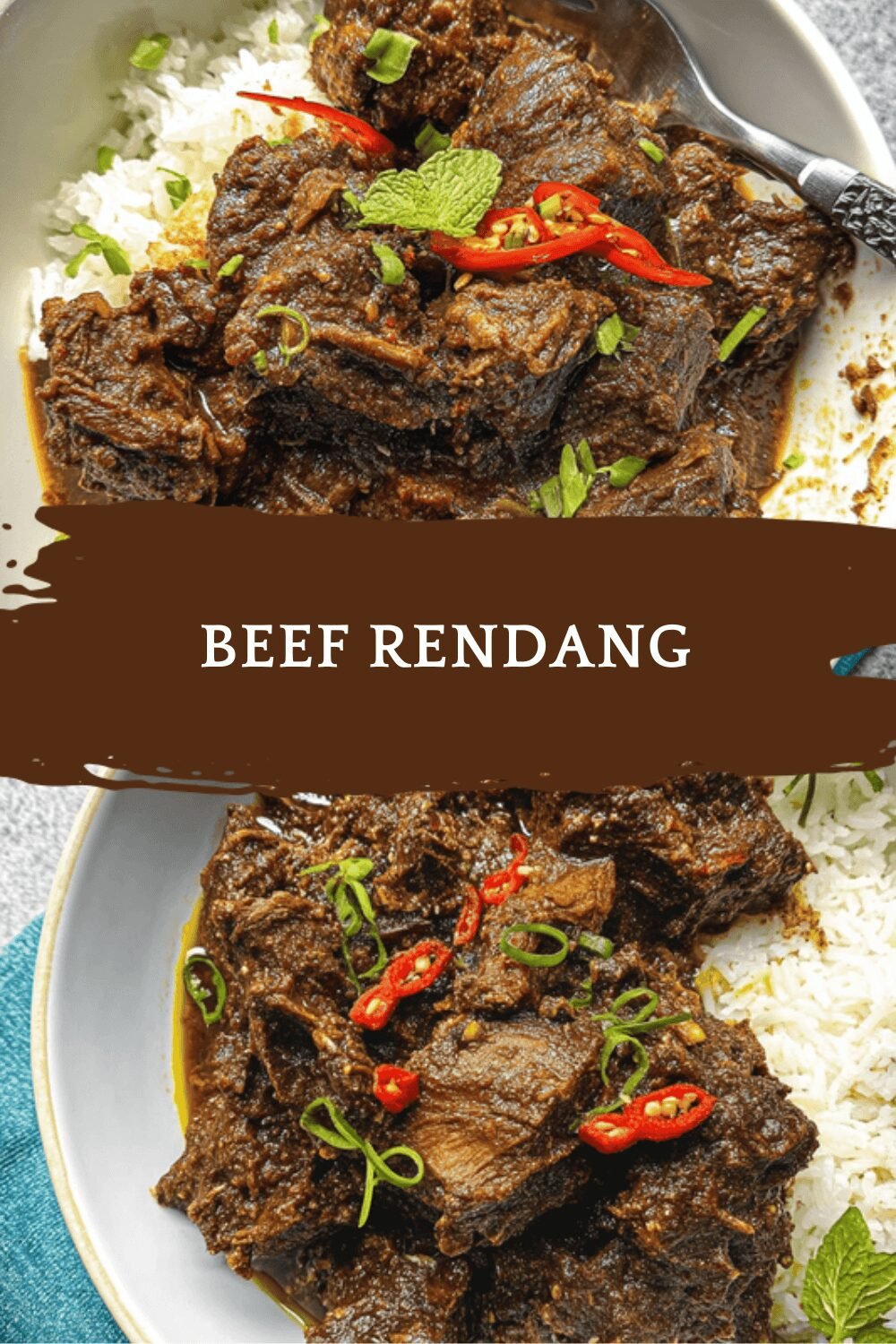
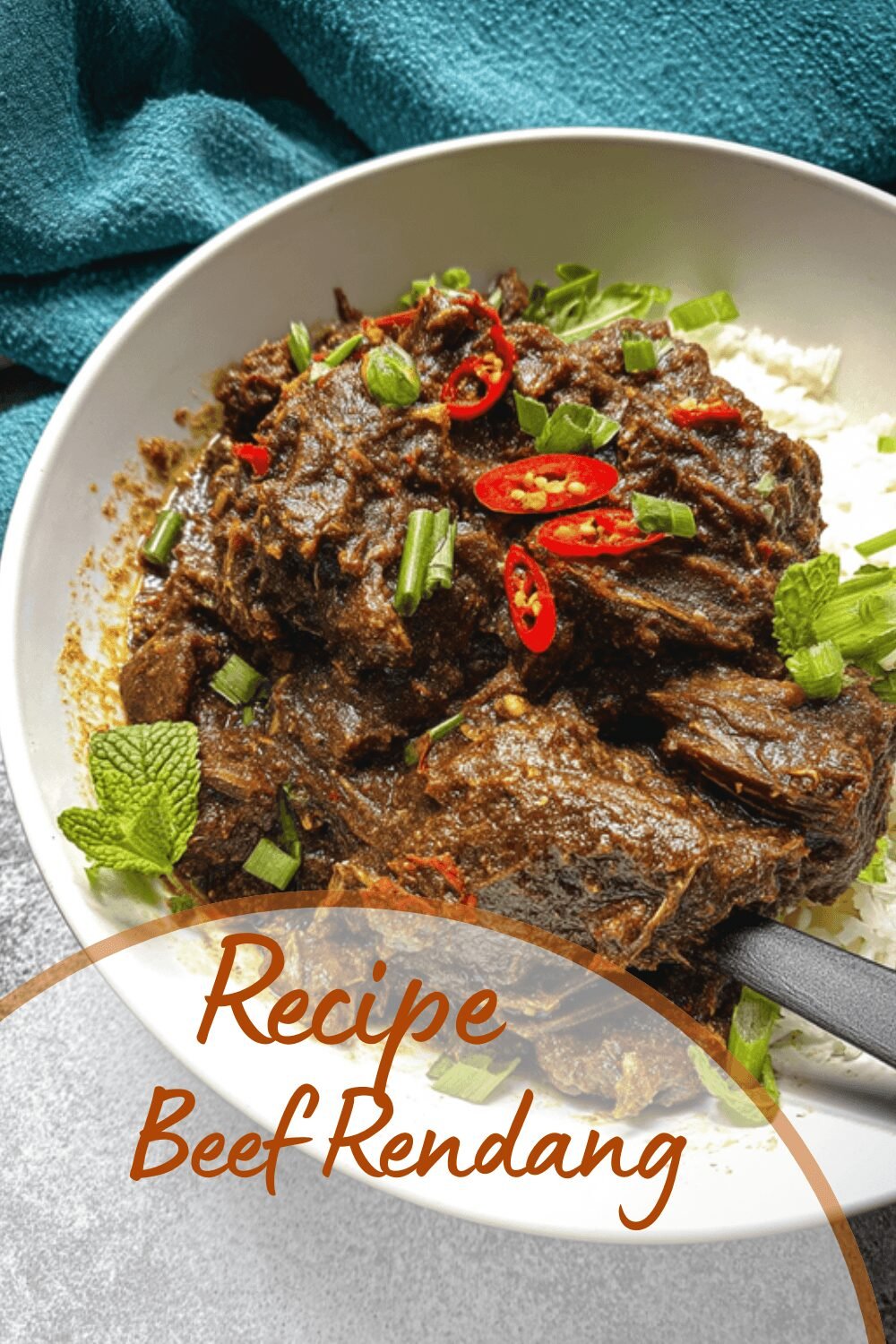
- Beef Rendang
- Ingredients
- Instructions
- Last Step:
- Notes
- Nutrition
- Did you make this recipe?
Essential Ingredients for Beef Rendang
- 12 dried chilies (rehydrated) or 12 large fresh chilies – key for heat and deep flavor
- 1 small onion, finely chopped – adds sweetness and aroma
- 5 cloves garlic, minced – foundational pungency
- 3 stalks lemongrass (white part only), sliced or pounded – fresh citrus notes
- 1 ½ tablespoons fresh galangal, finely chopped (or substitute extra ginger and black pepper) – warming spice
- 1 ½ tablespoons fresh ginger, minced – adds zing and warmth
- 2 tablespoons cooking oil (vegetable, canola, peanut, or avocado) – for sautéing spice paste
- 1 to 1.3 kilograms (2 to 3 pounds) slow-cooking beef (chuck steak, short ribs, brisket, or beef cheeks), cut into large cubes – tender protein base that absorbs spices
- 1 tablespoon cooking oil (vegetable, peanut, or canola) – for browning beef
- 1 cinnamon stick (about 2-inch length) – sweet aromatic spice
- ¼ teaspoon ground clove powder or 3 whole cloves – intensifies aroma
- 3 star anise – adds licorice-like depth
- ½ teaspoon cardamom powder or 3 cardamom pods – fragrant undertones
- 1 lemongrass stalk (bottom half only), smashed or pounded – lemony herbaceousness
- 400 ml (1 standard can) plus up to 3 cans full-fat coconut milk or coconut cream – creamy, rich base
- 1 cup water (optional) – assists in slow cooking and adjusting consistency
- 2 teaspoons tamarind puree or paste (or soaked tamarind pulp; vinegar or lemon juice as substitutes) – provides tanginess
- 4 to 6 kaffir lime leaves, finely sliced – fresh citrus aroma
- 1/3 cup desiccated coconut or 6 tablespoons kerisik (toasted grated coconut paste) – texture and rich coconut flavor
- 1 tablespoon brown sugar or grated palm sugar – balances flavors with sweetness
- 1 ½ teaspoons salt – essential seasoning
Special Dietary Options:
- Vegan: Replace beef with jackfruit, tempeh, or mushrooms; use coconut cream and vegetable oil.
- Gluten-free: Use gluten-free tamarind paste and tamari to keep the dish free of gluten.
- Low-calorie: Choose lean beef cuts or substitute with mushrooms, reduce coconut milk quantity, and use less oil.
How to Prepare the Perfect Beef Rendang: Step-by-Step Guide
First Step: Prepare the Spice Paste
Blend the rehydrated or fresh chilies, finely chopped onion, minced garlic, sliced lemongrass (white part only), minced galangal, ginger, and 2 tablespoons of cooking oil in a food processor until smooth. If using dried chilies and a low-power processor, chop before blending.
Second Step: Brown the Beef
Heat 1 tablespoon of oil in a heavy, thick-bottomed pot over high heat. Brown half the beef cubes on all sides until a deep crust forms, then remove to a plate. Repeat with remaining beef.
Third Step: Cook the Spice Paste
Reduce heat to medium-low and add the spice paste into the same pot. Cook for 2 to 3 minutes, stirring until the paste darkens and moisture reduces, intensifying its aroma.
Fourth Step: Add Aromatics, Beef, and Liquids
Add the cinnamon stick, cloves, star anise, cardamom, smashed lemongrass, browned beef cubes, coconut milk, tamarind puree, optional water, kaffir lime leaves, toasted grated coconut or kerisik, brown sugar, and salt. Stir well to combine all ingredients.
Fifth Step: Simmer Slowly
Bring the pot to a simmer, then reduce heat to low. Cover partially and cook gently for about 1 to 1½ hours, stirring occasionally until the beef is tender but intact.
Sixth Step: Reduce the Sauce
Remove the lid and increase heat to medium. Continue cooking, stirring often, for 30 to 40 minutes or longer until the sauce thickens, darkens, and oil separates, coating the beef with a thick, rich paste.
Final Step: Finish and Serve
If the beef isn’t fully tender or sauce too thick, add a splash of water and continue simmering gently as needed. Remove from heat, discard lemongrass stalks and lime leaves, and serve hot with plain or coconut rice. Lightly pickled cucumber makes a refreshing side.
Tip: Toasting spices and kerisik carefully and resting rendang for 1-2 days allows flavors to deepen beautifully.
Dietary Substitutions to Customize Your Beef Rendang
Protein and Main Component Alternatives
- Substitute beef with tender chicken thighs or seafood like prawns for a lighter protein.
- Use plant-based proteins such as jackfruit, tempeh, or mushrooms for vegan rendang versions.
- Try lamb or goat for regional variation and robust flavor.
Vegetable, Sauce, and Seasoning Modifications
- Use coconut cream instead of coconut milk for richer, creamier sauce.
- Replace tamarind puree with vinegar or lemon juice if unavailable, adjusting sweetness accordingly.
- Include additional herbs like fresh cilantro or basil for freshness.
- Adjust chili quantity or type to temper spiciness to preference.
Mastering Beef Rendang: Advanced Tips and Variations
- Pro cooking techniques: Slow cooking at low heat is essential for tender beef and concentrated flavors. Using a Dutch oven or heavy-bottomed pot helps maintain even heat distribution.
- Flavor variations: Incorporate aromatic spices like star anise, cinnamon, and clove powder for layered complexity. Adding kerisik freshly pounded enhances coconut richness.
- Presentation tips: Serve with a garnish of fresh coriander or toasted coconut flakes for color and aroma. Pair with steamed jasmine or white rice.
- Make-ahead options: Prepare rendang a day or two in advance; flavors deepen wonderfully with resting. Freeze portions for easy meals during busy weeks.
How to Store Beef Rendang: Best Practices
| Storage Method | Instructions |
|---|---|
| Refrigeration | Store cooled beef rendang in airtight containers and keep refrigerated for up to 3 days to retain freshness and flavor. |
| Freezing | Freeze in airtight containers or heavy-duty freezer bags for up to 3 months. Thaw overnight in the refrigerator before reheating. |
| Reheating | Warm gently over low heat on the stove, adding a splash of water or coconut milk if the sauce thickens excessively to restore creaminess. |
| Meal prep | Divide rendang into individual portions for easy reheating. Store rice separately to maintain texture. |
FAQs: Frequently Asked Questions About Beef Rendang
What is Beef Rendang and how is it different from regular curry?
Beef Rendang is a traditional Indonesian slow-cooked beef dish with a thick, dry sauce made from coconut milk, toasted coconut, and spices like lemongrass, galangal, and kaffir lime leaves. Unlike curry, which has a wet or semi-wet sauce, rendang is cooked until most liquids evaporate, leaving tender meat coated in a rich, deeply flavored paste.
What cuts of beef work best for making Beef Rendang?
Cuts with good marbling and connective tissue, such as chuck, short ribs, stew beef, or beef cheeks, work best for Beef Rendang. These cuts become tender and juicy after slow cooking, absorbing the complex spice mixture while becoming soft enough to break apart easily.
Can I prepare Beef Rendang in a slow cooker, and how should I do it?
Yes, you can make Beef Rendang in a slow cooker. Start by browning the beef and cooking the spices on the stove. Transfer everything to the slow cooker with coconut milk and seasonings, then cook on low for 6 to 8 hours. Finish by reducing the sauce on the stove to develop the signature thick, dark coating.
What are common ingredient substitutions if I can’t find traditional items like galangal or tamarind?
If fresh galangal is unavailable, use extra fresh ginger with a pinch of black pepper to imitate its flavor. For tamarind puree, alternatives include white or brown vinegar or lemon juice to add a similar tartness. Lemongrass paste can replace fresh stalks if needed.
How should I store and reheat leftover Beef Rendang for best flavor?
Store cooled Beef Rendang in an airtight container in the refrigerator for up to 5 days or freeze for up to 3 months. When reheating, warm it gently over low heat, adding a splash of water or coconut milk if the sauce is too thick. This keeps the meat tender and the flavors balanced.
Beef Rendang
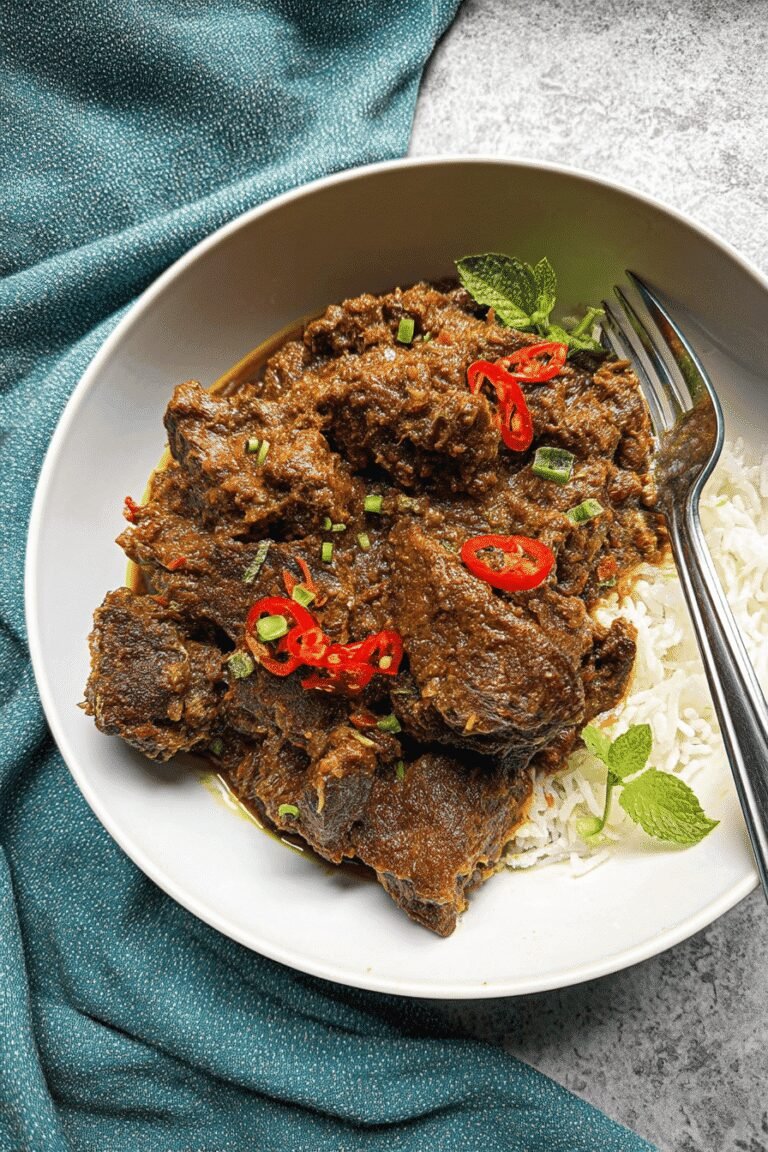
🍛 Beef Rendang is renowned for its deep, authentic flavors and melt-in-your-mouth tender meat, making it a must-try for curry lovers.
🌶️ This iconic Malaysian dish combines a rich blend of spices with coconut milk, creating a dry curry that’s perfect for a special meal.
- Total Time: 2 to 5 hours
- Yield: 6–8 servings 1x
Ingredients
12 dried chilies or 12 large fresh chilies for heat and deep flavor
1 small onion, finely chopped for sweetness and aroma
5 cloves garlic, minced
3 stalks lemongrass (white part only), sliced or pounded for fresh citrus notes
1 ½ tablespoons fresh galangal, finely chopped for warming spice
1 ½ tablespoons fresh ginger, minced for zing and warmth
2 tablespoons cooking oil for sautéing spice paste
1 to 1.3 kilograms slow-cooking beef, cut into large cubes for tender protein base that absorbs spices
1 tablespoon cooking oil for browning beef
1 cinnamon stick for sweet aromatic spice
¼ teaspoon ground clove powder or 3 whole cloves
3 star anise for licorice-like depth
½ teaspoon cardamom powder or 3 cardamom pods for fragrant undertones
1 lemongrass stalk (bottom half only), smashed or pounded for lemony herbaceousness
400 ml plus up to 3 cans full-fat coconut milk or coconut cream for creamy, rich base
1 cup water assists in slow cooking and adjusting consistency
2 teaspoons tamarind puree or paste for tanginess
4 to 6 kaffir lime leaves, finely sliced for fresh citrus aroma
1/3 cup desiccated coconut or 6 tablespoons kerisik for texture and rich coconut flavor
1 tablespoon brown sugar or grated palm sugar for balancing flavors with sweetness
1 ½ teaspoons salt for essential seasoning
Instructions
First Step: Prepare the Spice Paste Blend the rehydrated or fresh chilies, finely chopped onion, minced garlic, sliced lemongrass (white part only), minced galangal, ginger, and 2 tablespoons of cooking oil in a food processor until smooth. If using dried chilies and a low-power processor, chop before blending.
Second Step: Brown the Beef Heat 1 tablespoon of oil in a heavy, thick-bottomed pot over high heat. Brown half the beef cubes on all sides until a deep crust forms, then remove to a plate. Repeat with remaining beef.
Third Step: Cook the Spice Paste Reduce heat to medium-low and add the spice paste into the same pot. Cook for 2 to 3 minutes, stirring until the paste darkens and moisture reduces, intensifying its aroma.
Fourth Step: Add Aromatics, Beef, and Liquids Add the cinnamon stick, cloves, star anise, cardamom, smashed lemongrass, browned beef cubes, coconut milk, tamarind puree, optional water, kaffir lime leaves, toasted grated coconut or kerisik, brown sugar, and salt. Stir well to combine all ingredients.
Fifth Step: Simmer Slowly Bring the pot to a simmer, then reduce heat to low. Cover partially and cook gently for about 1 to 1½ hours, stirring occasionally until the beef is tender but intact.
Sixth Step: Reduce the Sauce Remove the lid and increase heat to medium. Continue cooking, stirring often, for 30 to 40 minutes or longer until the sauce thickens, darkens, and oil separates, coating the beef with a thick, rich paste.
Final Step: Finish and Serve If the beef isn’t fully tender or sauce too thick, add a splash of water and continue simmering gently as needed. Remove from heat, discard lemongrass stalks and lime leaves, and serve hot with plain or coconut rice. Lightly pickled cucumber makes a refreshing side.
Last Step:
Please leave a rating and comment letting us know how you liked this recipe! This helps our business to thrive and continue providing free, high-quality recipes for you.Notes
🌶️ Adjust chili quantity based on desired heat level. Slow cooking reduces spiciness.
🍚 Use uniform beef cubes for even cooking and texture maintenance.
🌿 Fresh kaffir lime leaves and toasted coconut enhance aroma and flavor.
- Prep Time: 20-60 minutes
- Slow Cooking: 1 ½ to 4 hours
- Cook Time: 1 ½ to 4 hours
- Category: Main Course
- Method: Slow Cooking
- Cuisine: Malaysian
- Diet: Gluten-Free
Nutrition
- Serving Size: 1 portion
- Calories: 675-1100
- Sugar: 5-9 g
- Sodium: 128-847 mg
- Fat: 42-94 g
- Saturated Fat: 24-59 g
- Unsaturated Fat: –
- Trans Fat: –
- Carbohydrates: 10.9-24 g
- Fiber: 3-10 g
- Protein: 37-63 g
- Cholesterol: 100-180 mg






This beef rendang recipe is amazing! 🌟 I tried it last night, and my family couldn’t get enough. I added a little extra coconut milk for a creamier texture, and it turned out perfect. Thanks for sharing such an authentic dish!