

Why You’ll Love This Baked Potatoes
Let me tell you, there’s something truly magical about a perfectly baked potato that makes it a go-to favorite in my kitchen. It’s simple to whip up with just a few ingredients, and that’s why it’s perfect for busy parents, students, or anyone hustling through the day. Not only does this recipe deliver that dreamy crispy skin and fluffy inside, but it’s also packed with health benefits that keep you feeling great.
For starters, the ease of preparation means you can have a meal ready without spending hours cooking, which is a win for home cooks and busy families alike. These baked potatoes are loaded with essential nutrients and fiber, supporting your digestion and giving you steady energy without any added unhealthy fats. Plus, their versatility lets you tweak them to fit various dietary needs, from vegan tweaks to gluten-free options, so everyone at your gathering can enjoy them.
- Ease of preparation: This baked potatoes recipe is particularly simple and quick, requiring minimal ingredients and straightforward steps, making it ideal for busy cooks and beginners alike.
- Health benefits: Loaded with essential nutrients and fiber, baked potatoes offer a wholesome option that supports digestion and sustained energy without added unhealthy fats.
- Versatility: Easily adaptable to various dietary needs, whether vegan, gluten-free, or low-calorie, this recipe can be customized with different toppings and ingredients.
- Distinctive flavor: The natural earthy taste of baked potatoes is enhanced by complementary herbs and seasonings, making the dish uniquely satisfying and flavorful.
On my blog, we focus on recipes that bring people together, and these baked potatoes do just that with their comforting appeal at potlucks or picnics.
Jump to:
- Why You’ll Love This Baked Potatoes
- Essential Ingredients for Baked Potatoes
- Main Ingredients List
- Special Dietary Options
- How to Prepare the Perfect Baked Potatoes: Step-by-Step Guide
- Dietary Substitutions to Customize Your Baked Potatoes
- Protein and Main Component Alternatives
- Vegetable, Sauce, and Seasoning Modifications
- Mastering Baked Potatoes: Advanced Tips and Variations
- Pro Cooking Techniques
- Flavor Variations
- Presentation and Make-Ahead Options
- How to Store Baked Potatoes: Best Practices
- FAQs: Frequently Asked Questions About Baked Potatoes
- How do I bake the perfect potato with a crispy skin?
- What is the best way to tell when a baked potato is fully cooked?
- Can I bake potatoes ahead of time and reheat them without losing quality?
- What are some healthy topping ideas for baked potatoes?
- How long should I store leftover baked potatoes, and can they be frozen?
- Baked Potatoes
- Ingredients
- Instructions
- Last Step:
- Notes
- Nutrition
- Did you make this recipe?
Essential Ingredients for Baked Potatoes
When I think about making the perfect baked potato, starting with the right ingredients sets the stage for that crispy skin and fluffy inside we all crave. These simple items come together to create a dish that’s both nutritious and delicious, fitting for home cooks of all levels. Let me walk you through what you’ll need, based on my tried-and-true approach.
Main Ingredients List
- 4 medium russet potatoes ideal for their fluffy interior when baked
- Olive oil (for rubbing) helps achieve that desirable crispy skin
- Sea salt (for sprinkling liberally) enhances the natural flavor and texture of the potato skins
This list keeps things straightforward, pulling from the best practices I’ve honed over years of sharing recipes that travel well and please a crowd. Remember, russet potatoes are my top choice because they bake up wonderfully, but you can adjust based on what you have on hand.
Special Dietary Options
To make this even more adaptable, consider these tweaks for different needs. For instance, if you’re going vegan, swap in plant-based toppings, or keep it gluten-free by checking your add-ons. It’s all about making the recipe work for you and your community gatherings.
- Vegan: Use plant-based toppings like vegan sour cream or nutritional yeast
- Gluten-free: Ensure toppings and sauces do not contain gluten
- Low-calorie: Opt for light seasonings and skip high-fat toppings such as cheese or bacon bits
As someone passionate about food that feeds both body and soul, I love how these options let everyone dig in without worry. For more ideas on pairing potatoes with proteins, check out our garlic butter steak and potatoes recipe on the blog.
How to Prepare the Perfect Baked Potatoes: Step-by-Step Guide
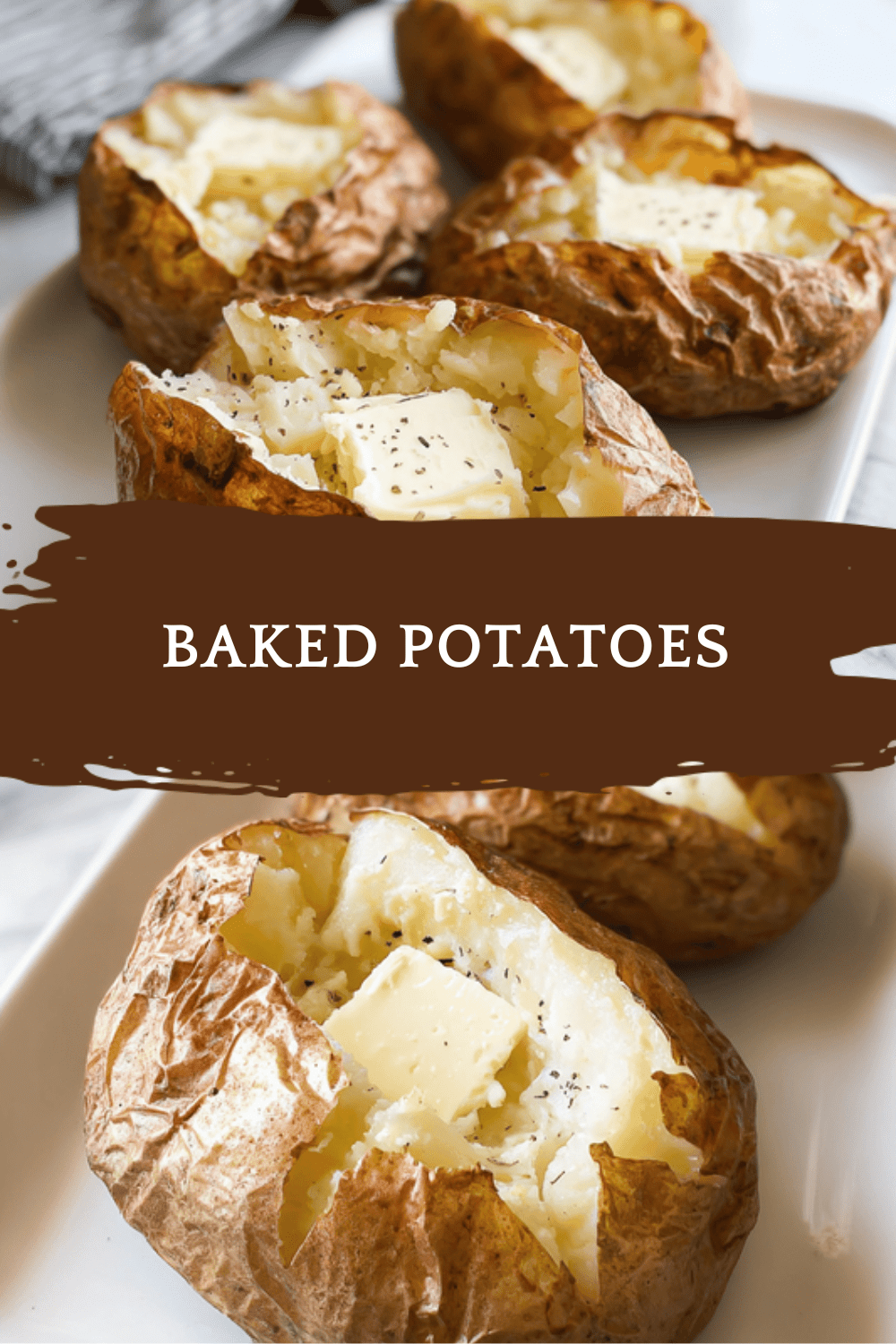
Getting baked potatoes just right is one of those kitchen wins that makes me smile every time. It starts with preheating your oven and ends with a fluffy, crispy delight that’s perfect for any meal. I’ll guide you through each step so you can nail it on your first try, whether you’re a student rushing dinner or a busy parent prepping for a family night.
- Preheat oven to 425°F (218°C). Line a baking sheet with parchment paper to make cleanup easy and ensure even baking.
- Scrub potatoes clean and dry them thoroughly to remove any dirt, then pierce each one several times with a fork to let steam escape.
- Place the potatoes on the prepared baking sheet. Rub each potato evenly with olive oil and sprinkle sea salt liberally over the skins for that extra crunch.
- Bake for 45 to 60 minutes, or until the skins are crisp and the potatoes are fork-tender; remember, larger potatoes need a bit more time, while smaller ones cook faster.
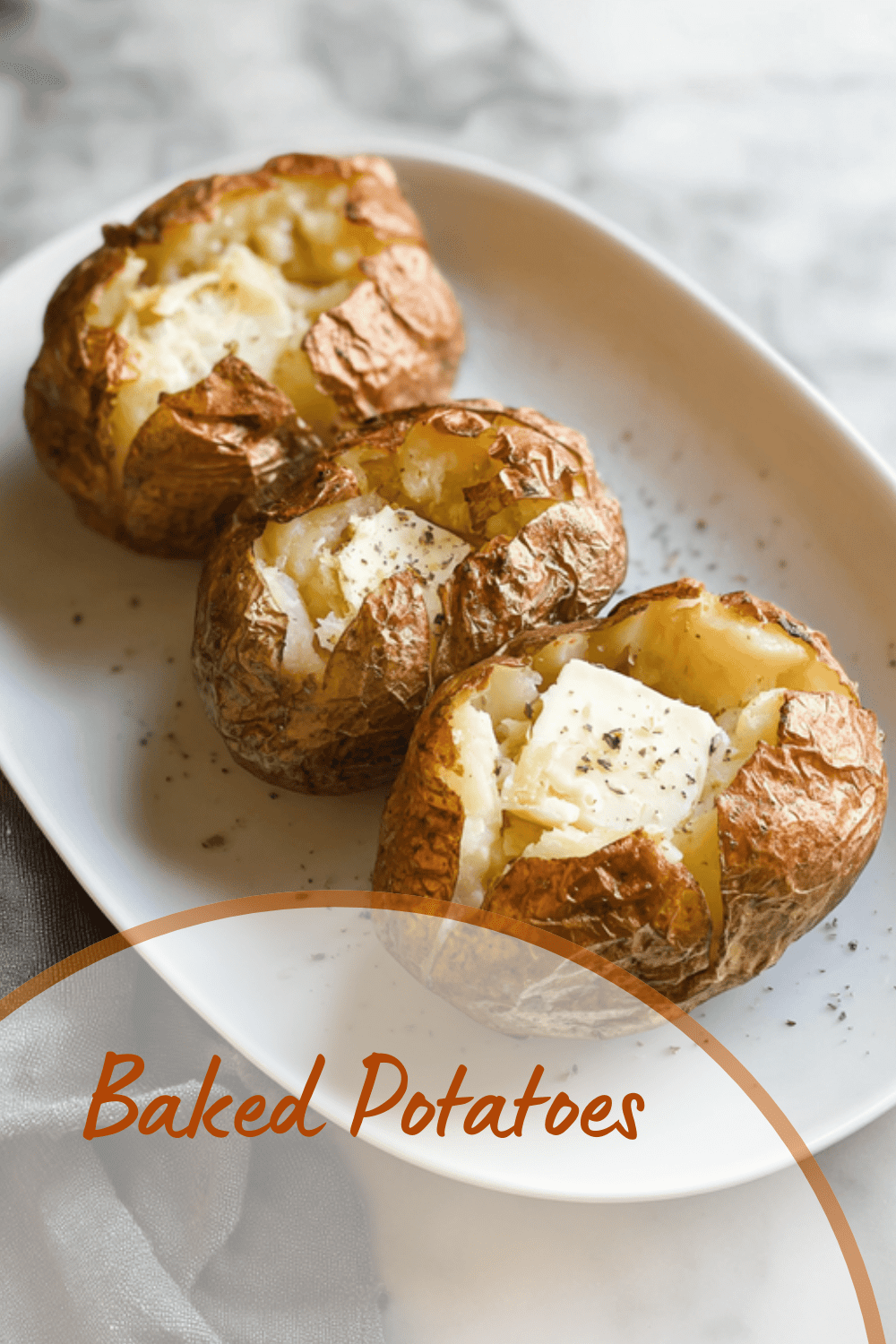
- Remove from the oven and let the potatoes cool slightly before slicing them open, then fluff the insides with a fork for the best texture.
This process takes about 10 minutes to prepare and 45 to 60 minutes to bake, totaling around 1 hour depending on potato size. It’s a simple method that highlights the potato’s natural goodness, and I often pair it with other easy dishes for a full spread.
Dietary Substitutions to Customize Your Baked Potatoes
One of the things I love most about baked potatoes is how flexible they are, letting you tailor them to fit your lifestyle or dietary preferences. Whether you’re watching calories or sticking to a vegan diet, these tweaks keep the dish exciting and inclusive. It’s all about making sure everyone at your gathering feels included.
Protein and Main Component Alternatives
- Substitute bacon bits with tempeh or smoked tofu for a vegan protein option that adds a smoky flavor without the meat.
- Use shredded chicken or lean turkey as non-vegetarian toppings to boost protein while keeping things light.
Vegetable, Sauce, and Seasoning Modifications
- Swap traditional sour cream with avocado crema or cashew-based sauces for dairy-free needs, which add creaminess without the heaviness.
- Experiment with seasonal vegetables like sautéed mushrooms, bell peppers, or spinach to bring in fresh colors and nutrients.
- Adjust seasonings such as using smoked paprika, garlic powder, or fresh herbs to match personal tastes or dietary restrictions for a personalized twist.
These changes not only make the recipe adaptable but also help create memorable meals that suit food enthusiasts and health-conscious folks alike.
Mastering Baked Potatoes: Advanced Tips and Variations
Once you’re comfortable with the basics, let’s dive into some pro tips that take your baked potatoes to the next level. I always experiment in my kitchen to find ways to make simple recipes even better, and these ideas have become staples for my community events. From faster cooking methods to creative flavors, you’ll find plenty to love here.
Pro Cooking Techniques
Use a convection oven for faster, more even baking, which cuts down time while keeping that crispy skin intact. If you’re in a rush, pre-cook potatoes in the microwave for a few minutes to reduce oven time without sacrificing quality.
Flavor Variations
- Try seasoning with garlic butter or chili flakes to add a zesty kick that complements the potato’s natural taste.
- Experiment with herb blends for a fresh, aromatic twist that makes each bite feel special.
Presentation and Make-Ahead Options
Garnish with fresh chives or parsley to boost visual appeal and make your dish stand out at picnics. For busy days, partially bake potatoes ahead and reheat them later to save time while keeping the texture just right.
These tips ensure your baked potatoes are not only tasty but also easy to share, aligning with my passion for recipes that foster connections.
How to Store Baked Potatoes: Best Practices
After enjoying a batch of baked potatoes, storing them properly keeps them fresh for your next meal, which is key for working professionals or families planning ahead. I always think about how these methods help reduce waste and make meal prep smoother. Let’s cover the essentials so your leftovers stay delicious.
- Refrigeration: Store cooled baked potatoes in an airtight container in the refrigerator for up to 3-4 days to maintain their flavor.
- Freezing: Wrap potatoes individually in foil and place them in freezer-safe bags for longer storage; use within 1-2 months for the best results.
- Reheating: Warm them in the oven at 350°F (175°C) until heated through to keep that crispy skin and fluffy inside.
- Meal prep considerations: Bake potatoes in batches and store portions separately to make future meals quick and easy.
This approach works wonders for anyone juggling a busy schedule, ensuring you have wholesome options ready to go.
FAQs: Frequently Asked Questions About Baked Potatoes
How do I bake the perfect potato with a crispy skin?
To bake a potato with a crispy skin, start by choosing russet potatoes for their fluffy interior. Preheat your oven to 425°F (220°C). Scrub and dry the potatoes thoroughly, then prick them several times with a fork to allow steam to escape. Rub the skins lightly with olive oil and sprinkle with coarse salt. Place the potatoes directly on the oven rack or on a baking sheet to let hot air circulate evenly. Bake for 45-60 minutes, turning halfway through, until the skins are crisp and the inside is tender when pierced with a fork.
What is the best way to tell when a baked potato is fully cooked?
A baked potato is fully cooked when the skin is crisp and a fork or skewer slides easily into the center without resistance. Typically, baking at 400-425°F (200-220°C) for 45-60 minutes achieves this. You can also gently squeeze the potato (using an oven mitt) to check for softness. Avoid cutting it open until it feels tender inside to preserve heat and moisture. If unsure, use a digital thermometer—the internal temperature should be around 210°F (99°C).
Can I bake potatoes ahead of time and reheat them without losing quality?
Yes, you can bake potatoes ahead and reheat them with minimal quality loss. After baking, let the potatoes cool to room temperature, then wrap them individually in foil or place them in airtight containers and refrigerate for up to 3-4 days. To reheat, unwrap and warm them in a 350°F (175°C) oven for 15-20 minutes until heated through, or microwave on high for 3-5 minutes, turning halfway. Reheating in the oven helps maintain a crispy skin, while microwaving is faster but may soften the exterior.
What are some healthy topping ideas for baked potatoes?
Healthy toppings for baked potatoes include Greek yogurt or cottage cheese as a creamy base, fresh herbs like chives or parsley for flavor, steamed vegetables such as broccoli or spinach, and lean proteins like grilled chicken or black beans. You can also add salsa or a sprinkle of low-fat cheese for taste without excess calories. These toppings add nutrients and make your baked potato a balanced meal option with fiber, protein, and vitamins.
How long should I store leftover baked potatoes, and can they be frozen?
Leftover baked potatoes should be stored in the refrigerator and consumed within 3-4 days for best quality. Wrap them tightly in foil or place in airtight containers to prevent drying out. Baked potatoes can be frozen, but it’s best to freeze them without toppings. Wrap fully cooled potatoes in plastic wrap followed by foil to avoid freezer burn. When ready to eat, thaw overnight in the refrigerator and reheat in the oven for best texture. Note that freezing may change the texture slightly, making the potato crumbly.

Baked Potatoes
🥔 This Perfect Baked Potato Recipe delivers irresistibly crispy skin and a fluffy, tender inside every time.
🍽️ Simple and versatile, it’s a great base for a nutritious meal or a satisfying side dish.
- Total Time: 55 to 70 minutes
- Yield: 4 servings 1x
Ingredients
4 medium russet potatoes ideal for their fluffy interior when baked
Olive oil for rubbing helps achieve that desirable crispy skin
Sea salt for sprinkling liberally enhances the natural flavor and texture of the potato skins
plant-based toppings like vegan sour cream or nutritional yeast
toppings and sauces that do not contain gluten
light seasonings
Instructions
1-Preheat oven to 425°F (218°C): Line a baking sheet with parchment paper to make cleanup easy and ensure even baking.
2-Scrub potatoes clean and dry them thoroughly to remove any dirt, then pierce each one several times with a fork to let steam escape.
3-Place the potatoes on the prepared baking sheet. Rub each potato evenly with olive oil and sprinkle sea salt liberally over the skins for that extra crunch.
4-Bake for 45 to 60 minutes, or until the skins are crisp and the potatoes are fork-tender; remember, larger potatoes need a bit more time, while smaller ones cook faster.
5-Remove from the oven and let the potatoes cool slightly before slicing them open, then fluff the insides with a fork for the best texture.
Last Step:
Please leave a rating and comment letting us know how you liked this recipe! This helps our business to thrive and continue providing free, high-quality recipes for you.Notes
🌿 Do not wrap potatoes in foil to ensure crispy skin.
🧂 Use generous sea salt to enhance skin flavor and texture.
⏳ Adjust baking time depending on potato size for perfect doneness.
- Prep Time: 10 minutes
- Cook Time: 45 to 60 minutes
- Category: Side Dish
- Method: Baking
- Cuisine: American
Nutrition
- Serving Size: 1 medium potato


