Why You’ll Love This Baked Butternut Squash
As fall arrives, baked butternut squash becomes a go-to dish that warms up any meal with its sweet and savory flavors. This recipe uses everyday ingredients like olive oil, salt, and pepper to create a side that’s both simple and delicious. By roasting the squash until it’s tender and caramelized, you get a dish that’s packed with nutrients and perfect for family gatherings or busy weeknights.
One key benefit is its ease of preparation, taking just 5 minutes to prep and about 1 hour 15 minutes to cook. You don’t need fancy tools or skills, making it ideal for home cooks and busy parents who want a healthy option without the hassle. Another plus is the health benefits, offering a good source of vitamins and fiber that supports overall wellness.
- Ease of preparation: With only a few steps and minimal cleanup, baked butternut squash simplifies your cooking routine. It’s ready in under 90 minutes total, giving you more time to enjoy with family or friends at picnics and potlucks.
- Health benefits: Each serving delivers 146 calories and 3.8 grams of fiber, making it a smart choice for diet-conscious individuals. It’s rich in vitamins like vitamin A, which helps with eye health, and low in sodium at just 164.6 mg per serving.
- Versatility: This baked butternut squash adapts easily to different needs, from vegan options to low-calorie tweaks. You can serve it as a side, mash it into soups, or add it to salads for various meals.
- Distinctive flavor: The caramelized edges bring out a natural sweetness that’s enhanced by simple seasonings, setting it apart from other veggies. It’s a crowd-pleaser that fits right into hearty Midwestern meals or portable dishes for travelers.
Overall, this recipe brings people together with its comforting taste and flexibility. For more on the perks of this veggie, check out this guide on butternut squash benefits. Whether you’re a student or a senior, it’s a dish that adds warmth to any table.
Jump to:
- Why You’ll Love This Baked Butternut Squash
- Essential Ingredients for Baked Butternut Squash
- Main Ingredients
- Special Dietary Options
- How to Prepare the Perfect Baked Butternut Squash: Step-by-Step Guide
- Prepping Your Ingredients
- Seasoning and Arranging
- Baking and Finishing
- Dietary Substitutions to Customize Your Baked Butternut Squash
- Protein and Main Component Alternatives
- Vegetable, Sauce, and Seasoning Modifications
- Mastering Baked Butternut Squash: Advanced Tips and Variations
- How to Store Baked Butternut Squash: Best Practices
- FAQs: Frequently Asked Questions About Baked Butternut Squash
- How do you bake butternut squash in the oven?
- Do you need to peel butternut squash before baking?
- What seasonings pair best with baked butternut squash?
- How long does it take to bake butternut squash halves?
- What can you make with baked butternut squash?
- Baked Butternut Squash
- Ingredients
- Instructions
- Last Step:
- Notes
- Nutrition
- Did you make this recipe?
Essential Ingredients for Baked Butternut Squash
Gathering the right ingredients is key to making baked butternut squash shine as a fall favorite. This section outlines everything you need for a recipe that serves 4 to 6 people. Below is a structured list with precise measurements and a quick explanation of each item’s role to help you shop and substitute with ease.
Main Ingredients
- 1 medium butternut squash (about 3 pounds) – This is the star of the dish, providing a sweet and nutty base that’s roasted to perfection for a tender texture.
- 3 tablespoons olive oil, divided – Used for coating and roasting, olive oil helps achieve that caramelized edge while adding healthy fats; it’s divided to ensure even cooking.
- 1/2 teaspoon kosher salt – Enhances the natural flavors of the squash and balances its sweetness for a well-rounded taste.
- 1/4 teaspoon freshly ground black pepper – Adds a subtle kick and depth, complementing the squash’s earthiness without overwhelming it.
Special Dietary Options
- Vegan: This recipe is naturally vegan as it uses only plant-based items like olive oil and squash. No changes needed, making it simple for those avoiding animal products.
- Gluten-free: All ingredients are gluten-free by default, so feel free to enjoy it as is, perfect for anyone with gluten sensitivities.
- Low-calorie: Stick to the basic ingredients and skip any added fats or sugars to keep it under 150 calories per serving, ideal for diet-conscious folks.
Use synonyms like roasted butternut or oven-baked squash naturally in your planning to keep things fresh. This setup ensures your baked butternut squash meets various preferences while staying straightforward. For more healthy tips, see this resource on olive oil benefits.
How to Prepare the Perfect Baked Butternut Squash: Step-by-Step Guide
Creating the ideal baked butternut squash starts with simple steps that anyone can follow. This guide walks you through the process using the provided directions, ensuring your dish turns out tender and flavorful every time. We’ll cover preparation, baking, and serving, with tips for adapting to different tastes.
Prepping Your Ingredients
First Step: Preheat your oven to 375°F and set a rack in the middle to ensure even heat distribution for optimal roasting.
Second Step: Trim both ends of the 1 medium butternut squash, then halve it lengthwise to make handling easier and remove the seeds and stringy parts with a spoon.
Third Step: Drizzle a 9×13-inch baking dish with 1 tablespoon of the 3 tablespoons olive oil and spread it evenly to create a non-stick base that helps with caramelization.
Seasoning and Arranging
Fourth Step: Place the squash halves cut-side up in the prepared dish, then drizzle them with the remaining 2 tablespoons olive oil for full coverage that promotes browning.
Fifth Step: Season the halves with 1/2 teaspoon kosher salt and 1/4 teaspoon freshly ground black pepper, rubbing it in gently to enhance the flavors without excess.
Baking and Finishing
Sixth Step: Slide the dish into the oven and bake for 75 to 90 minutes, checking for doneness by inserting a fork to ensure it’s tender throughout.
Seventh Step: Once baked, remove the dish and let it cool slightly before serving the squash in wedges with the skin on or by scooping out the flesh and mashing it lightly for versatility.
This method takes about 5 minutes for prep and 1 hour 15 minutes to 1 hour 30 minutes for cooking, making it a practical choice for working professionals. For a similar veggie twist, try our air fryer sweet potato recipe to adapt your baked butternut squash ideas. Keep in mind, you can tweak seasonings for dietary needs, like using less oil for a lighter version, to suit busy parents or food enthusiasts.
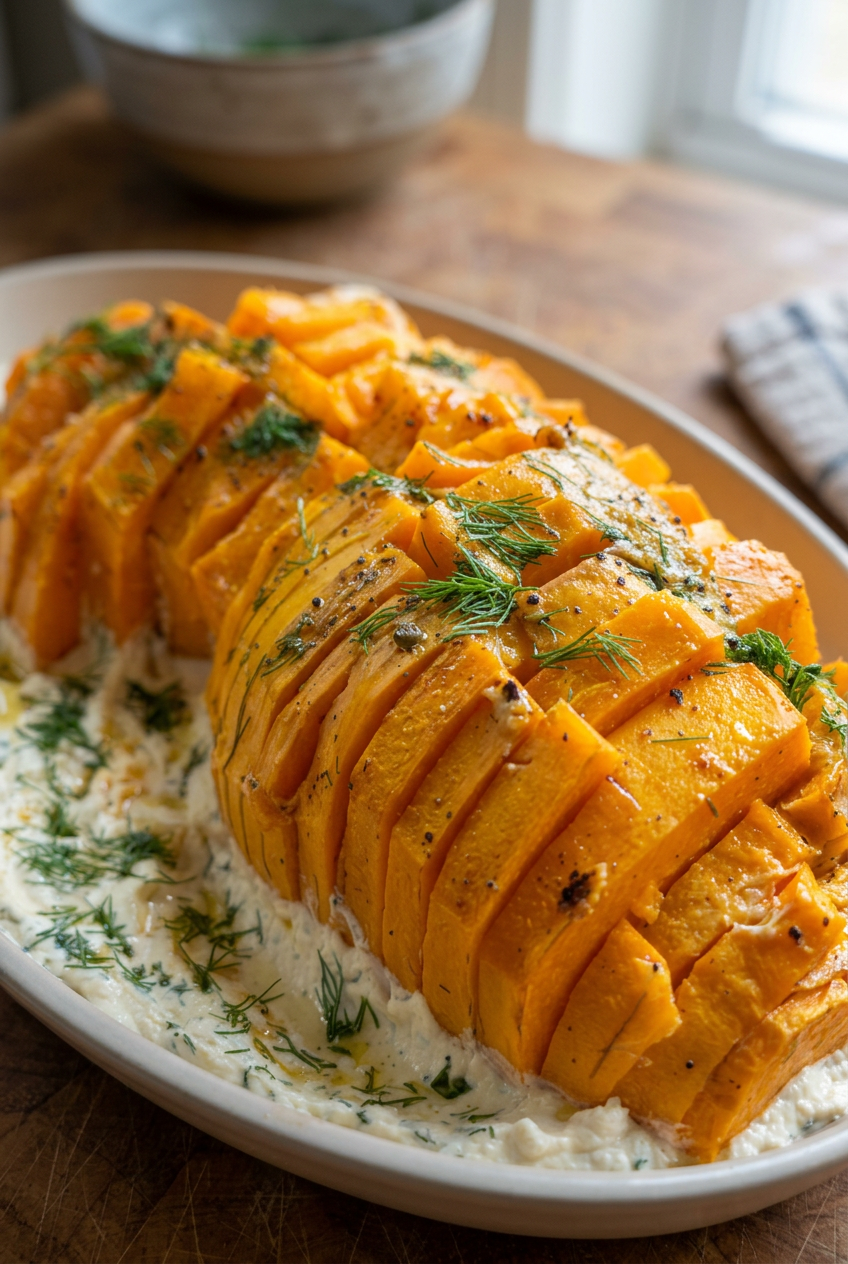
Dietary Substitutions to Customize Your Baked Butternut Squash
Protein and Main Component Alternatives
If you want to swap the main ingredient, consider using other winter squashes like acorn or pumpkin in place of the 1 medium butternut squash to keep the recipe adaptable. For protein boosts, add nuts or seeds on top after baking, such as a handful of walnuts, to make it more filling for travelers or newlyweds. These changes maintain the dish’s core while addressing availability or preferences.
Vegetable, Sauce, and Seasoning Modifications
For vegetable variations, mix in carrots or sweet potatoes alongside the squash to add color and nutrients, ideal for family meals. When it comes to sauces, swap olive oil for a light coconut oil if you prefer a tropical twist, or adjust seasonings like using herbs instead of pepper for seniors with spice sensitivities. These tweaks ensure your baked butternut squash fits various diets without losing its charm.
Mastering Baked Butternut Squash: Advanced Tips and Variations
Taking your baked butternut squash to the next level involves some expert tricks and creative spins. Start with pro cooking techniques like checking for caramelization early to avoid overcooking, which keeps the texture just right. Flavor variations can include adding spices such as cinnamon or nutmeg before baking for a sweeter profile.
- Pro cooking techniques: Use a sharp knife for clean cuts and tent with foil if needed to prevent drying out, saving time for community organizers.
- Flavor variations: Experiment with herbs like sage or smoked paprika to match different themes, making it versatile for baking enthusiasts.
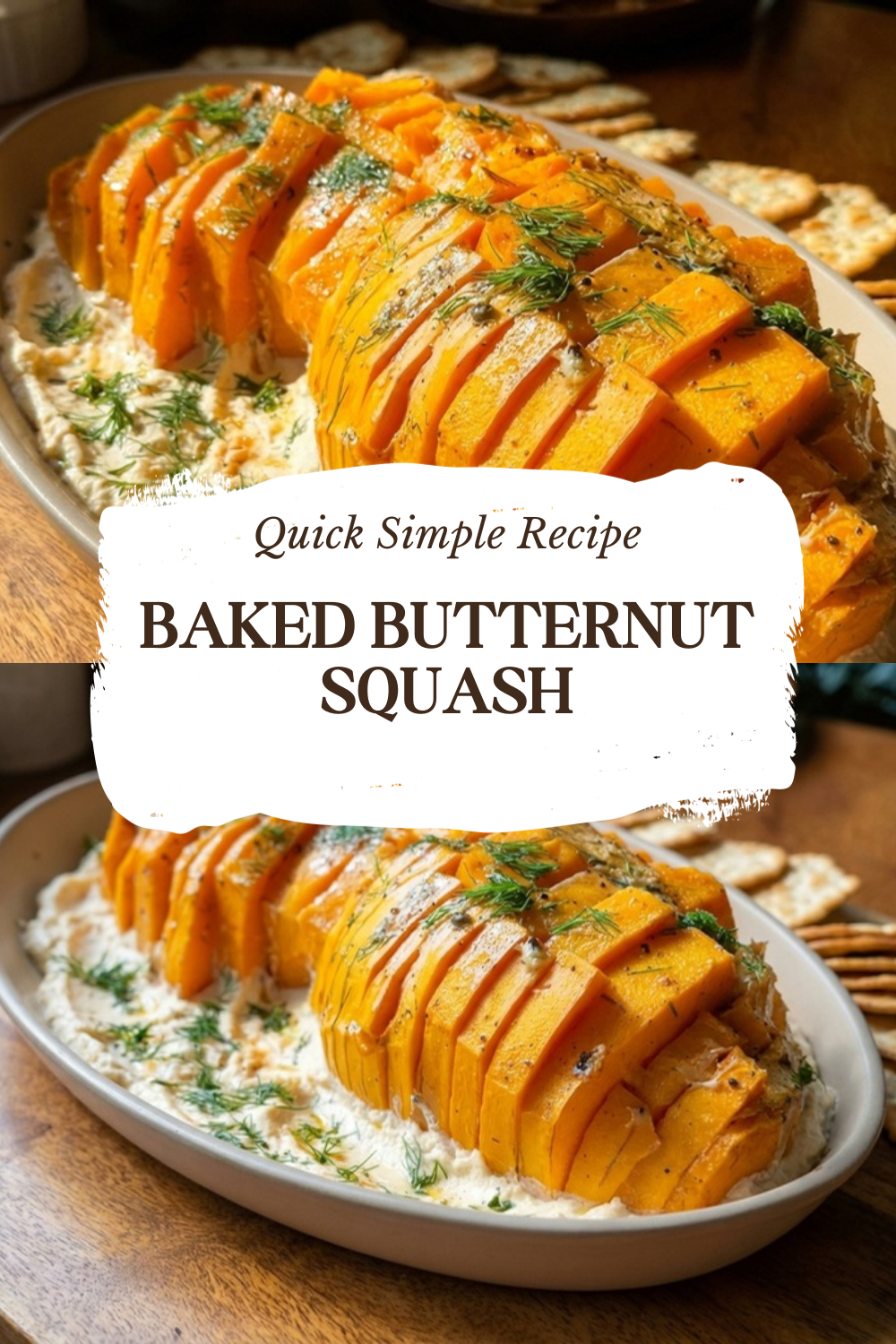
- Presentation tips: Arrange in a colorful platter with garnishes for eye-catching appeal at gatherings.
- Make-ahead options: Prep the squash ahead and store it for quick reheating, perfect for busy schedules.
These ideas help enhance your baked butternut squash while keeping it simple and fun.
How to Store Baked Butternut Squash: Best Practices
Proper storage keeps your baked butternut squash fresh and tasty for days. Follow these guidelines to maintain quality whether you’re refrigerating or freezing. This is especially useful for meal prep in a hectic lifestyle.
- Refrigeration: Cool the squash completely, then place it in an airtight container in the fridge for up to 5 days to preserve its flavor.
- Freezing: Portion out the mashed or wedged squash into freezer bags and store for up to 3 months, making it easy for batch cooking.
- Reheating: Warm it in the oven at 350°F for even heating, or microwave for quick meals while keeping safety in mind.
- Meal prep considerations: Label containers with dates to track freshness, helping working professionals plan ahead.
| Storage Method | Duration | Tips |
|---|---|---|
| Refrigeration | Up to 5 days | Use airtight containers |
| Freezing | Up to 3 months | Portion for easy use |
FAQs: Frequently Asked Questions About Baked Butternut Squash
How do you bake butternut squash in the oven?
Preheat your oven to 400°F (200°C). Cut the butternut squash in half lengthwise using a sharp knife—start at the stem end and work down. Scoop out the seeds and stringy pulp with a spoon. Place the halves cut-side up on a parchment-lined baking sheet. Drizzle with 1-2 tablespoons of olive oil, and season with salt and pepper. Roast for 40-50 minutes, until the flesh is fork-tender and caramelized. For even cooking, you can loosely tent with foil for the first 20 minutes. Let cool slightly before serving. This simple method yields sweet, juicy results perfect for fall meals. Total time: about 1 hour. (78 words)
Do you need to peel butternut squash before baking?
No, you don’t need to peel butternut squash for baking whole halves. Simply cut it lengthwise, remove the seeds, and roast skin-on at 400°F for 40-50 minutes. The skin holds the shape and locks in natural sweetness during cooking. While edible, the skin can be tough, so after baking, scoop out the soft orange flesh or slice into wedges with skin on if preferred. Peeling is only necessary if cubing for other recipes. This no-peel approach saves time and minimizes mess. (85 words)
What seasonings pair best with baked butternut squash?
Baked butternut squash shines with both sweet and savory seasonings. For sweetness, dust with ground cinnamon, nutmeg, or a touch of brown sugar before roasting. Savory options include curry powder, cumin, smoked paprika, or garlic powder. Add fresh herbs like sage, thyme, or rosemary inside the cavities for infused flavor. Start with ½ teaspoon per half, plus salt and pepper. Experiment: try maple syrup drizzle for holidays or chili powder for spice. These pairings highlight its nutty taste without overpowering. (82 words)
How long does it take to bake butternut squash halves?
Baking butternut squash halves at 400°F takes 40-50 minutes, depending on size. A medium 3-4 lb squash (about 2 halves) is fork-tender when the edges brown and caramelize. Test doneness by piercing the thickest part easily with a knife—no resistance means it’s ready. Smaller pieces cook faster (25-35 minutes), while larger ones may need up to 60 minutes. For crispier results, broil 2-3 minutes at the end. Always preheat the oven for even cooking. Pro tip: rest 5 minutes post-bake for easier scooping. (89 words)
What can you make with baked butternut squash?
Baked butternut squash is versatile beyond a simple side. Scoop the flesh to mash with butter, Parmesan, or cream for a creamy dish. Puree into soup by blending with broth, onion, and ginger. Toss chunks into salads with greens, nuts, and feta. Use as pasta sauce: mix mash with hot noodles and pasta water. For breakfast, top with eggs or yogurt. It freezes well—portion into bags for up to 3 months. One squash yields 4 servings; packed with vitamin A (over 100% DV per half). Link leftovers to recipes like butternut risotto. (96 words)
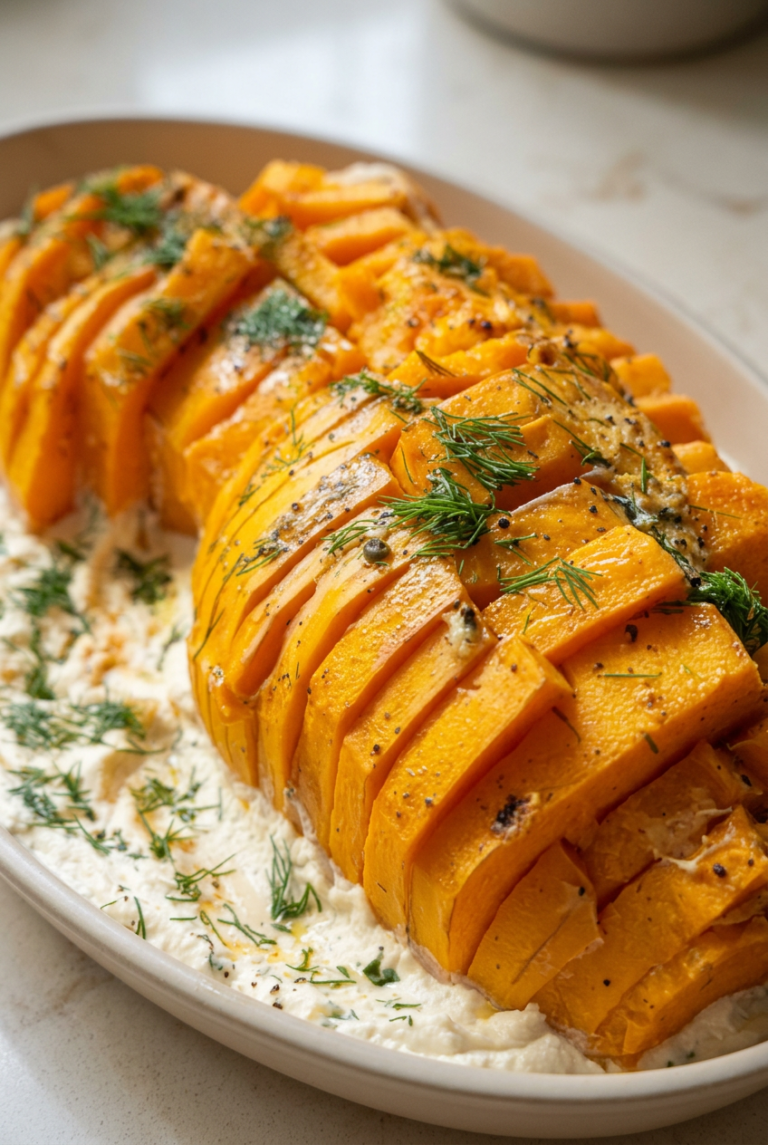
Baked Butternut Squash
🎃 Relish this baked butternut squash recipe for its tender, caramelized sweetness that emerges from simple roasting, delivering a nutrient-dense side full of vitamins A and C to boost fall meals with minimal effort and just five minutes of prep.
🍁 Why try it? This versatile vegan dish transforms humble squash into a flavorful staple for holidays or weeknights, easily customizable with spices or herbs for endless pairings with mains, offering fiber-rich warmth that’s both comforting and health-supporting without added sugars.
- Total Time: 1 hour 35 minutes
- Yield: 4-6 servings
Ingredients
– 1 medium butternut squash (about 3 pounds)
– 3 tablespoons olive oil, divided
– 1/2 teaspoon kosher salt
– 1/4 teaspoon freshly ground black pepper
Instructions
1-First Step: Preheat your oven to 375°F and set a rack in the middle to ensure even heat distribution for optimal roasting.
2-Second Step: Trim both ends of the 1 medium butternut squash, then halve it lengthwise to make handling easier and remove the seeds and stringy parts with a spoon.
3-Third Step: Drizzle a 9×13-inch baking dish with 1 tablespoon of the 3 tablespoons olive oil and spread it evenly to create a non-stick base that helps with caramelization.
4-Fourth Step: Place the squash halves cut-side up in the prepared dish, then drizzle them with the remaining 2 tablespoons olive oil for full coverage that promotes browning.
5-Fifth Step: Season the halves with 1/2 teaspoon kosher salt and 1/4 teaspoon freshly ground black pepper, rubbing it in gently to enhance the flavors without excess.
6-Sixth Step: Slide the dish into the oven and bake for 75 to 90 minutes, checking for doneness by inserting a fork to ensure it’s tender throughout.
7-Seventh Step: Once baked, remove the dish and let it cool slightly before serving the squash in wedges with the skin on or by scooping out the flesh and mashing it lightly for versatility.
Last Step:
Please leave a rating and comment letting us know how you liked this recipe! This helps our business to thrive and continue providing free, high-quality recipes for you.Notes
🎃 Skip peeling the squash before baking to lock in natural juices and maintain shape, but if you prefer, scoop out the tender flesh after roasting for use in mashes or purees while discarding the skin.
🌿 Elevate the basic flavors by sprinkling on spices like cinnamon, nutmeg, or cumin before baking, or fresh herbs such as sage and thyme post-roast, for a personalized twist on this fall favorite.
🥡 Refrigerate leftovers in an airtight container for up to 5 days; reheat in a 350°F oven for 10-15 minutes to restore crisp edges, or incorporate into soups, salads, or pasta for zero-waste versatility.
- Prep Time: 5 minutes
- Cook Time: 1 hour 30 minutes
- Category: Side Dishes
- Method: Baked
- Cuisine: American
- Diet: Vegan
Nutrition
- Serving Size: 1/2 squash
- Calories: 146
- Sugar: 4.2g
- Sodium: 165mg
- Fat: 6.9g
- Saturated Fat: 1g
- Unsaturated Fat: 5.9g
- Trans Fat: 0g
- Carbohydrates: 22.3g
- Fiber: 3.8g
- Protein: 1.9g
- Cholesterol: 0mg