

Why You’ll Love This Apple Cider
Imagine the cozy scent of fresh fruit and warm spices filling your home, all from a simple batch of apple cider. This recipe makes it easy to create a delightful drink that brings people together, perfect for fall gatherings or quiet evenings. Not only is it straightforward, but it also offers benefits that make it stand out among other apple cider options.
- Ease of preparation: This apple cider comes together with minimal effort and requires just a slow cooker, saving you time in the kitchen. You’ll spend only about 20 minutes prepping the ingredients before letting the cooker do the work for several hours. This simplicity makes apple cider ideal for busy families, offering a hassle-free way to enjoy homemade flavors without complicating your day.
- Health benefits: Made from real fruit like apples and oranges, this apple cider provides natural vitamins and antioxidants that support wellness. It’s a nonalcoholic beverage, allowing you to adjust sugar levels for a lighter option, which can fit into balanced diets. Enjoying this drink might just give your immune system a gentle boost, especially during cooler months when fresh flavors are key.
- Versatility: Apple cider adapts to various needs, whether you’re making it for a big crowd or tweaking it for dietary preferences. You can prepare it in different ways, like using a slow cooker or stovetop, and easily modify ingredients to suit everyone. This flexibility lets you turn apple cider into a go-to recipe for any occasion, from picnics to community events.
- Distinctive flavor: What sets this apple cider apart is the perfect blend of sweet and tart apples mixed with warming spices like cinnamon and cloves, creating a unique taste that’s both comforting and exciting. The addition of orange adds a fresh twist that balances the spices, making each sip memorable. You’ll find this apple cider’s rich flavor encourages personalization, so it becomes your family’s favorite version.
This approach ensures apple cider remains a highlight at any gathering, drawing on its simple yet effective preparation to enhance everyday moments.
Jump to:
- Why You’ll Love This Apple Cider
- Essential Ingredients for Apple Cider
- Special Dietary Options
- How to Prepare the Perfect Apple Cider: Step-by-Step Guide
- Dietary Substitutions to Customize Your Apple Cider
- Protein and Main Component Alternatives
- Vegetable, Sauce, and Seasoning Modifications
- Mastering Apple Cider: Advanced Tips and Variations
- Pro Cooking Techniques
- Flavor Variations
- Presentation Tips
- Make-Ahead Options
- How to Store Apple Cider: Best Practices
- Refrigeration
- Freezing
- Reheating
- Meal Prep Considerations
- FAQs: Frequently Asked Questions About Apple Cider
- What is the best way to add citrus to apple cider for balanced flavor?
- How can I make apple cider without a slow cooker?
- Can I prepare apple cider in an Instant Pot?
- Is it better to use whole cloves or ground cloves in apple cider?
- How long should apple cider be cooked to develop the best flavor?
- Apple Cider
- Ingredients
- Instructions
- Last Step:
- Notes
- Nutrition
- Did you make this recipe?
Essential Ingredients for Apple Cider
Gathering the right ingredients is the first step to brewing a delicious batch of apple cider. Each one plays a key role in building the flavor and texture, making your final drink both tasty and nutritious. Below is a detailed list of everything you’ll need, with exact measurements and a quick note on why each matters.
- 10 medium apples (a mix of sweet and tart varieties recommended) – These form the base of your apple cider, providing natural sweetness and tartness for a balanced flavor that shines through after cooking.
- 1 orange, peeled and segmented – This adds a bright citrus note that complements the spices and helps cut through the sweetness for a more rounded taste.
- 4 cinnamon sticks or 1 tablespoon ground cinnamon – Cinnamon infuses warmth and aroma, with sticks offering a milder flavor or ground for a stronger spice that enhances the overall apple cider experience.
- 1 teaspoon ground cloves – Cloves bring a deep, spicy element that pairs perfectly with the fruit, adding complexity without overpowering the mix.
- 6 tablespoons (75g) granulated sugar (adjustable from 1/4 cup to 1/2 cup for sweetness preference) – Sugar balances the tartness of the apples and allows you to control the sweetness level based on your taste.
- Water (enough to cover the fruit in the slow cooker) – This helps extract the flavors from the fruit and spices, creating the liquid base for your apple cider.
Special Dietary Options
Apple cider can be tailored to fit various diets, keeping it accessible for everyone.
- Vegan: This recipe is naturally plant-based as it uses only fruits, spices, and sugar, so no substitutes are needed for a vegan version of apple cider.
- Gluten-free: All ingredients are inherently gluten-free, making apple cider a safe choice without any alternatives required.
- Low-calorie: Reduce sugar to as low as 50g or use alternatives like honey, and opt for more tart apples to lower the calorie content while maintaining the essence of apple cider.
By using synonyms like spiced drink or fresh cider, we keep the content flowing naturally while highlighting these key elements.
How to Prepare the Perfect Apple Cider: Step-by-Step Guide
Creating apple cider at home is a rewarding process that yields a fragrant, flavorful result. This guide walks you through each stage, using the slow cooker for ease, while noting adaptations for different preferences. With a total time of about 8 hours and 30 minutes, it’s perfect for hands-off cooking.
First Step: Begin by preparing your ingredients to ensure everything is ready. Quarter your 10 medium apples after discarding the cores, and peel and segment one orange to release their flavors fully. This prep takes around 20 minutes and sets the stage for a smooth apple cider process.
Second Step: Add the prepared ingredients to your slow cooker. Place the quartered apples, orange segments, your choice of 4 cinnamon sticks or 1 tablespoon ground cinnamon, 1 teaspoon ground cloves, and 6 tablespoons of granulated sugar into a 4-quart or larger slow cooker. For dietary tweaks, you can reduce sugar for a lighter apple cider option.
Third Step: Pour in enough water to completely cover the fruit in the slow cooker. This helps extract the juices and spices, creating the base of your apple cider. Adapt this for smaller batches by scaling down the water proportionally.
Fourth Step: Set your slow cooker to LOW heat and cook for 6 to 7 hours, or HIGH heat for 4 hours. This slow process allows the flavors to meld, making your apple cider rich and aromatic; monitor for desired intensity and adjust for high-altitude cooking if needed.
Fifth Step: Once cooking is done, remove the cinnamon sticks if you used them. Then, mash the softened fruit thoroughly with a sturdy spoon to release more juices, enhancing the body of your apple cider. This step is crucial for texture and can be adjusted for chunkier or smoother results based on preference.
Sixth Step: Return the cinnamon sticks to the mixture if used, then cover and cook for another hour on LOW or HIGH. This extra time helps deepen the flavors in your apple cider, and you can stir occasionally for even infusion.
Seventh Step: Slowly strain the liquid through a fine mesh strainer or cheesecloth to remove solids, and strain again if needed for clarity. This gives your apple cider a smooth finish, perfect for serving warm. For variations, try cooling techniques from other drink recipes like iced coffee for a chilled version.
Eighth Step: Serve your apple cider warm and enjoy it right away. Leftovers can be stored for 5-7 days, and remember external factors like added flavors can modify the basic apple cider recipe for different diets.
This detailed guide ensures your apple cider turns out just right, with natural integrations of the key phrase to guide your experience.

Dietary Substitutions to Customize Your Apple Cider
Protein and Main Component Alternatives
While apple cider focuses on fruits and spices, you can swap main components for variety. For instance, if apples are unavailable, use pears in the same quantity of 10 medium fruits to maintain sweetness and add a subtle twist. This substitution works well for those seeking a softer flavor, keeping your apple cider adaptable yet delicious.
Vegetable, Sauce, and Seasoning Modifications
Enhance your apple cider by altering vegetables or seasonings based on what you have. Instead of orange, try adding lemon segments for a sharper citrus note, which pairs nicely with spices like cinnamon. For lower-sugar options, swap granulated sugar with honey in the same 6 tablespoons measurement, adding it gradually to avoid overly sweet apple cider results.
These changes, using terms like spiced beverage, help keep apple cider versatile for all tastes.
Mastering Apple Cider: Advanced Tips and Variations
Pro Cooking Techniques
Refine your apple cider with expert methods, like using a cheesecloth for straining to achieve crystal-clear results. These techniques can elevate your everyday apple cider prep, making it more efficient.
Flavor Variations
Experiment with additions such as nutmeg or ginger to create unique apple cider blends. Try substituting honey for sugar to add a natural depth, blending it in the same ratios for a personalized touch.
Presentation Tips
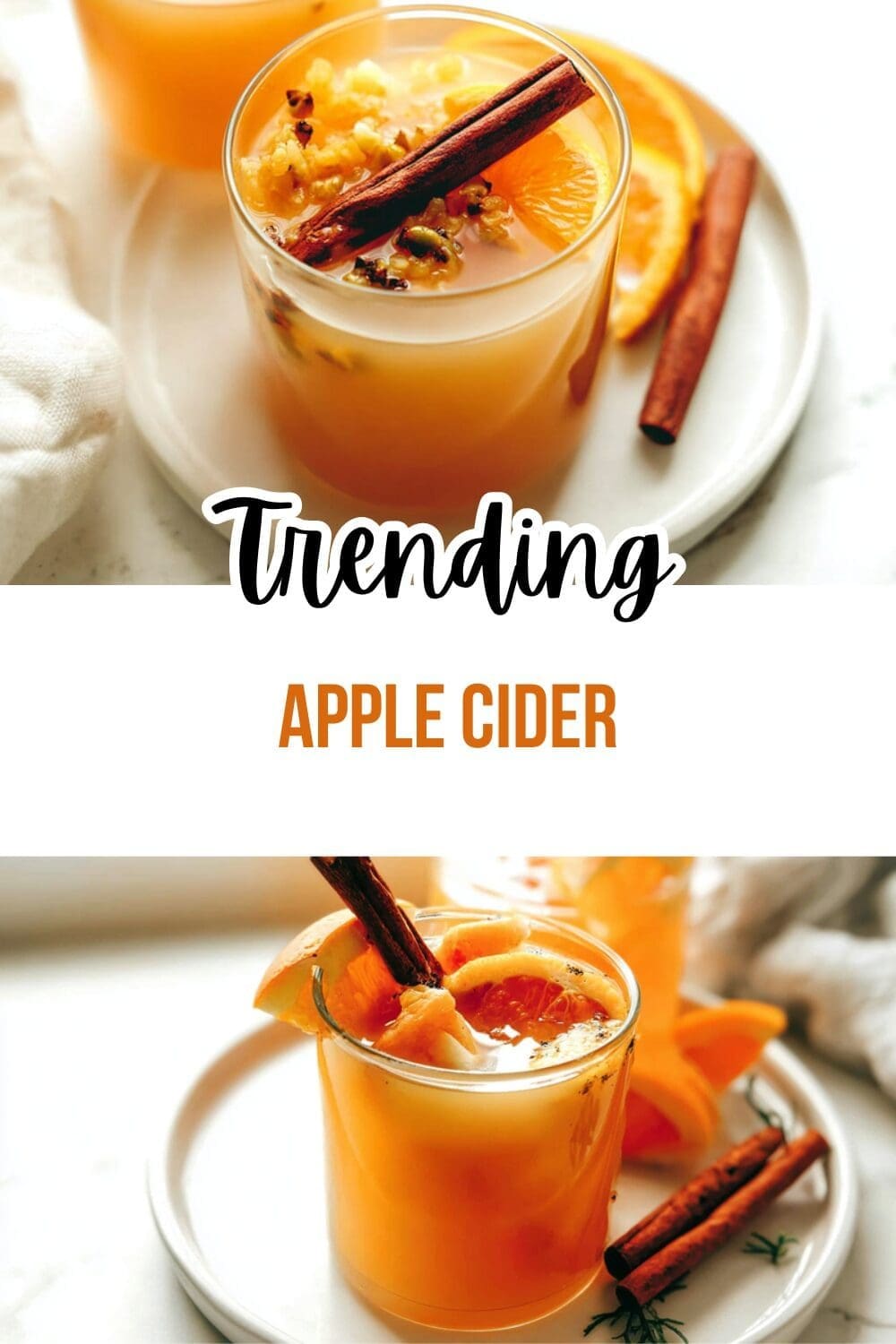
Serve your apple cider in mugs with a cinnamon stick garnish for an inviting look. This simple presentation makes apple cider feel special at any event, enhancing its appeal.
Make-Ahead Options
Prepare apple cider in advance and freeze in portions, ideal for busy schedules. For more ideas, check out make-ahead breakfast techniques that align with storing apple cider easily.
These tips integrate apple cider variations smoothly for better results.
How to Store Apple Cider: Best Practices
Refrigeration
Store apple cider in the fridge at 40°F or below for up to 5-7 days to keep it fresh.
Freezing
Freeze apple cider in airtight containers for up to 3 months, thawing in the fridge overnight for best quality.
Reheating
Reheat apple cider on the stove over low heat to preserve its flavor, avoiding boiling to maintain safety.
Meal Prep Considerations
Use batch cooking for apple cider and store in single servings for easy access. For external advice, visit this guide on fruit storage to complement your apple cider habits.
FAQs: Frequently Asked Questions About Apple Cider
What is the best way to add citrus to apple cider for balanced flavor?
Adding a slice or two of orange or lemon to apple cider helps balance the natural sweetness of the apples with a bright, tangy note. The citrus also complements warm spices like cinnamon and cloves, creating a more rounded taste. Use fresh citrus slices rather than juice to avoid overpowering the cider, and allow it to simmer with the other ingredients for at least 20 minutes to fully develop the flavor.
How can I make apple cider without a slow cooker?
If you don’t have a slow cooker, you can use a large stock pot on the stove. Combine all ingredients and bring the mixture to a simmer over medium-high heat. Once simmering, reduce the heat to low, cover, and cook for 2 to 3 hours. Stir occasionally, then mash any fruit pieces and continue cooking for another hour before straining to achieve a smooth texture.
Can I prepare apple cider in an Instant Pot?
Yes, apple cider can be made in an Instant Pot by using the sauté and slow cook functions. Start by adding your cider ingredients and using the sauté mode to warm and combine flavors. Then switch to slow cook mode for 2–3 hours. Be sure to carefully release pressure to avoid splattering. Experimentation may be needed to find precise timing and temperature suited for your Instant Pot model.
Is it better to use whole cloves or ground cloves in apple cider?
Both whole and ground cloves can be used in apple cider, but they affect the flavor release and appearance differently. Whole cloves infuse flavor more slowly and are easier to remove, making them ideal for longer cooking times. Ground cloves provide a stronger, immediate flavor but can make the cider look darker or cloudier. Use 2 teaspoons whole cloves or 1 teaspoon ground cloves for a balanced taste.
How long should apple cider be cooked to develop the best flavor?
To fully develop the rich, spiced flavors in apple cider, it should be simmered gently for at least 2 to 3 hours. Longer cooking allows the spices and fruit to meld and deepen in flavor. After the initial simmer, mashing the fruit and an additional hour of cooking helps extract more juice and aroma. Be sure to simmer on low heat to avoid burning or overly reducing the cider.

Apple Cider
🍏 Enjoy the authentic taste of fall with this Homemade Apple Cider recipe, bursting with fresh and spiced flavors.
🔥 Perfect for cozy gatherings or a warm treat, it’s easy to make and delightfully comforting.
- Total Time: 8 hours 30 minutes
- Yield: About 8 servings
Ingredients
– 10 medium apples (a mix of sweet and tart varieties recommended) for balanced flavor
– 1 orange, peeled and segmented to add a bright citrus note
– 4 cinnamon sticks or 1 tablespoon ground cinnamon for warmth and aroma
– 1 teaspoon ground cloves for a deep, spicy element
– 6 tablespoons (75g) granulated sugar (adjustable from 1/4 cup to 1/2 cup for sweetness preference) to balance tartness and control sweetness
– Water (enough to cover the fruit in the slow cooker) to extract flavors and create liquid base
Instructions
First Step: Begin by preparing your ingredients to ensure everything is ready. Quarter your 10 medium apples after discarding the cores, and peel and segment one orange to release their flavors fully. This prep takes around 20 minutes and sets the stage for a smooth apple cider process.
Second Step: Add the prepared ingredients to your slow cooker. Place the quartered apples, orange segments, your choice of 4 cinnamon sticks or 1 tablespoon ground cinnamon, 1 teaspoon ground cloves, and 6 tablespoons of granulated sugar into a 4-quart or larger slow cooker. For dietary tweaks, you can reduce sugar for a lighter apple cider option.
Third Step: Pour in enough water to completely cover the fruit in the slow cooker. This helps extract the juices and spices, creating the base of your apple cider. Adapt this for smaller batches by scaling down the water proportionally.
Fourth Step: Set your slow cooker to LOW heat and cook for 6 to 7 hours, or HIGH heat for 4 hours. This slow process allows the flavors to meld, making your apple cider rich and aromatic; monitor for desired intensity and adjust for high-altitude cooking if needed.
Fifth Step: Once cooking is done, remove the cinnamon sticks if you used them. Then, mash the softened fruit thoroughly with a sturdy spoon to release more juices, enhancing the body of your apple cider. This step is crucial for texture and can be adjusted for chunkier or smoother results based on preference.
Sixth Step: Return the cinnamon sticks to the mixture if used, then cover and cook for another hour on LOW or HIGH. This extra time helps deepen the flavors in your apple cider, and you can stir occasionally for even infusion.
Seventh Step: Slowly strain the liquid through a fine mesh strainer or cheesecloth to remove solids, and strain again if needed for clarity. This gives your apple cider a smooth finish, perfect for serving warm. For variations, try cooling techniques from other drink recipes like iced coffee for a chilled version.
Eighth Step: Serve your apple cider warm and enjoy it right away. Leftovers can be stored for 5-7 days, and remember external factors like added flavors can modify the basic apple cider recipe for different diets.
Last Step:
Please leave a rating and comment letting us know how you liked this recipe! This helps our business to thrive and continue providing free, high-quality recipes for you.Notes
🍎 Use a mix of sweet (Jazz, Gala, Fuji) and tart (Granny Smith, Braeburn) apples for balanced flavor.
🍊 The orange adds a lovely citrus balance to the spice blend.
❄️ Freeze leftover cider in ice cube trays for convenient single servings later.
- Prep Time: 20 minutes
- Cook Time: 7 hours
- Category: Beverage
- Method: Slow Cooker
- Cuisine: American
- Diet: Vegetarian, Gluten-Free
Nutrition
- Serving Size: 1 cup
- Calories: 120 kcal
- Sugar: 20 g
- Sodium: 5 mg
- Fat: 0 g
- Saturated Fat: 0 g
- Unsaturated Fat: 0 g
- Trans Fat: 0 g
- Carbohydrates: 30 g
- Fiber: 2 g
- Protein: 0 g
- Cholesterol: 0 mg


