


Mindful And Intellectual Hobbies, Quietly Becoming A Better Version Of You
Many of us know the loop well. We finish work, pick up a phone, and tell ourselves we will check one thing. An hour later, nothing has really happened, and the evening feels flat.
A quieter kind of hobby can break that loop without turning free time into another project. It does not ask you to be impressive, and it does not ask you to perform.
It simply gives your mind something interesting to do, and it leaves you with something real to talk about later.
Mindful and intellectual hobbies work in a quiet way. They help you become more curious, more articulate, and more interesting in conversation, not by forcing self improvement, but by giving you small ideas to notice, remember, and share.
You do not need talent to start, and you do not need a perfect routine. You only need a first step that fits your evening, your budget, and your energy.
Journaling is a good place to begin because it can look so many different ways. You might try gratitude journaling, bullet journaling, journal prompts, brain dumps, or deep reflections.
Bullet journaling is even described as a hobby in itself, and that makes sense once you try it. You are not writing for anyone else. You are sorting thoughts, noticing patterns, and making a little room for what matters.
If you are not sure where to start, search Pinterest for journaling ideas and try a few formats until one clicks. The right one is simply the one you actually return to.
Reading works best when you choose books that genuinely interest you, rather than books you feel you should read. Self improvement, fiction, biography, and fantasy are all fair choices, and the best book is often the one you want to pick up again.
If reading feels hard to start, audiobooks can be a gentler gateway. Podcasts and audiobooks also let you learn while you do other things, so a walk, a commute, or a quiet chore can become learning time.
You are still feeding your curiosity, just in a form that fits real life.
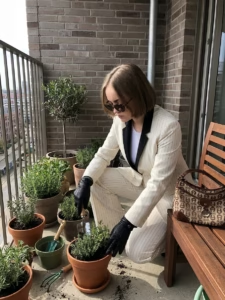
Gardening and houseplants belong in this group too, even if you are convinced you kill every plant. Plant care can be learned, and living greenery at home is rewarding in a simple daily way.
Watering a plant, noticing new growth, and learning what it needs can be calming without being demanding. Stargazing and moon watching offer a different kind of quiet. Go outside at night, look up, learn constellations, and track moon phases.
A basic telescope is optional, not required, and the habit itself is the point. It slows you down, and it reminds you how much is happening just above the roofline.
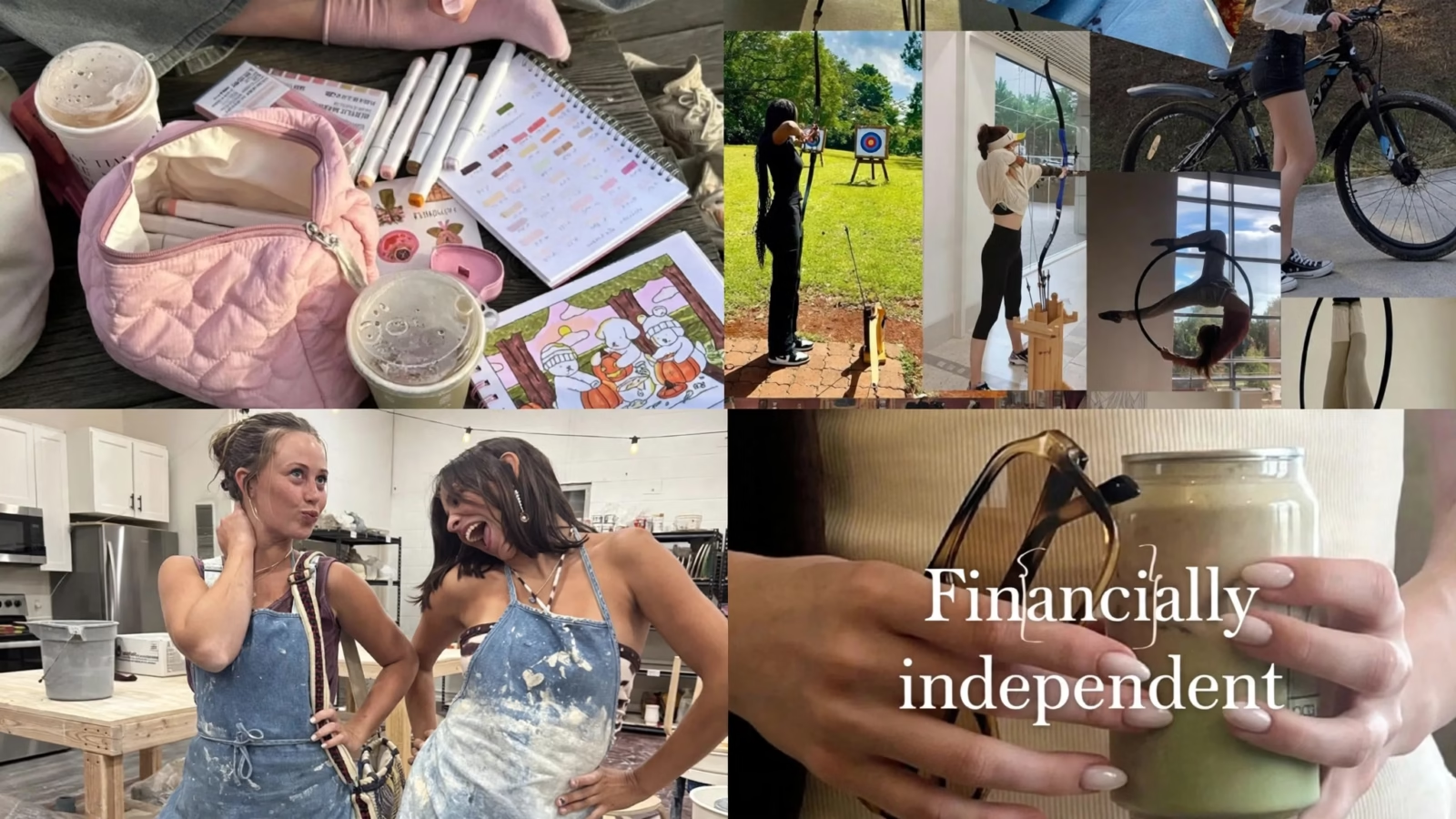
Coloring is low stakes and meditative, and it asks very little of you. You need a coloring book and markers or pencils, and that is enough for hours of relaxed time.
Bobbie Goods is mentioned as a coloring book choice, and the appeal is easy to understand. There is no grade, no deadline, and no need to share the result.
You can color for ten minutes or for a whole evening, and you can stop whenever you feel rested.
Networking may sound corporate, but here it is high leverage in a human sense. Attend events, webinars, local meet ups, and panels, and get to know people in different fields. You are not collecting contacts.
You are meeting interesting people, hearing how they think, and widening the world you can talk about. That alone can make conversation easier, because you have more stories and more questions to bring to the table.
Learning a new language is another small daily habit with a big return. Download Duolingo, pick a language, and begin. Ten minutes a day for a year is said to build genuinely conversational ability, and that promise matters less than the rhythm itself.
A little each day keeps the language alive in your mind, and it gives you a sense of progress you can feel. Online courses or certifications work in a similar way.
Choose a skill you want, or a credential that could boost your career, and treat it as a hobby rather than a chore. Learning an instrument completes the group with mind and hand coordination that is hard to match elsewhere.
The author returned to the flute from middle school, which is a reminder that an old interest can be picked up again without starting from nothing.
You do not have to be good at it to love it.
Jump to:
Social Hobbies, Because We’re Wired For Connection
Social connection is a core human need, even and especially for introverts. That does not mean you need a crowded calendar or a loud room.
It means small, regular contact can change how connected you feel, and hobbies are a natural way to create that contact. When an activity already gives you something in common, conversation feels easier, and friendship has a place to grow.
Workout classes are a strong starting point because everyone there already shares your interest in that movement. You do not have to explain why you showed up.
You can chat before or after class, and a simple smoothie afterward with someone you spoke to can turn into a friendship. Book clubs work in a similar way, and they can be local or virtual.
They combine reading with social time, so you get both the quiet pleasure of a book and the energy of talking about it with other people.
Crafting workshops are often held by craft stores and by independent studios in most cities, and an afternoon there can teach you candle making, pottery, or floral arranging.
You leave with a new skill, and you may also leave with a new friend, because making something beside strangers makes talking feel natural. Recreational sports leagues offer the same low pressure welcome. They are widely available, and they do not require skill.
Adult kickball leagues do not check ability, and someone who has not played football since age nine can simply go play. The point is movement, laughter, and showing up, not winning.
Volunteering gives social time a deeper grounding. Neighborhood clean ups, environmental groups, food banks, animal shelters, and mentorship programs all welcome time and care, and giving time to something bigger can steady your week. Farmers markets offer a lighter version of the same feeling.
They are communal, local, lively, and sunny, full of small interactions with strangers and beautiful produce. A Saturday morning there can feel like a small celebration, even if you only buy a few things and chat for a minute or two.
Hosting is where many people discover they can shape their own social life. Themed dinners, game nights, garden parties, and casual brunches all work, and most people like being invited, so being the friend who initiates can transform your social life.
If you plan a fall themed dinner, best fall cookies to make at home can add a simple sweet finish that guests remember. A pen pal offers a slower kind of connection.
Write real letters to a friend in another city and mail them, with monthly care packages as an option. It feels romantic and slightly old fashioned, and it is more meaningful than texting because it takes time and thought.
Recurring plans are the habit that holds all of this together. A weekly walk, a monthly book club, or a standing dinner on the first Sunday of each month actually happens, unlike one off plans to grab dinner sometime.
Put it on the calendar, keep it simple, and let repetition do the work.
If you feel overwhelmed, choose the version that fits your energy that week. A low energy week might suit a book club chat or a farmers market stroll. A higher energy week might suit a workout class or a hosting night. Either choice counts, because the goal is connection, not a perfect social life.
Just Pick One
Fifty options can feel like a lot, and that is exactly why this list is meant to free you rather than add another task to a never ending to do list.
You do not need to try everything, and you do not need to choose perfectly. You only need to notice which hobby sparked interest while you were reading, and trust that spark enough to act on it.
The version of you with interesting dinner party conversation is only a few small decisions away, and those decisions do not have to be dramatic.
Pick just one hobby, and before the day ends, take one small step toward it. Order watercolors, sign up for a pottery class, download Duolingo, buy a coloring book, or text a friend to set up a standing monthly dinner.
Acting today matters because momentum fades, and a tiny step keeps the idea alive. If a home project is the one that sparks you, board and batten wall decor ideas can help you picture a simple first project without turning it into a major renovation.
Hobbies are a way to stop just existing and start actually living. They give your week texture, your mind something to chew on, and your conversations something real to draw from.
You do not have to be good at a hobby to love it, and you do not have to finish a long list to feel the change. Start small, start today, and let one good choice lead to the next.


