

Pickled Jalapenos Canning Recipe
Every September my kitchen counter disappears under bowls of jalapeños, and this is the recipe I reach for first. Fresh, firm peppers get sliced into rings, packed into jars, covered with a tangy vinegar brine, and processed in a water bath canner.

The result is shelf stable jars of spicy, crisp slices that keep the garden going long after the vines are pulled.
I do not stop at pickling. The same harvest goes into tomato jalapeño salsa, salsa verde, roasted green chile enchilada sauce, and bags of frozen peppers for winter fajitas and chili.
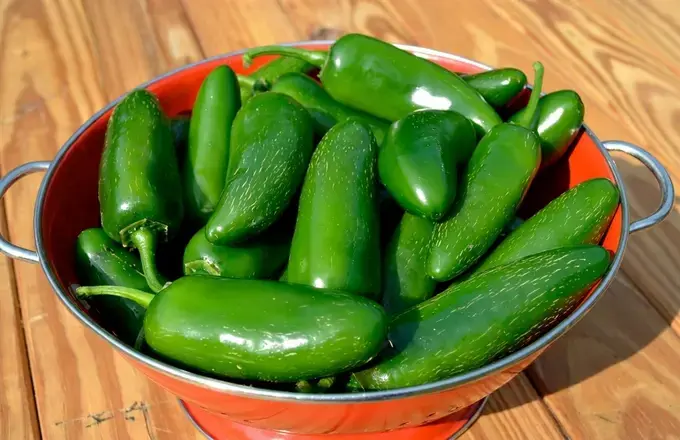
Once a jar is open, the slices go on nachos, taco salads, sandwiches, and deviled eggs. Do not pour out the brine either. It makes a sharp salad dressing, a quick marinade, or a bright drizzle over roasted vegetables.
Jump to:
- Pickled Jalapenos Canning Recipe
- Ingredient Overview for Pickled Jalapeños
- Jalapeño Peppers
- Vinegar (5% Acidity)
- Water
- Garlic
- Safe Changes for This Pickled Jalapeños Recipe
- Safe Adjustments for Flavor
- Jar Size Options
- Changes That Are Not Safe
- Steps for Canning Pickled Jalapeños
- Home Canning Checklists
- Step 1: Prepare the Canning Equipment
- Step 2: Prepare the Hot Peppers
- Step 3: Make the Pickling Brine
- Step 4: Fill the Jars
- Step 5: Process in a Water Bath Canner
- Step 6: Cool and Store
- Ways to Enjoy Pickled Jalapeños
- Preserve the Heat for Months to Come
Ingredient Overview for Pickled Jalapeños
The recipe relies on only a handful of ingredients, and each one earns its place.
Jalapeño Peppers
Choose fresh, firm jalapeños with smooth, glossy skin and no soft spots or blemishes. Green peppers are milder with a grassy flavor, while red ones are riper, slightly sweeter, and usually hotter.
Either color works, and a mix gives you jars that look as good as they taste. For the best quality, can the peppers within about a day of harvesting.
Vinegar (5% Acidity)
Vinegar supplies the acidity that makes pickled peppers safe to store on a shelf. Use a commercial vinegar clearly labeled 5% acidity, such as white distilled or apple cider vinegar.
White vinegar gives the sharper, classic pickle flavor most people expect, while apple cider vinegar adds a mild fruitiness and a darker color. Both are safe as long as the acidity stays at 5%.
Water
Water tempers the sharp bite of the vinegar, but the tested vinegar to water ratio must be followed for safety. Adding more water or cutting back on the vinegar lowers the acidity and makes the recipe unsafe for shelf stable storage.
Garlic
Garlic adds a subtle background note. The cloves are crushed and simmered in the pickling liquid, then removed before the jars are filled, so the garlic flavor stays mild and never overwhelms the peppers.
Safe Changes for This Pickled Jalapeños Recipe
This recipe is based on a tested canning formula, so the ratios and the processing instructions should be followed as written. A few small flavor tweaks are still safe.
Safe Adjustments for Flavor
These small changes will not affect safety.
- Swap in other peppers, such as serrano or banana peppers, as long as the total pepper weight stays the same.
- Add a little pickling or canning salt to each jar. The base recipe contains none.
- Stir a small amount of sugar or honey into the brine to mellow the heat. It will not make the peppers less spicy.
- Drop small amounts of dried pickling spices, such as cumin seeds, oregano, or black peppercorns, into each jar.
Jar Size Options
The recipe is written for half pint jars, but pint jars, the size used in the original Ball Blue Book version, are also safe. Processing time stays the same for both. Even smaller 4 ounce jars work when you keep the proper headspace and run the full processing time. Quart jars are not part of the tested recipe.
Changes That Are Not Safe
To keep the jars safe for water bath canning, do not reduce the vinegar, do not increase the water, and do not add low acid vegetables such as onions, carrots, or extra peppers beyond the tested amount. Never skip the boiling water bath. That step is what makes the jars shelf stable.
Steps for Canning Pickled Jalapeños
Pickled jalapeños come together in a simple sequence. Slice the peppers, pack them into jars, cover them with hot vinegar brine, and process the jars in a water bath canner.
This version adapts the Ball Blue Book “Hot Peppers” formula to a small batch of 5 half pint jars while keeping the proportions the same for safety. Harvested peppers are best preserved within about a day.
Before you start, heat the jars to prevent thermal shock breakage. Stand them upright on the rack in the canner, cover with water, simmer at 180°F for 10 minutes, and keep them hot until filling.
Wear gloves, remove the stems, and cut the peppers into slices or rings about 1 inch wide. To make the brine, combine vinegar, water, and crushed garlic in a large saucepot, bring it to a boil, then simmer at 180°F for 5 minutes. Discard the garlic and fill the jars.
If you run short of brine while topping off the jars, mix a backup batch of 1 1/2 cups 5% acidity vinegar and 1/2 cup water, bring it to a simmer, and use it to reach 1/2 inch headspace.
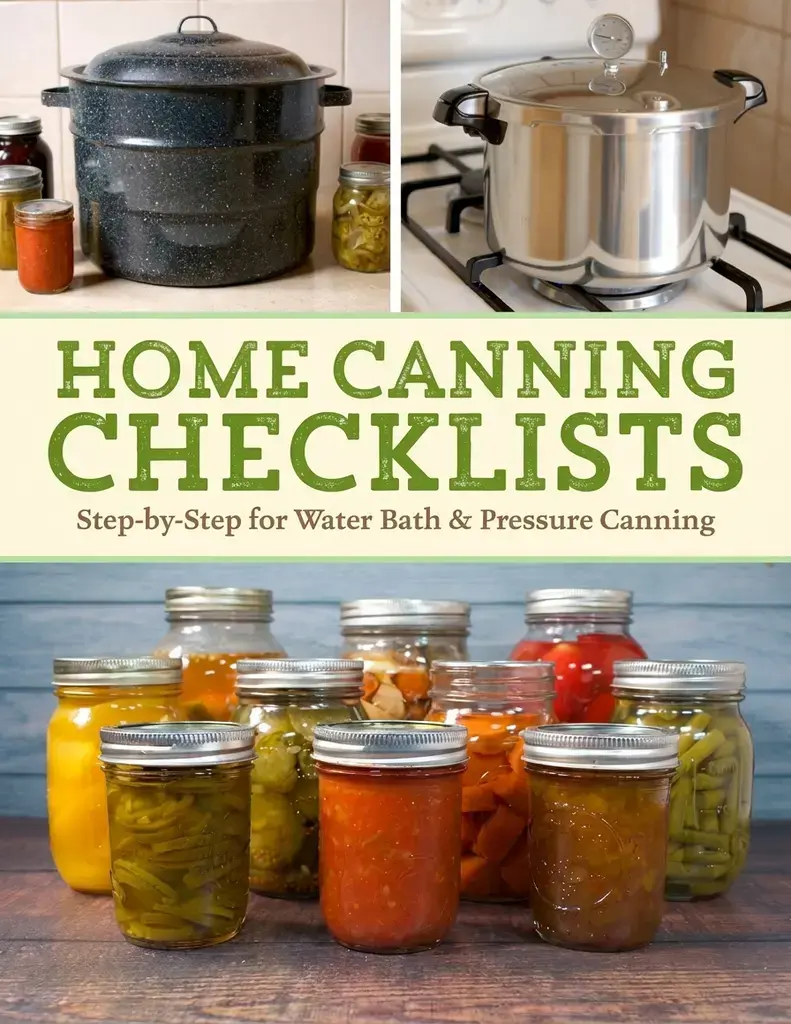
Once the filled jars are back in the canner, the water must cover them by at least 2 inches. Cover the pot and bring it to a full rolling boil, then process for 10 minutes at altitudes below 1,000 feet, adding time at higher elevations.
When the time is up, turn off the heat, tilt the lid away from you, and let the canner rest about 5 minutes before lifting out the jars.
Cool them undisturbed for 12 to 24 hours, then check the seals after at least 12 hours by pressing the center of each lid. It should not flex or pop.
Wash the sealed jars, label and date them, and store them in a cool, dark place. Use them within 12 to 18 months for the best quality.
Home Canning Checklists
The full printable recipe sits at the bottom of the article. The steps below walk through the whole process, from equipment to storage.
Step 1: Prepare the Canning Equipment
Gather everything before the peppers are sliced. You need a water bath canner with a rack, 5 half pint jars, new lids with reusable bands, and tools such as a jar lifter, funnel, bubble popper, canning ladle, kitchen scale, and food prep gloves.
Keep a large saucepot, a large prep bowl, a small pot, kitchen towels, a knife, and a cutting board within reach.
Wash the jars, lids, and tools in warm soapy water, rinse them well, and set aside any jar with a crack or chip. A damaged jar can break when heated.
To prevent thermal shock, stand the jars upright on the rack in the canner, cover them with water, and simmer at 180°F for 10 minutes. Keep them hot until you are ready to fill them.
Step 2: Prepare the Hot Peppers
Weigh the peppers, rinse them thoroughly under clean running water, and let them air dry on a clean kitchen towel.
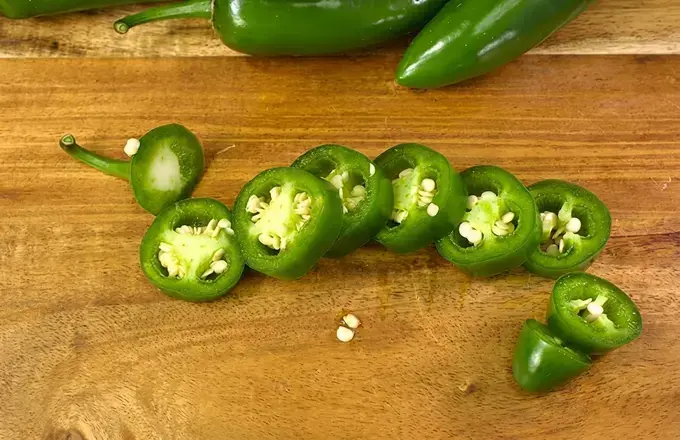
Put on gloves to protect your skin, remove the stems, and slice the peppers into rings about 1 inch wide. Set them aside.
Step 3: Make the Pickling Brine
In a large saucepot, combine the vinegar, water, and crushed garlic.
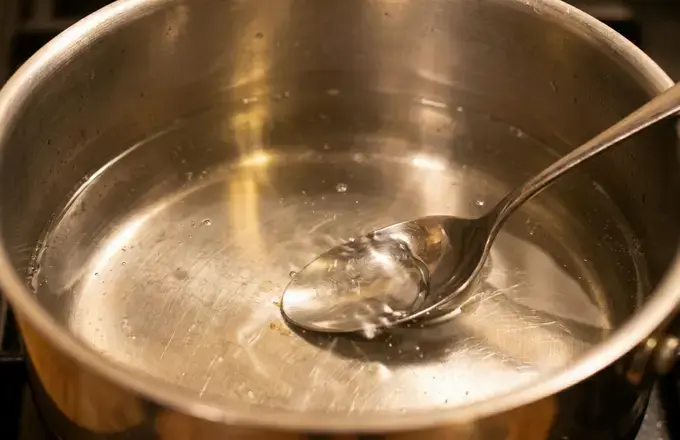
Bring the mixture to a boil, lower the heat, and simmer at 180°F for 5 minutes. Discard the garlic, then move on to filling the jars.
Step 4: Fill the Jars
Spread a dry towel on the counter. Take one hot jar from the canner, drain it, and set it on the towel while the other jars stay in the canner to remain warm.
Using tongs or gloves, pack the jalapeño slices into the warm jar, then ladle the hot brine over them. Release trapped air with a bubble popper, wipe the rim with a damp towel, center a lid, and tighten the band to fingertip tight. Return the jar to the canner and repeat with the rest.
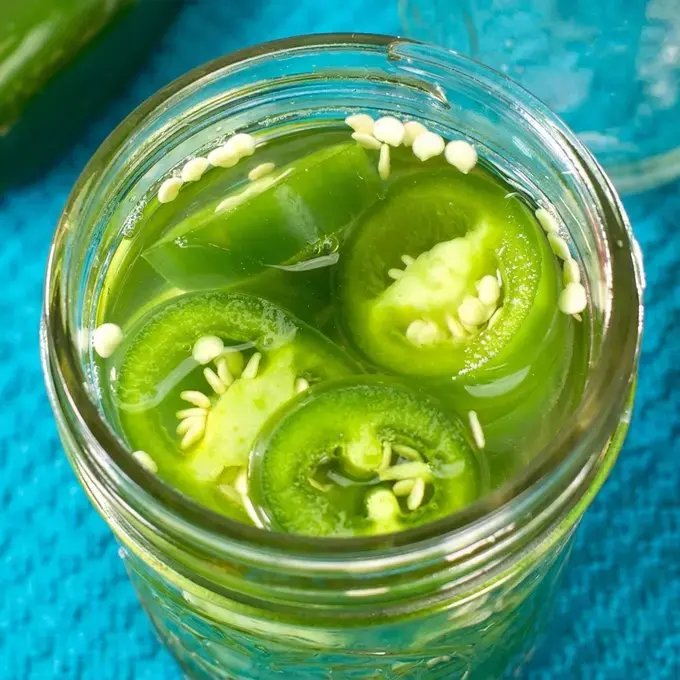
If the brine runs short, mix a backup batch of 1 1/2 cups 5% acidity vinegar and 1/2 cup water, simmer it, and use it to top off the jars. Keep 1/2 inch headspace.
Step 5: Process in a Water Bath Canner
With all the filled jars back in the canner, check that the water covers them by at least 2 inches. Put the lid on and bring the water to a full rolling boil. Start timing once the boil is steady, then process the jars for 10 minutes at altitudes below 1,000 feet, adding time for higher elevations.
Step 6: Cool and Store
When the processing time is up, turn off the heat and remove the canner lid carefully, tilting it away from you to avoid the steam. Let the canner sit for about 5 minutes.
Lift the jars straight up with a jar lifter and set them on a dry towel, spacing them apart. Keep them upright and leave the lids and bands alone.
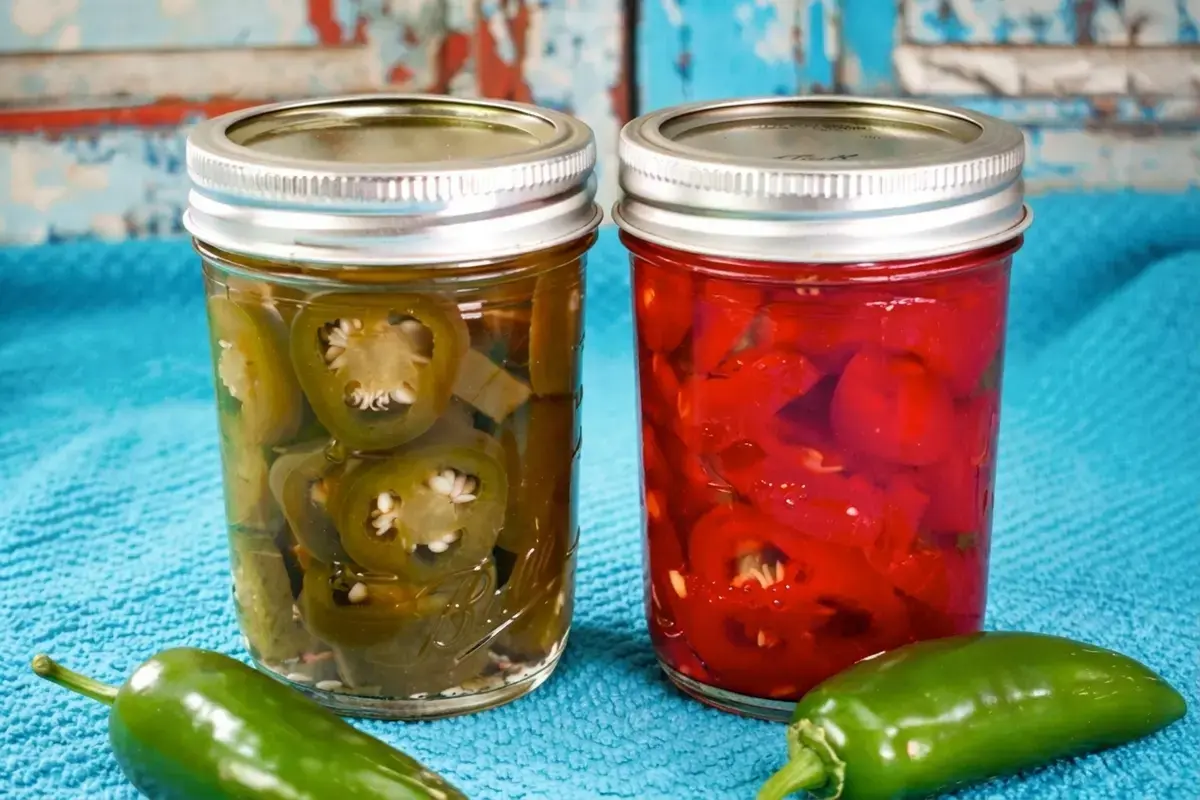
Cool the jars undisturbed for 12 to 24 hours. After at least 12 hours, press the center of each lid to check the seal. It should not flex or pop. Wash the sealed jars, label and date them, and store them in a cool, dark place. Use them within 12 to 18 months for the best quality.
The pickled jalapeños can be eaten right away, but letting the jars rest 3 to 4 weeks gives the best balance of heat and tang.
Ways to Enjoy Pickled Jalapeños
Homemade pickled jalapeños bring heat and tang to almost anything on the table. Here are the ways they disappear fastest in my house.
- Pile them on nachos, quesadillas, and tacos.
- Add them to sandwiches and burgers for crunch.
- Chop them into deviled eggs or potato salad.
- Stir them into salsas and dips.
- Top pizzas or flatbreads with slices before baking.
Save the brine too. It works in salad dressings and marinades, and it is excellent for seasoning roasted vegetables.
Preserve the Heat for Months to Come
Pickled jalapeños are one of the easiest ways to hold on to a fresh pepper harvest. The method asks for only a few ingredients and a basic water bath canning setup, so once you have walked through the process a time or two, you can repeat it whenever the plants are producing.
The recipe works with green jalapeños, ripe red jalapeños, and other hot pepper varieties. If your garden keeps going, these related recipes are worth a look: Pickled Bell Peppers Canning Recipe, Candied Jalapenos (Cowboy Candy), and Marinated Roasted Red Peppers. New canners can start with a Water Bath Canning for Beginners guide before the first batch.
Fill your jars with firm, fresh peppers, keep the tested vinegar ratio, and process for the full time. Those three habits are what make a pantry shelf full of safe, spicy jars possible.